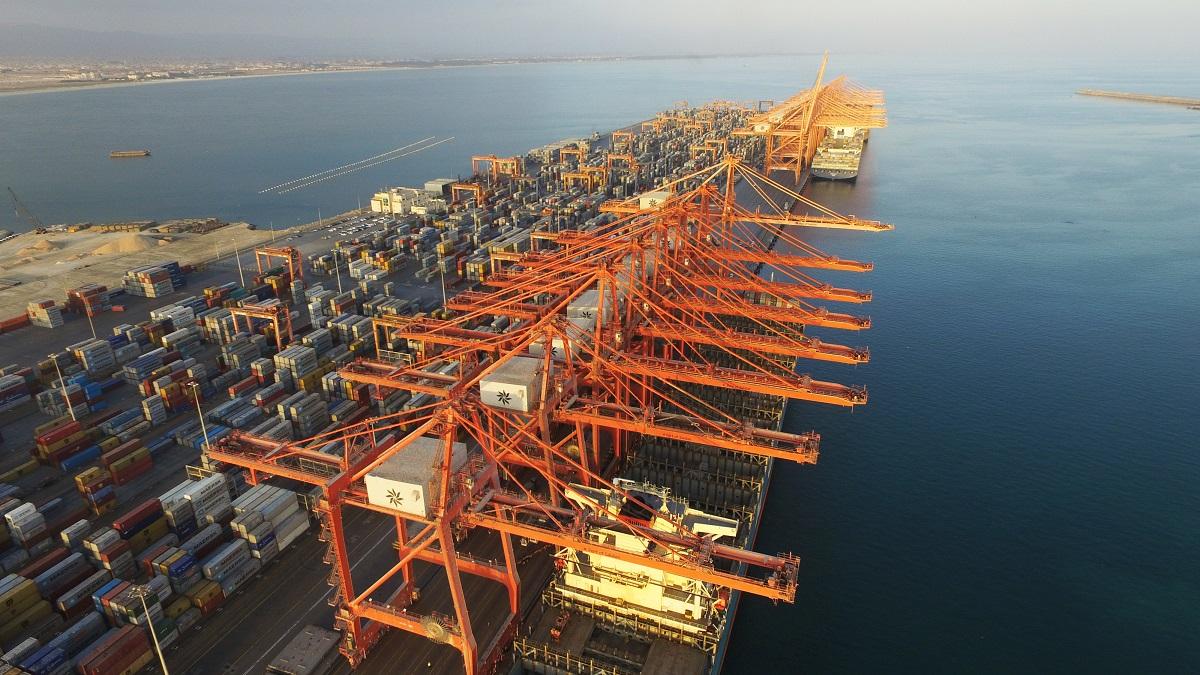
Iran’s exports to Oman rose 23 percent in the first half of the Iranian calendar year (March 21–September 21), climbing from $948 million to $1.164 billion, according to Abdolamir Rabihavi, director general of the West Asia and Africa Office at the Iran Trade Promotion Organization (TPO).
The gain stands out as regional developments have weighed on Iran’s trade with several Persian Gulf states. Rabihavi said Oman, despite its Persian Gulf location, was less affected, helping keep Iran’s trade trend with some West Asian countries positive. “Despite the conditions prevailing in West Asia, Iran’s trade trend with some countries in the area, including Oman, has remained positive,” he said, citing first-half export data.
Rabihavi also pointed to improved trade logistics. Although problems persist on southern water routes, some land-route restrictions have been lifted, allowing greater use of border capacity. He expressed hope that continued export momentum in the second half would further expand Iran’s trade with regional countries.
Institutional groundwork is advancing. In late August, Rabihavi said a preferential trade agreement with Oman had been finalized after administrative procedures and submitted to Parliament for final review. In an interview with IRNA, he cited progress in trade diplomacy and border and port infrastructure under the 14th administration, saying the TPO aims to facilitate and increase exchanges with regional countries.
Customs cooperation is also deepening. In late June, on the sidelines of the World Customs Organization summit, Iranian and Omani customs chiefs stressed implementation of their mutual administrative assistance agreement and proposed a joint committee. Foroud Asgari, deputy economy minister and head of Iran’s Customs Administration, and Said bin Khamis al-Ghaithi, head of Oman’s Royal Customs, discussed expanding cooperation under the signed pact. Topics included study visits to customs offices and destination and origin ports, periodic meetings between customs administrations, exchange of experience in combating smuggling and customs violations, and continuous joint meetings to ease trade. Iran also proposed joint training meetings, citing the WCO Regional Training Center at Iran’s Customs Administration.
The political track has reinforced commercial ties. During President Masoud Pezeshkian’s official two-day visit to Muscat in May 2025, Iran and Oman signed 18 memorandums of understanding covering legal, economic, political, cultural, educational, health, defense, media, technology, energy and mining sectors. Officials also unveiled a commemorative joint postage stamp.
Pezeshkian arrived May 27 at the invitation of Sultan Haitham bin Tariq. After a formal welcome at Muscat International Airport, he met the Sultan, followed by a joint session of high-ranking delegations. Pezeshkian said Iran was ready to boost cooperation in all fields, adding that both countries have capacities that can serve their own progress and that of other regional nations. “We are ready to do whatever is within our capability for the dignity and greatness of Muslims,” he said. Sultan Haitham welcomed closer ties, saying that if business avenues open, the two countries “will witness a significant leap” in bilateral relations. He called for developing Iranian-Omani port links and said rail capacity from northern to southern Iran is of great commercial importance, while seeking more support for energy cooperation.
For Tehran and Muscat, the export surge is more than a statistic. It reflects sustained trade diplomacy, infrastructure work and institutional cooperation—and, officials hope, a foundation for deeper economic integration. With political will on both sides, the relationship appears well placed to turn current gains into a lasting commercial partnership.