
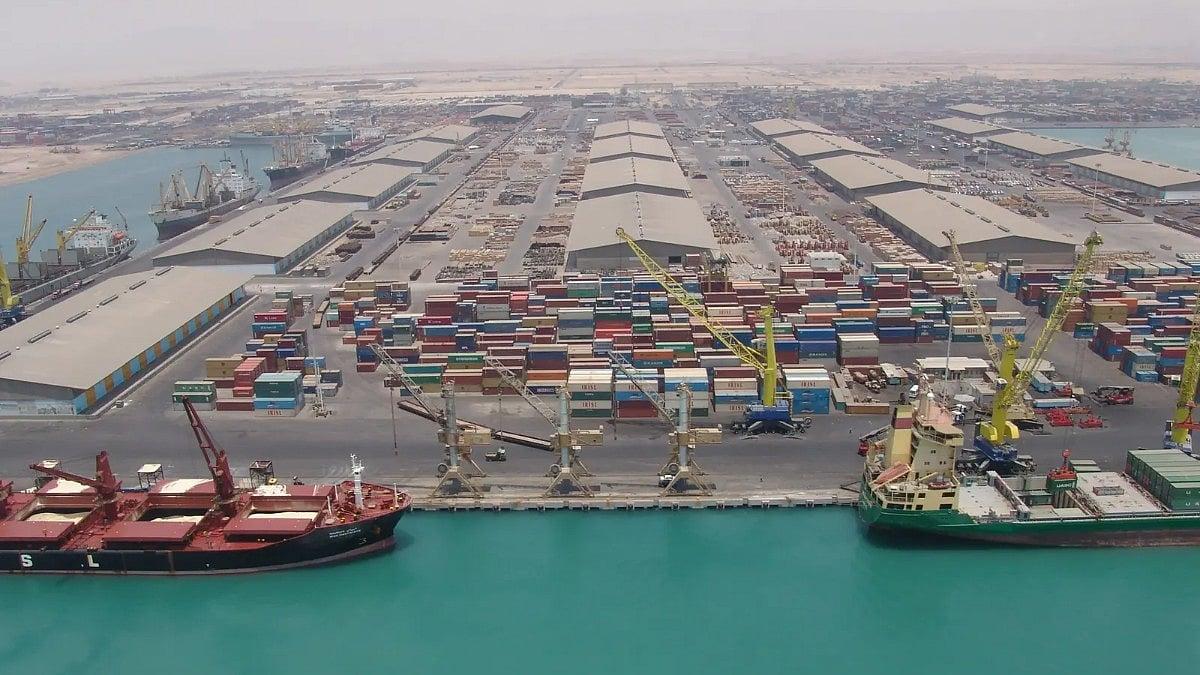
Iran’s foreign trade has partly withstood blockade pressure through new infrastructure and corridors, a senior Trade Promotion Organization official says, but he argues that deeper policy failures remain unresolved.
Amir Roshanbakhsh, deputy for international business promotion, said transport and goods movement are now the main challenge, worsened by the siege. Last year about 75% of Iran’s goods trade passed through the Sea of Oman and Persian Gulf; initial forecasts warned the siege could wipe out that capacity entirely, yet first-half figures contradict that worst case.
Cooperation across sectors and new corridors preserved part of trade capacity and kept activity going, he said. However, Roshanbakhsh stressed that current trade problems are not only crisis-driven. They stem from policymaking and economic governance—issues present in normal times and now more visible. He also underlined the role of economic associations as the private sector’s voice.
The century-old Iran Chamber, he said, can act as intermediary between government and business, strengthening private-sector participation in decision-making and regulation while reducing harmful state intervention. Existing laws, he added, give associations sufficient capacity if the Chamber plays a stronger advisory role.