
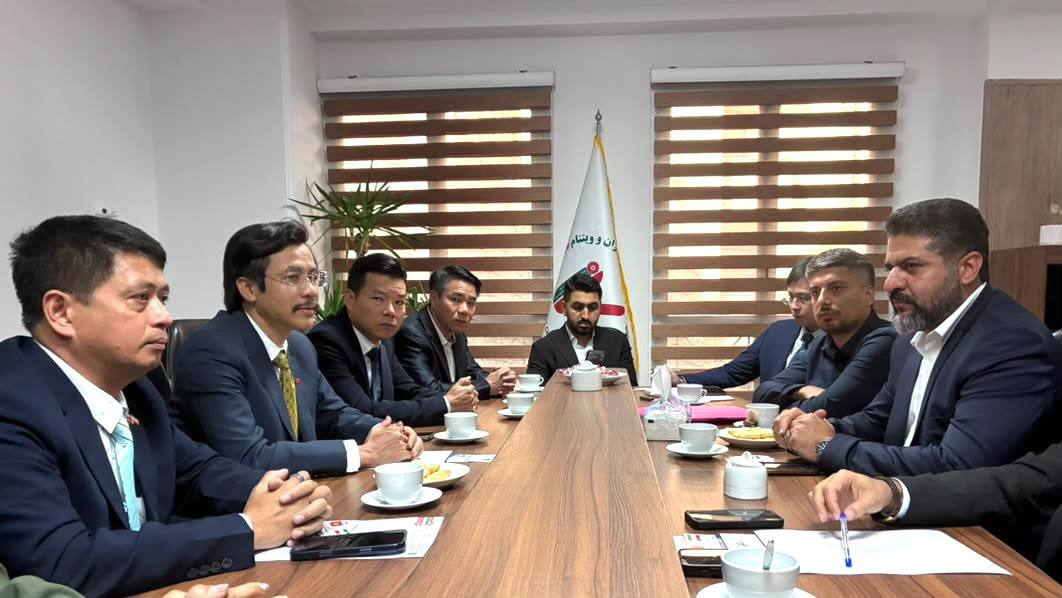
The Iran–Vietnam Joint Chamber of Commerce took the lead in shaping bilateral economic ties on October 17, hosting a high-level meeting at its Tehran headquarters between Vietnamese Ambassador Nguyen Luong Ngoc and Chamber President Seyed Mostafa Mousavi. The Chamber brought together the visiting Vietnamese trade delegation and representatives of Iranian business associations and enterprises, turning its headquarters into a working venue for concrete trade and investment discussions.
In hosting the meeting, Mousavi placed the Chamber at the center of efforts to expand cooperation in agriculture, industry, oil and gas, logistics and tourism. He emphasized the importance of strengthening business ties, promoting investment opportunities and facilitating exchanges of business delegations—areas in which the Chamber sees itself as the natural coordinator. The Chamber’s role was not ceremonial: it convened the relevant private-sector players and framed the agenda around sectors where Iranian and Vietnamese firms can move quickly.
Ambassador Ngoc underscored the need to enhance market information exchange, connect reliable business partners and address international payments and goods transportation. He stressed translating cooperation proposals into concrete and practical initiatives, and reaffirmed the Embassy’s commitment to working closely with the Chamber, business associations and enterprises from both countries to promote substantive, effective and mutually beneficial cooperation.
The meeting capped a Vietnamese trade delegation’s visit to Iran from October 6 to 18, led by Nguyen Dang Dinh, aimed at expanding Vietnam’s commercial reach in the Middle East and engaging Iran’s market directly. The Chamber’s hosting provided a platform for the delegation’s findings to meet Iranian business representatives.
In Bandar Abbas, the delegation assessed Shahid Rajaee Port, including container operations, bonded storage and possible land leasing for agricultural commodities and re-export goods. It visited Petro Pasargad’s bitumen refinery and obtained samples of 60/70 penetration-grade bitumen exported to Vietnam. In Shiraz, it attended Expo Shiraz International Exhibition and explored agriculture, petrochemicals, construction, tourism, healthcare and handicrafts. In Tehran, it met Petro Pasargad’s CEO and signed an MoU on bitumen cooperation; the company produces about 300–400 tons per day and currently offers products mainly FOB due to port and export difficulties. The delegation also visited the MED 26/Iran Med 2026 medical equipment exhibition and met Ohad Group, a manufacturer of oxygen generators and ventilators used in about 80% of Iranian hospitals, to discuss a possible joint-venture manufacturing facility in Vietnam with phased technology transfer. On October 16, DHT Mining Joint Stock Company and Petro Pasargad Hormozgan Company signed an MoU covering provision and distribution of POH-origin bitumen in Vietnam.
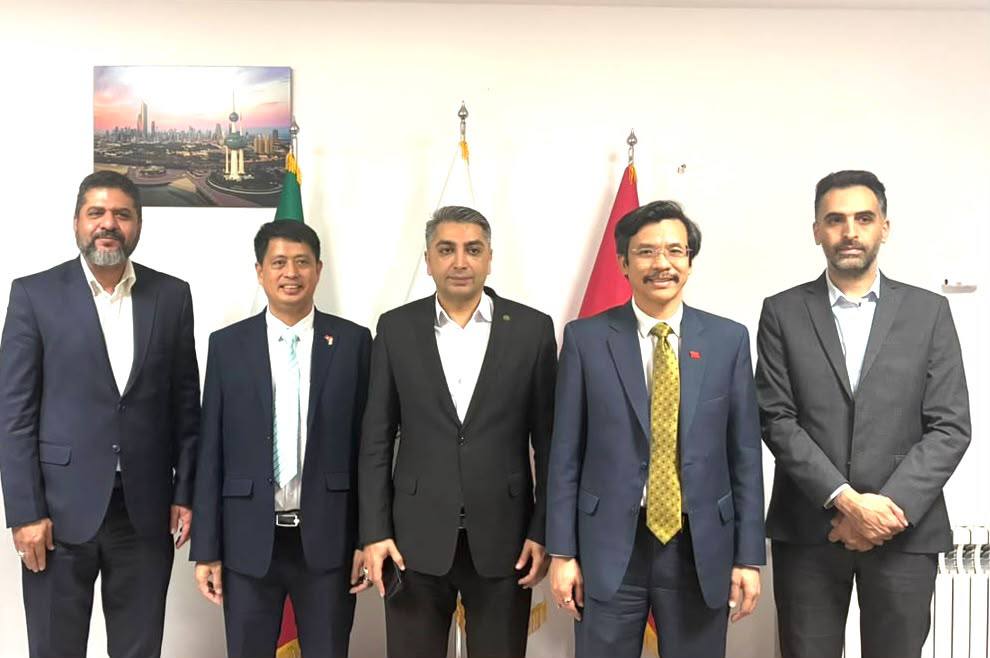
Dinh identified banking restrictions as the main operational concern and called for flexible settlement frameworks such as bilateral barter trade or compliant local-currency clearing. Official Vietnam–Iran trade is around $170 million, but the delegation argues actual potential is significantly higher because the economies are complementary. Priority sectors include agriculture and food processing; industrial raw materials such as specialty chemicals, construction supplies and polymers; and healthcare and pharmaceuticals. Bottlenecks include long transit times, high freight costs and differing quality-compliance frameworks such as Halal certification. The delegation recommended direct links with regional logistics providers and mutual recognition between regulators.
Vietnam’s 17 free trade agreements and access to 60 economies offer a platform for joint ventures or Vietnam-based production.
With the Chamber as host and follow-up coordinator, the next step is to clarify commercial terms, logistics and cooperation mechanisms while assessing legal, financial and technological feasibility.