
As Western sanctions continue to complicate Iran's global trade, Tehran is widening a different economic corridor—one running north through the Caucasus into Russia and the Eurasian Economic Union.
In this regard, Mohammad Ali Dehghan Dehnavi, head of Iran's Trade Promotion Organization (TPO), used a press conference ahead of the 30th National Export Day to outline both progress and persistent bottlenecks.
The ceremony, set for October 21 to honor national exemplary exporters, provided the backdrop for a broader message: Iran's trade with the EAEU is no longer theoretical. Since April 2025, a free trade agreement with the five-member bloc has been in force. Tariffs on 87 percent of goods have been cut to zero. For those products, Dehghan Dehnavi said, the tariff wall has effectively disappeared.
That matters because Iran's overall exports have not been immune to external pressures. The TPO chief acknowledged that total exports have faced "somewhat negative growth" due to recent problems. Yet trade with the EAEU has performed positively—evidence, he argued, that the market can absorb more Iranian goods if remaining obstacles are addressed.
The biggest obstacles are no longer mainly tariffs. They are non-tariff barriers: payment systems, foreign-currency transfers, banking restrictions, standards and customs. On payments, Dehghan Dehnavi offered a qualified but upbeat assessment. Financial communication and money transfers using national currencies are now possible with Russia, he said. Conditions are not normal, and sanctions still deter full cooperation from banks on the other side. But compared with many other countries, the financial channel with Russia is workable—and it is not the main concern in Iran-EAEU relations.
Banking falls largely to the Central Bank, which he said has taken good steps toward alternatives to conventional mechanisms. The TPO's focus is on trade negotiations, where it continues to press for relief from non-tariff barriers.
Standards and customs remain stubborn. Iran's National Standards Organization and Customs Administration are working to reduce frictions, Dehghan Dehnavi said. A joint Iran-EAEU committee is expected to meet soon. The EAEU trade minister is due in Iran in the coming days, with the Iranian side chaired by the minister of industry, mine and trade and the EAEU side by its trade minister. Expert talks were to begin tomorrow, followed by higher-level negotiations aimed at cutting non-tariff barriers and boosting exports.
The broader strategic picture was laid out earlier this month at the first Iran-Russia Trade Development Summit in the Anzali Free Zone, focused on Gilan and Astrakhan provinces. There, Dehghan Dehnavi noted that Russia imports about $300 billion annually, while Iran's share remains negligible. Studies suggest more than $50 billion of Russian imports overlap with goods Iran can export. If activated, he said, Iranian exports to Russia could rise from the current $1–2 billion to $10–20 billion.
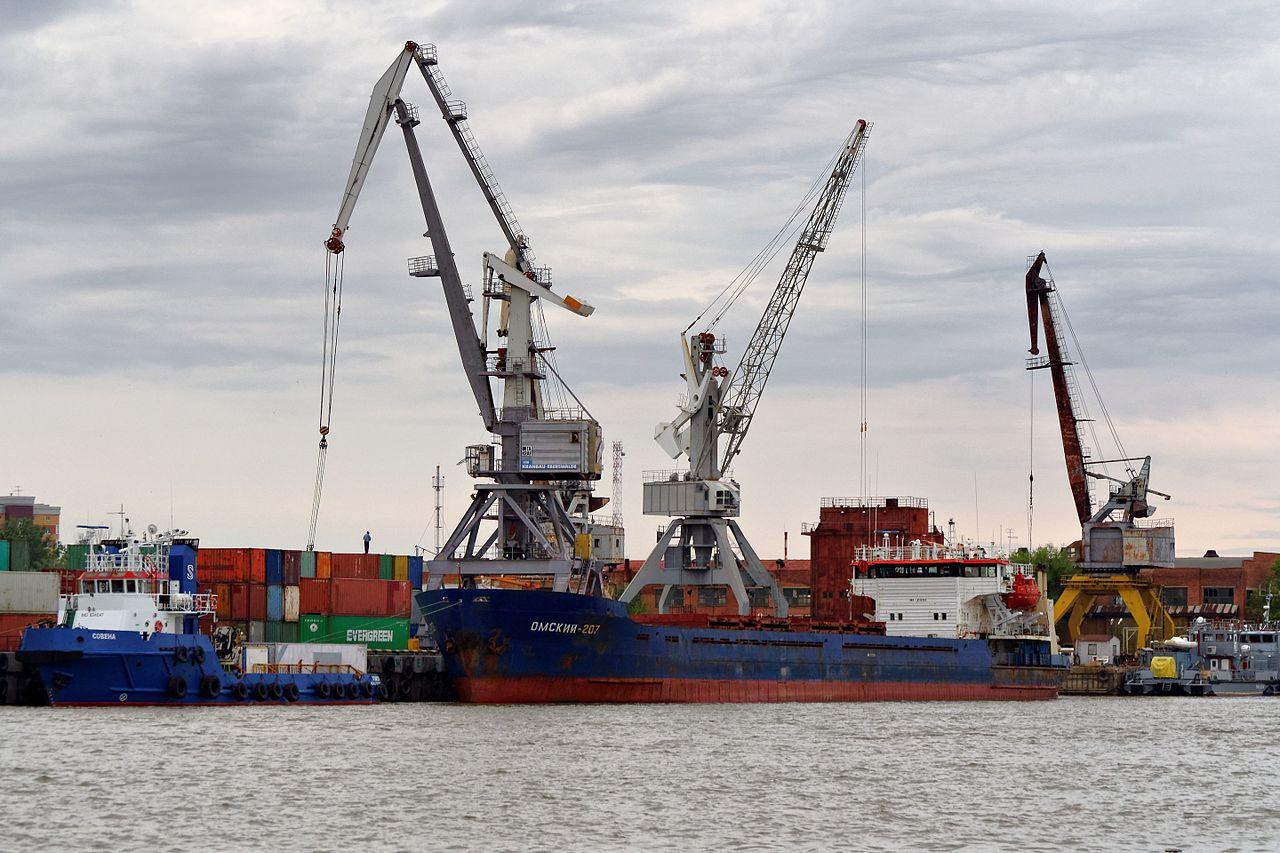
Gilan, in this vision, is more than a producer. It is a logistical gateway. The province connects to Russia, Kazakhstan, Azerbaijan and Turkmenistan by sea, while land and rail routes add capacity. Part of a rail project is still being completed, but rail links at the border are already in place. Goods arriving from China via Kazakhstan and Aktau reach Anzali and are distributed across Iran. To turn geography into sustained trade, infrastructure must be completed and the private sector given new roles, Dehghan Dehnavi said.
He also stressed the value of trade delegations, negotiations and follow-up contracts. Long-standing ties between Gilan and Astrakhan, he argued, should move beyond simple trade into joint investment.
Not all obstacles are external. Dehghan Dehnavi acknowledged internal problems: overlapping laws and regulations, unstable rules and administrative bureaucracy. The government, he said, is trying to ease what it can control.
An export support package has been drafted and presented to the government, with incentives expected next week. Trade regulations are being prepared in the Government Economic Committee with the Central Bank and the ministries of economic affairs and finance. One proposal would reform order registration, returning it to its original function as a declaration of a trade plan and shifting controls to customs clearance.
The message is clear: sanctions have not closed every door. Through tariff cuts, national-currency payments and gateways such as Gilan and Astrakhan, Iran hopes Russia and the EAEU will become a durable trade partner.