
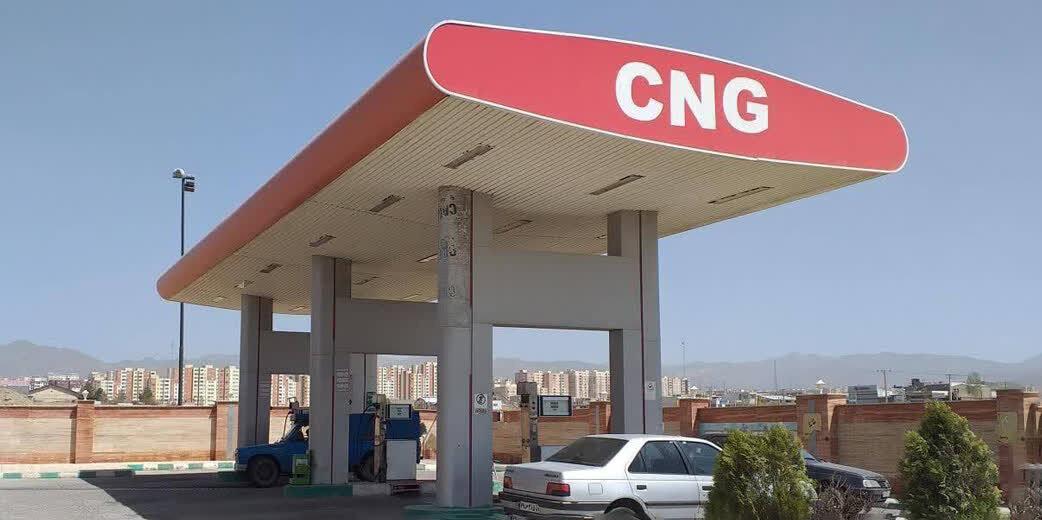
Iran’s tiered gasoline pricing is reshaping fuel habits, with compressed natural gas (CNG) consumption up about 12%, the National Iranian Oil Refining and Distribution Company says. Gasoline use fell roughly 3% year-on-year, suggesting gradual reform can steer consumers toward alternatives, especially public transport and ride-hailing fleets.
CEO Mohammad Sadeq Azimifar said the policy is being rolled out in phases, with feedback used to correct flaws before wider expansion. About 40% of national gasoline consumption still relies on station emergency cards—a practice he said lacks transparency and can disempower drivers. Pilot programs, including identifiers for emergency cards, aim to make fueling easier and traceable while considering consumer satisfaction.
He also said diesel consumption dropped 6% compared with 2024, helping Iran shift from importer to exporter. The measures target fuel smuggling and diversion, which officials say is concentrated in diesel. With winter gas imbalances worsened by damage to gas facilities, liquid fuel for power plants is seen as a key backup. Azimifar urged households and industry to conserve, estimating that just 10% optimization could secure sustainable gas supply. Phased approach will continue, with pilot results guiding national expansion.