
Iran has told Turkmenistan and other regional partners it is now ready to offer feasibility-studied projects in energy, transit, agriculture, industry and special economic zones, seeking deeper ties across Central Asia and the Caspian.
At the Ashgabat Investment Conference, Mehdi Heydari, deputy minister of economic affairs and finance and head of Iran’s Investment Organization, said the meeting could open a new chapter in bilateral cooperation. He stressed joint investment, infrastructure, technology and private-sector participation.
Heydari said regional investment depends on better market connectivity. He cited the International North–South Corridor, the Middle Corridor and links among Central Asia, the Caspian, the Persian Gulf and global markets as ways to build regional value chains.
Iran can give Turkmenistan and Central Asian states access to the Persian Gulf, open waters and Middle Eastern markets, he said. In return, they can expand Iran’s access to Eurasia. Investment should thus transfer capital and strengthen regional links.
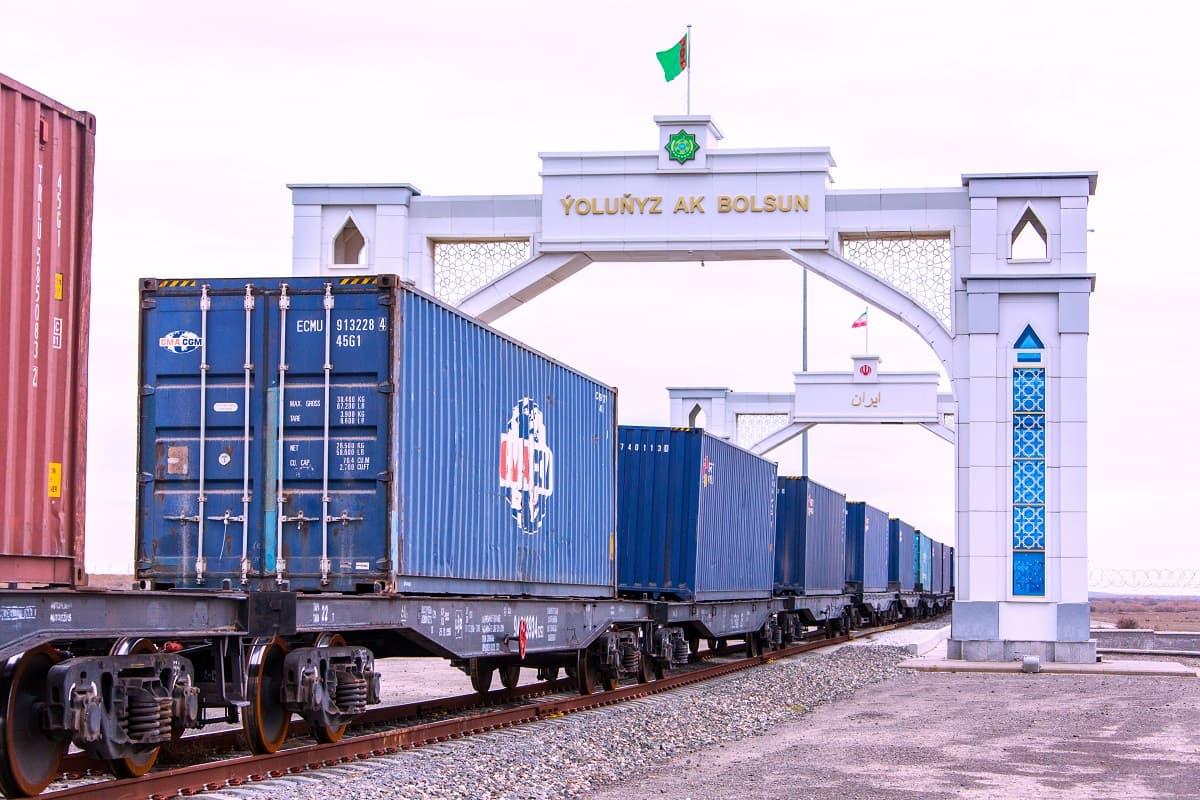
He cited the Korpeje–Kordkuy gas pipeline, Doosti Dam, Kazakhstan–Turkmenistan–Iran railway, Incheh Borun–Bereket rail link, electricity cooperation and Sarakhs border area as cross-border successes.
Future priorities include energy, gas swaps, transmission, storage, refining and petrochemicals; transit and logistics, including rail and road fleets, border terminals, logistics centers and Caspian transport; agriculture and food processing; and industrial investment in free and special economic zones.
Heydari said projects need clear institutional mechanisms, predictability and implementability. Under Iran’s foreign investment law, the Investment Organization is the official entry point for foreign investors.