
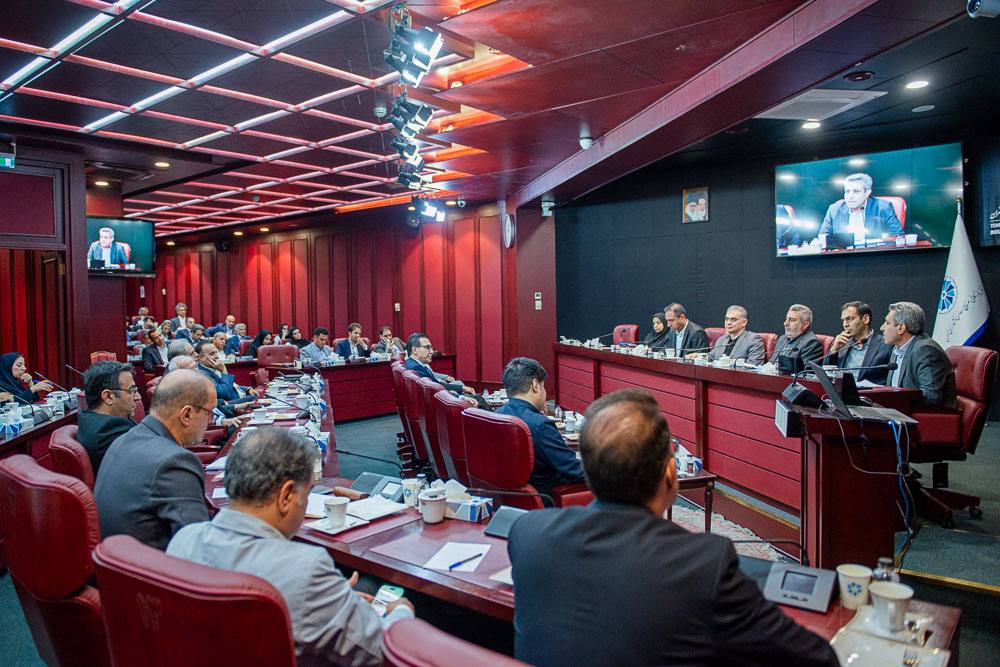
A new chapter in Iran’s export drive opened in Tehran as six commercial attaches prepared to depart for five regional and Asian markets. At TCCIMA’s 18th Trade Facilitation and Development Committee meeting, envoys and business leaders agreed to turn ceremony into results—and the mood was upbeat.
The session, attended by the head of the Trade Promotion Organization’s Commercial Attaches Department and the president of the Iranian Export Confederation, focused on practical steps: finding reliable partners, smoothing exports and imports, clearing currency, customs and logistics hurdles, and keeping envoys in constant touch with the private sector. Topics included export promotion, investment, networking, dispute resolution and opening destination markets.
Mohammad Reza Ghafrollahi, who heads the committee, said the envoys’ mandate is clear: provide market intelligence, promote exports, attract foreign investment, build networks, settle disputes and back trade talks. Every problem solved for exporters, he added, brings more foreign currency and jobs. Even imports help: because many imports are production inputs, easing them keeps factories running and production growing.
Ghafrollahi said the meeting’s purpose was to align plans with real business concerns. Starting the conversation early, he noted, will make missions sharper and more effective.
Mohammad Lahouti, head of the Iran Chamber’s Non-Oil Export Development Committee, called commercial attaches a vital bridge between Iranian traders and new markets. The structure has existed for over two decades, with ups and downs, but where envoys built strong ties with chambers of commerce, joint chambers and businesses, markets flourished.
Though attaches are selected by the Trade Promotion Organization and the Ministry of Industry, Mining and Trade, Lahouti stressed that close private-sector engagement must be central to their work. The better those ties, the greater Iran’s success abroad.
With envoys energized and businesses engaged, Iran’s trade diplomacy is poised to turn connections into contracts and markets into opportunities.