
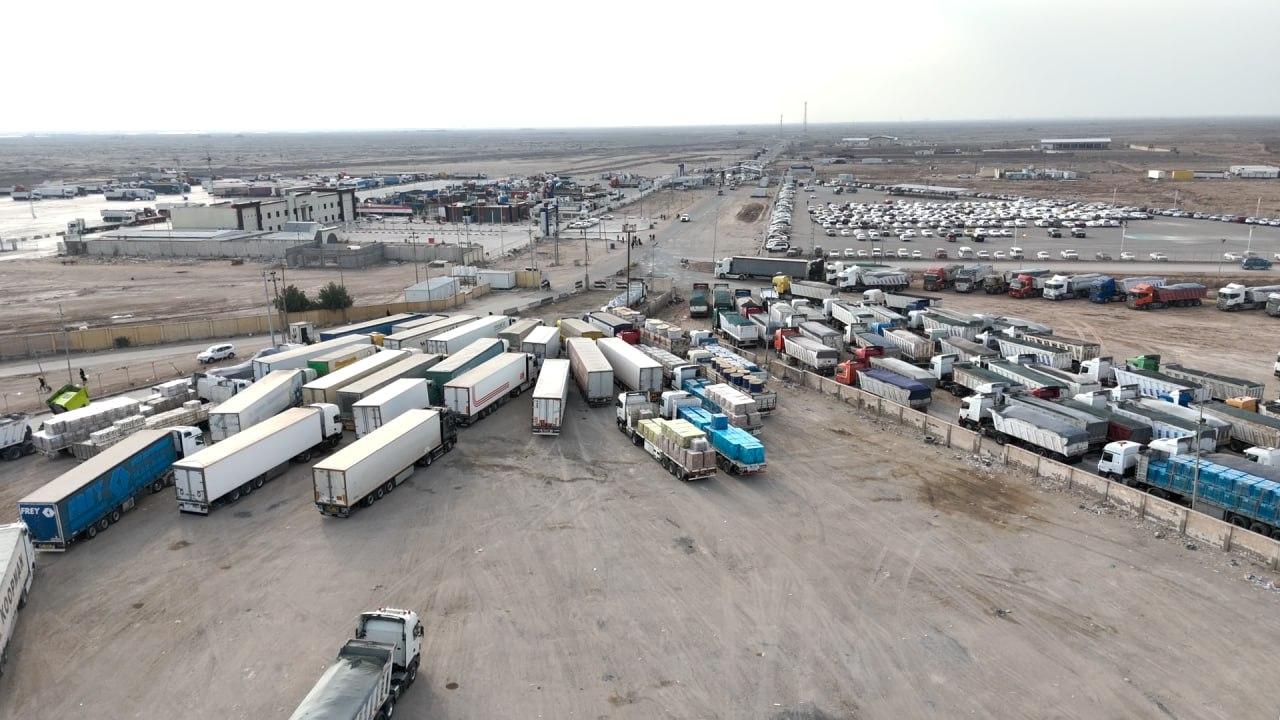
Iran’s free zones are stepping into a promising new era, and Arvand Free Zone is leading the way. CEO Mostafa Khanzadi told a gathering of free and special economic zone officials that stronger authority, integrated border management, and unified economic diplomacy can unlock thriving trade with neighboring countries and bring real prosperity to border communities.
Khanzadi sounded an upbeat note on Article 65, the pilot plan for Arvand. After months of coordination with the First Vice President and the Interior Ministry, the regulations are back under review in the government’s Economic Commission. Approval now looks within reach. Once in place, Arvand can concentrate on its core economic mission, while governorates handle routine duties—a change that will help the zone serve its 600,000 residents far more effectively.
Tax reform offers another major opportunity. Returning revenue from mainland-bound goods to free zones would fund infrastructure, boost income, and create jobs. A specialized bank or offshore mechanism would finally give local industries reliable access to finance.
On diplomacy, Khanzadi called for a unified voice toward Iraq and Turkey. A dedicated committee and secretariat for Iraqi affairs would end scattered approaches and turn coordination into a clear advantage. The recent Shalamcheh experience proves what is possible: when the border closed, the free zone’s quick initiative helped reopen it, showing that local management can deliver fast, practical results.
Security, he said, should remain with governors and relevant agencies, but economic and trade management should be entrusted to free zones. With that trust, Arvand can become a true gateway to Iraq, Kuwait, and the Persian Gulf. Officials like Hossein Forouzan also back a bigger private-sector role and greater authority for free zones.
The message is clear: Iran’s free zones are ready to attract investment, expand exports, and create jobs. With government support, the country’s borders can become bridges of opportunity.