
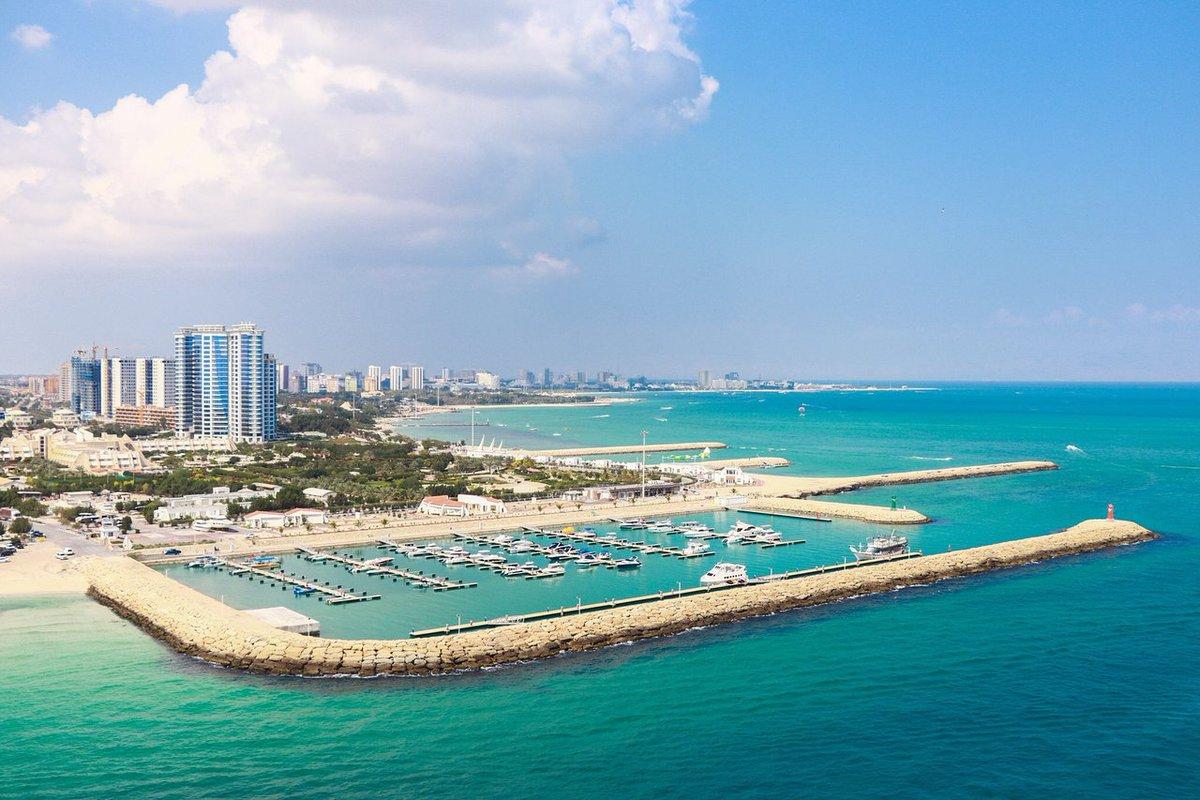
Iran’s free zones could play a transformative role in the national economy if longstanding structural obstacles are removed, according to Mohammad Kabiri, CEO of the Kish Free Zone Organization.
Speaking at a gathering of free zone officials, Kabiri expressed hope that recent diplomatic efforts would allow the country to pursue development with greater calm. He noted that over 169 countries operate more than 6,000 free and special economic zones, generating approximately $3.5 trillion in exports globally.
Kabiri identified five key drivers behind successful free zones worldwide: tax exemptions, customs facilities, dedicated bank credit lines, support for innovation, and—most critically—managerial independence. He pointed to China’s Shenzhen zone, which covers a tiny fraction of China’s territory yet accounts for roughly 10 percent of its exports. He also cited Dubai’s JAFZA and the Dubai International Financial Center as models of logistics and financial zones.
“Article 65 of Iran’s Free Zones Law was designed based on these global experiences, but it remains largely unimplemented,” Kabiri said, noting that more than half of free zone managers’ time is consumed by conflicts with other government bodies rather than developmental work.
The Kish CEO outlined several pressing challenges. Since 1401, free zones—which receive no government budget—have faced taxation, while lacking a dedicated bank. “When credit resources reach provinces, free zones receive no share,” he said. He also criticized customs restrictions, noting that parcels can be sent to Tehran from Washington or Tokyo, but not from Kish to the mainland.
Kabiri proposed creating a dedicated bank for the country’s 19 free zones and called for full implementation of Article 65.
Highlighting wartime resilience, he said Kish’s rail investment grew sevenfold and its port and airport ranked first nationally.
He urged immediate relief for southern businesses under pressure, proposing a three-month deferral of taxes and social security payments, removal of banking restrictions, and customs flexibility for warehoused goods.
“Free zones can take on major national missions in financing, logistics, and the digital economy,” Kabiri concluded.