
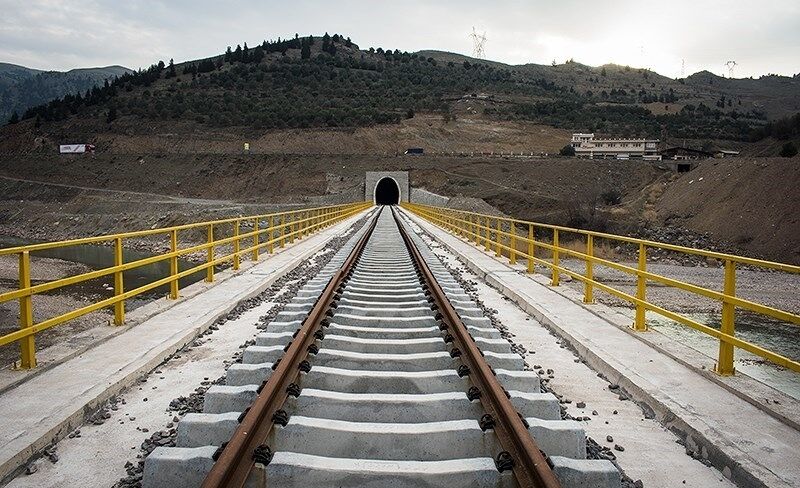
For years, the 162-kilometer Rasht–Astara railway has been the North–South Corridor’s most stubborn missing link. Now, Iranian officials say the project has quietly crossed a crucial threshold: execution has begun.
Abbas Khatibi, deputy for construction and development of railways, ports and airports at Iran’s transportation infrastructure company, said work is underway on land acquisition and stabilization of 56 kilometers of the route, using domestic capacity and domestic funding. The project, he stressed, is not merely another rail line but a decisive piece of regional transit architecture.
Iran had committed to acquiring the full route within a year. Last February, it formally handed over 125 kilometers to the Russian side and has signaled readiness to deliver the rest. Russian teams have not always been fully present because of the country’s special conditions, Khatibi noted, yet more than 100 kilometers have been occupied and equipment deployed. Acquisition costs for 89 kilometers have already been paid.
Financing talks with Russia under a 2023 agreement are now 93 percent complete, with only the final price still under negotiation. The discussions have covered employer requirements, special conditions, technical specifications and volumes.
Experts continue to describe the railway as essential. Despite national conditions, work is pressing ahead. For Iran, the project is seen as decisive for completing the North–South Corridor and expanding regional transit connectivity—turning geography into economic leverage.