
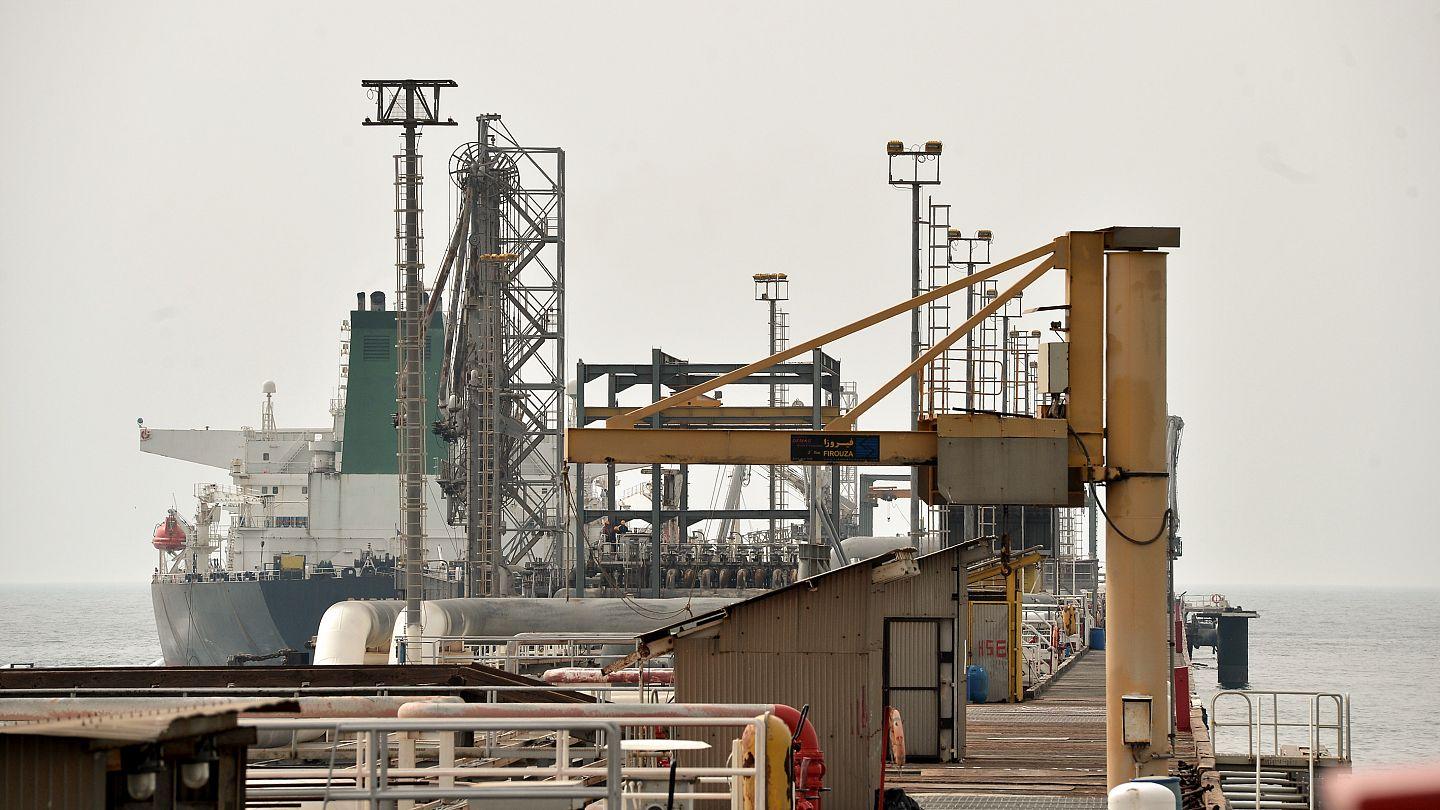
Iran’s economy shrank by more than 10% year-on-year in the first quarter of the current Iranian year (March–June 2026), according to economic growth data reviewed by Donya-e-Eqtesad newspaper, as disruptions to oil exports weighed heavily on the economy.
The contraction, measured at constant prices, was driven largely by the oil and gas sector. Value added in crude oil and natural gas extraction fell by more than 26% in the spring, while natural gas distribution declined by more than 21%.
The figures come as Iran’s oil exports have faced major disruptions following months of military tensions and restrictions affecting energy shipments. Reuters reported that Iranian crude loadings fell sharply in the months following the conflict, with August volumes estimated at only around 220,000 to 255,000 barrels per day, compared with about 2 million barrels per day in March.
Oil Shock
The latest GDP data suggest that the shock has spread beyond the energy sector.
Gross fixed capital formation declined by about 8.5% during the period, while exports of goods and services fell by nearly 36%. Imports also dropped by more than 14%, while household private consumption recorded negative growth.
The non-oil economy also contracted, with GDP excluding oil declining by about 4.6%. This is significant because it indicates that the weakness in the oil sector has increasingly affected domestic economic activity.
The mechanism is relatively straightforward. Lower oil exports reduce foreign-currency earnings and weaken the ability of businesses and the government to finance imports and investment. Lower demand then affects industries and services that depend, directly or indirectly, on oil-related income.
The World Bank has also identified disruptions to trade, weaker investment sentiment and lower oil revenues as major pressures on Iran’s economy. In its latest regional assessment, the bank estimated that Iran’s economy contracted in the 2025/26 Iranian fiscal year and warned that weaker investment and trade disruptions could continue to weigh on non-oil activity.
Investment Hit
The decline in investment is among the more important elements of the latest figures.
An 8.5% fall in gross fixed capital formation means that companies and the public sector are adding less to productive capacity. If the decline persists, the effects could extend beyond the current quarter by limiting production capacity and reducing the economy’s ability to generate growth in subsequent periods.
The fall in household consumption also points to weaker domestic demand. With households facing reduced purchasing power, businesses in manufacturing, retail and services can face lower sales, creating another channel through which an external shock can spread through the economy.
Fiscal Pressure
The contraction also creates challenges for the government. Lower oil exports mean lower oil-related revenues and reduced access to foreign currency. At the same time, weaker economic activity can limit tax revenues. The resulting fiscal pressure could make it more difficult to contain the budget deficit, while persistent fiscal imbalances can add to inflationary pressures.
Iran was already facing significant inflation before the latest shock. Official statistics showed annual inflation at 62% in the Iranian month of Khordad 1405 (May 22–June 21, 2026), while point-to-point inflation reached 88.6%.
The combination of weaker output, lower investment, declining trade and high inflation therefore creates a difficult environment for businesses and households.
Recovery Depends on Exports
The immediate performance of the economy will depend heavily on the ability to restore oil exports and stabilize foreign-currency earnings.
But a durable recovery would also require stronger investment and improved confidence among businesses and investors. Without these improvements, even a recovery in oil exports may not quickly translate into broad-based growth.
The latest figures show that the first-quarter shock was not confined to one sector. The oil and gas downturn has been accompanied by weaker investment, trade and household demand, suggesting that the effects of the external shock are increasingly visible across the wider Iranian economy.