
Iran’s northern free zones are positioning themselves as the country’s main gateway to Eurasia, but their success depends on replacing fragmented port governance with integrated management, says Amin Ofoghi, CEO of the Mazandaran Free Zone Organization.
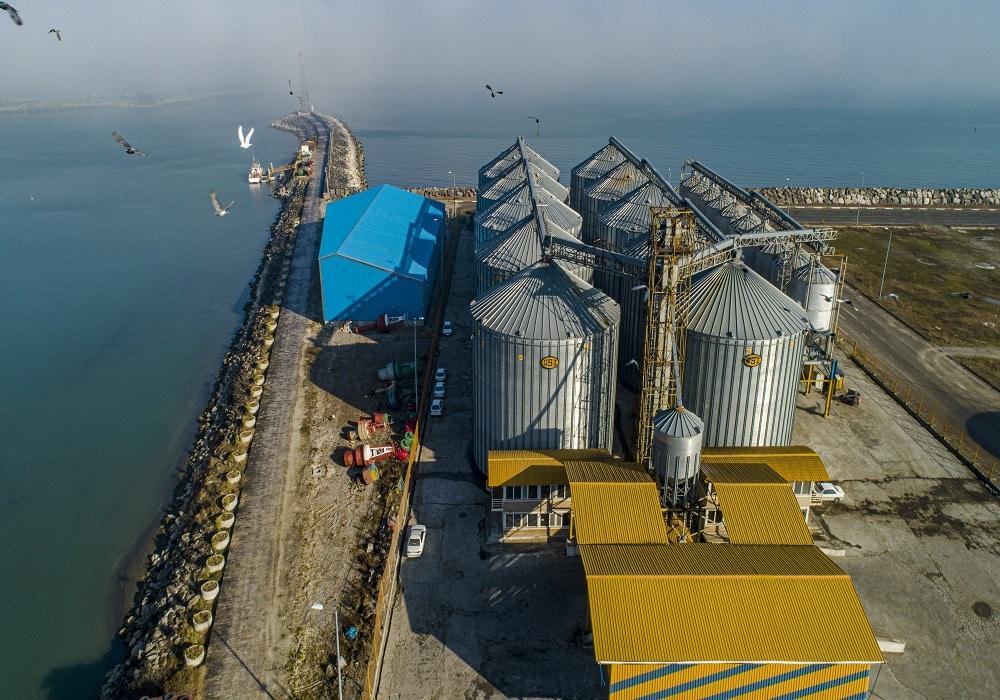
Ofoghi said the northern ports—Amir Abad, Nowshahr, Babolsar and the Juybar–Babolsar zone—cover about 460 hectares and are intended to link trade, tourism and technology.
The numbers underline their weight: roughly 65% of Iran’s Caspian maritime exchanges pass through Amir Abad and Nowshahr, while Anzali and Caspian ports account for another 27%. In total, about 92% of the country’s Caspian maritime trade takes place in free-zone ports.
Yet infrastructure remains underused. Of a designed capacity of some 30 million tons, only about 9 million tons is operational.
Ofoghi argues that unified governance—not new construction—is the missing link. He points to a successful China–Kazakhstan route that brought 15,000 containers into Caspian Port, while Anzali Port received none because it lacked free-zone management. During recent conflict conditions, northern ports supplied about 70% of essential goods needed in northern Iran.
The strategic goal, he says, is to turn northern free zones into a CIS and Eurasia transit hub through logistics, economic diplomacy and international corridors. Direct trade with Russia and Kazakhstan could cut out intermediaries. He also calls for reviving regular Caspian shipping lines, expanding rail links, creating joint logistics firms, and developing third-generation ports where production and value-added activity occur in the port hinterland.
Ofoghi has asked the government for a one-year pilot applying Article 65 and integrated management to northern ports. If it works, he says, the model could be extended to other free zones—strengthening trade, logistics resilience and Iran’s economic diplomacy. The proposal now awaits government approval.