
For Iran, BRICS is less a diplomatic club than a potential economic corridor. That was the message from Economy Minister Seyed Ali Madanizadeh, who briefed the 318th Supreme Council of the Stock Exchange on his trips to Russia and India and the BRICS economic ministers’ meeting.
According to IRNA, the meeting was chaired by Madanizadeh; the council reviewed capital market conditions and approved agenda items.
Madanizadeh said Tehran won “very good feedback” from member-state leaders and useful, agreed grounds for cooperation across economic fields.
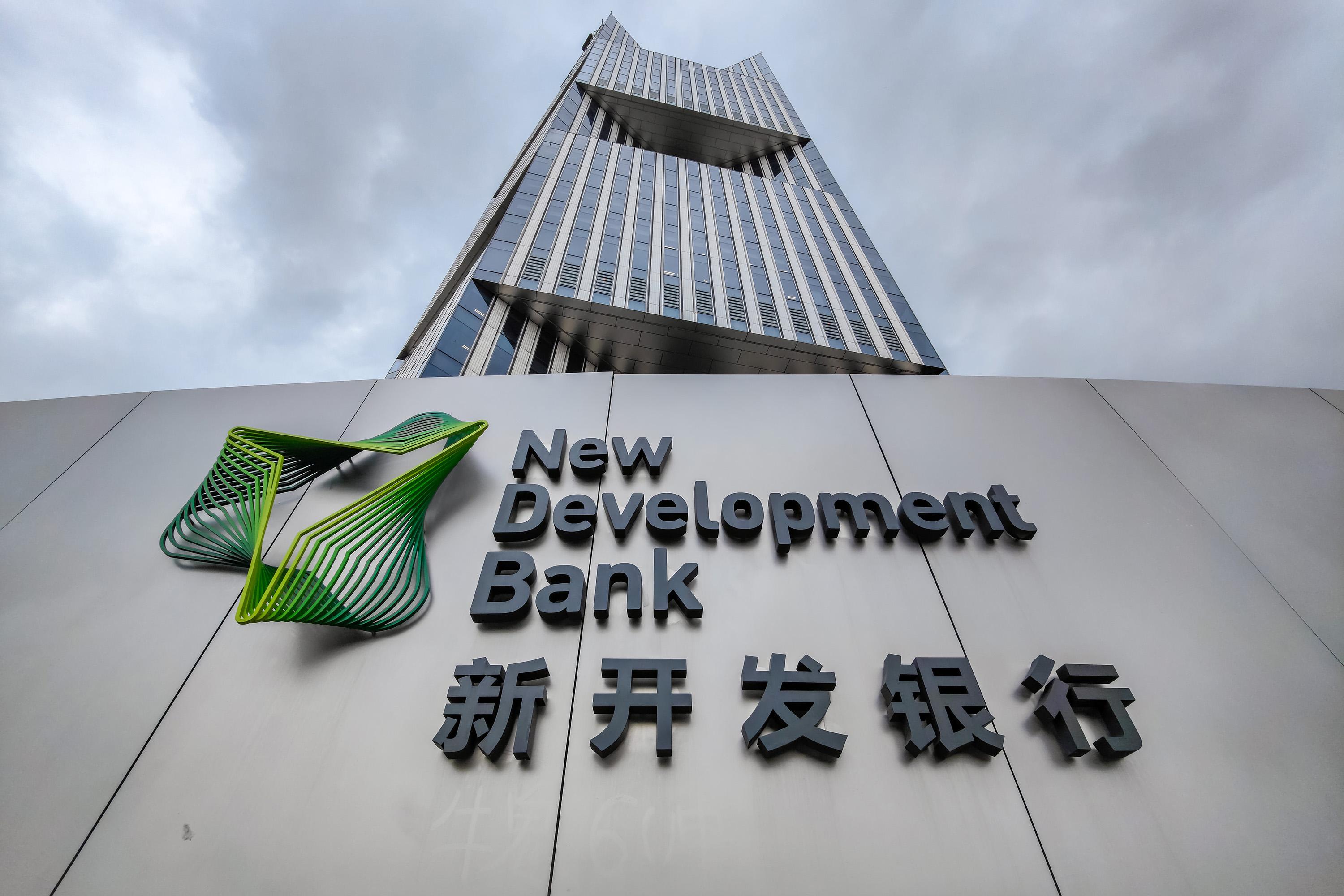
A key outcome, he added, was groundwork for ties with BRICS banks, including Russian lenders—an opening he called path-breaking for Iran’s private sector. Yet the broader challenge is structural.
Iran joined BRICS in 2024 and already trades heavily with members: roughly $23.7 billion in exports and $38.8 billion in imports. The bottleneck is not demand but payments, banking, insurance and sanctions. BRICS work on local currencies and payment connectivity is therefore critical. China dominates Iran’s BRICS trade, making diversification vital. Iran could also serve as a North–South transit route. But membership alone delivers little. Real gains will depend on contracts, payment channels, investment, balanced higher-value trade and physical goods flows. Still, implementation remains the test.