
Iran is designing a rial-based trade mechanism with neighboring countries, aiming to facilitate exchanges and reduce reliance on dollar-denominated transactions, a senior trade official announced.
Mohammad Sadegh Ghannadzadeh, Deputy for Commercial Services at the Trade Promotion Organization (TPO), said in an interview with IRNA that the proposal focuses on countries like Iraq and Afghanistan, where traders already obtain rials informally to purchase Iranian goods. "We have proposed a clear procedure for this type of exchange," he said, adding that the plan is under review with the banking system and exchange offices and has been submitted to the Central Bank for final approval.
The official emphasized that while exports must ultimately generate foreign currency, the mechanism aims to resolve existing payment hurdles. "We are designing tailored programs for each country—covering trade, transportation, banking, and alternative payment methods—through joint committees and working groups," he added.
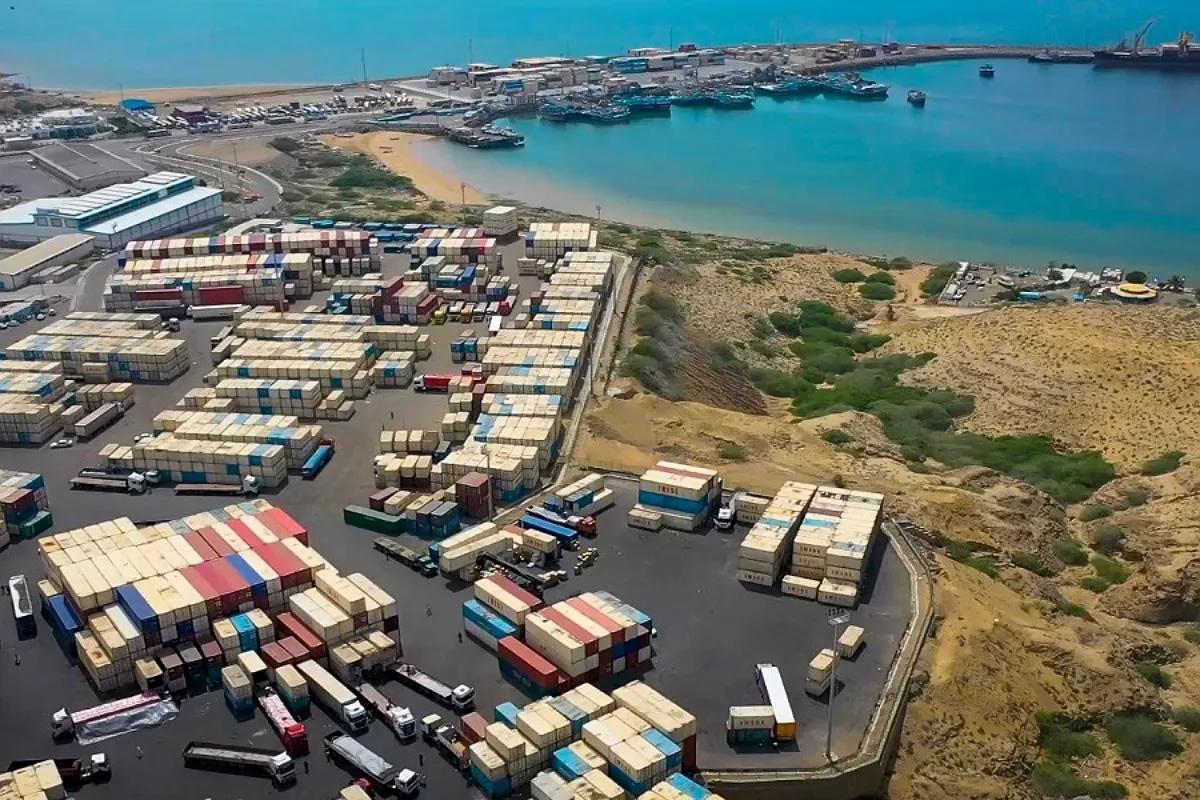
Iran has already initiated negotiations with Pakistan to streamline border crossings and customs procedures, with similar talks planned for Iraq, Turkey, and Afghanistan.
War Impact on Trade
Assessing the aftermath of recent regional tensions, Ghannadzadeh acknowledged an inevitable decline in foreign trade due to heightened risks in maritime logistics. "A significant portion of our trade is via sea, and reduced fleet movement affected volumes," he said. To cushion the blow, the government prioritized imports of essential goods and raw materials, ensuring minimal disruption to production and basic needs.
Beyond payment mechanisms, Iran is pursuing a broader strategic realignment with its neighbors. The government is exploring countertrade, commodity swaps, and direct investment exchanges to deepen regional integration. By addressing each partner individually through joint commissions and sector-specific working groups, Tehran aims to build resilient commercial ties capable of withstanding external pressures.
The rial-based initiative, once finalized, could mark a significant step in Iran's push to de-dollarize its trade and strengthen economic ties with its immediate neighbors.