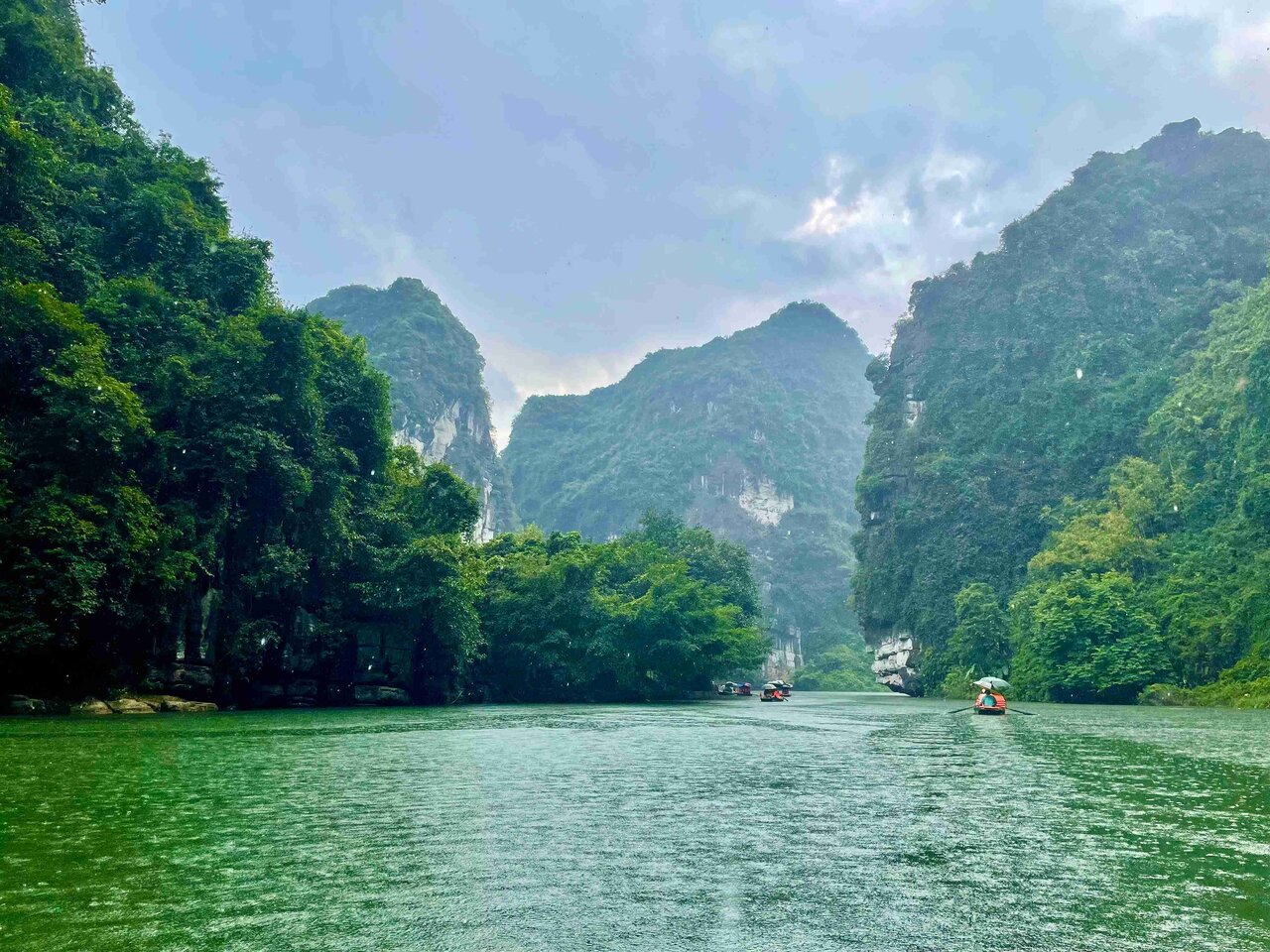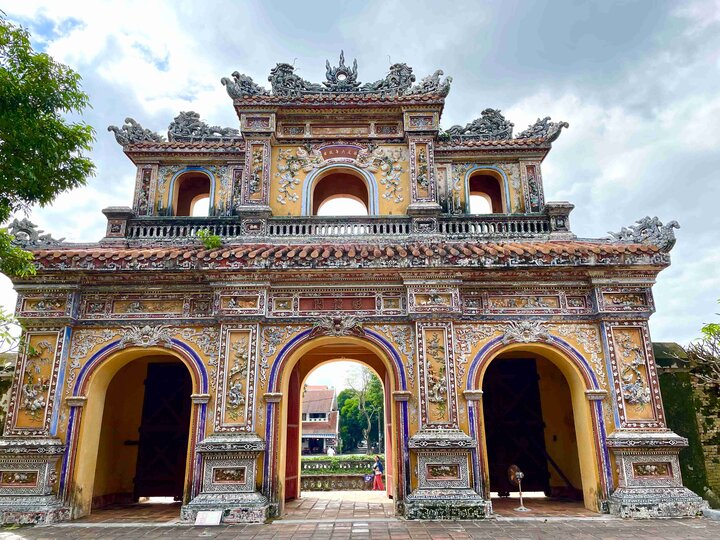
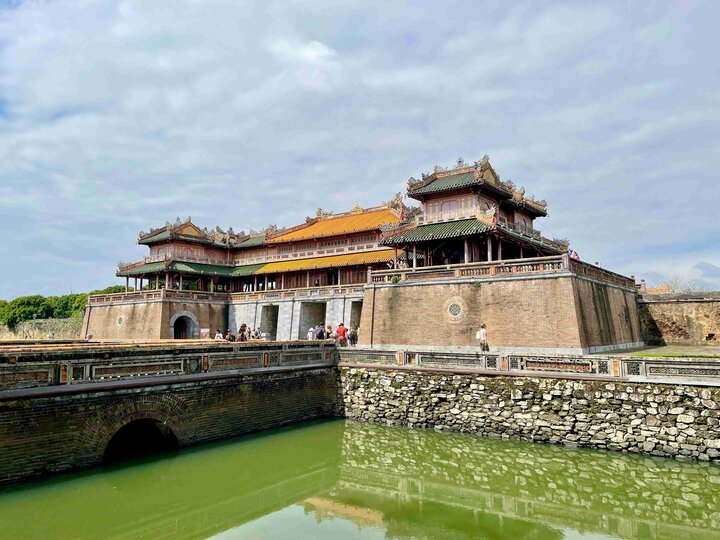
When a traveler journalist spends a long time traversing a nation—from the bustling metropolis of Ho Chi Minh City to the lantern-lit ancient town of Hoi An, the imperial citadels of Hue, the vibrant capital of Hanoi, and the breathtaking karst seascape of Ha Long Bay—what remains imprinted is not merely scenic beauty but the visible evidence of strategic national planning. Vietnam in November 2024 was not just a destination; it was a masterclass in economic transformation.
The Numbers That Tell the Story
Vietnam has accomplished what few emerging economies have managed: turning tourism into a primary driver of national prosperity. In 2025, the country welcomed 21.2 million international visitors—a 20 percent increase that set an all-time record. Tourism receipts reached approximately $85 billion, contributing between 6 and 8 percent of GDP annually during the 2021-2025 period.
Yet these figures represent only the beginning. Under Politburo Resolution No. 26-NQ/TW, Vietnam has set even more ambitious targets: tourism contributing 10 to 12 percent of GDP by 2030, with total receipts of $80 to $90 billion. By 2045, the sector is projected to account for 14 to 15 percent of GDP, attracting 70 million international visitors and securing a position among the world's 30 most competitive tourism economies.
The spillover effects are equally impressive. Despite global geopolitical tensions and inflationary pressures, Vietnam's GDP grew 8.18 percent year-on-year in the first half of 2026, with services expanding by 8.09 percent. Retail sales surged 12.9 percent, driven largely by tourism recovery. The industry already supports 2.3 million direct jobs and 3.5 million indirect jobs, with plans to reach 1.5 million accommodation rooms.
Four Pillars of Vietnam's Strategy
Vietnam's success rests on four interconnected pillars that offer clear lessons for Iran.
First, governance and political will. The Politburo resolution elevates tourism to a national priority, signed at the highest level and implemented across the entire political system—from the National Assembly to provincial organizations. This ensures coherence, accountability, and sustained commitment.
Second, infrastructure as a growth catalyst. Vietnam is developing three major tourism growth poles in Hanoi, Ho Chi Minh City, and Da Nang, alongside 10 key tourism centers and 20 national tourism areas. Multimodal transport infrastructure—aviation, railways, inland waterways, seaports, and marinas—is being prioritized. Modern vessels and passenger terminals enhance visitor experiences, extend stays, and increase per-capita spending.
Third, a decisive shift from volume to value. Vietnam is moving away from counting heads toward attracting higher-spending, longer-staying visitors. Visa policies are being reformed with wider exemptions for key markets. Emerging models—night-time economy, riverfront and coastal economies, and integrated tourism, cultural, sports, and entertainment complexes—are actively supported. Shopping tourism is encouraged through value-added tax refund mechanisms.
Fourth, digital and green transformation. Vietnam is establishing a national smart tourism ecosystem with a comprehensive database and digital platform. Big data and artificial intelligence will drive promotion and destination reputation management. Simultaneously, green tourism is being advanced through wastewater treatment, reduced plastic use, and circular-economy models.
What Iran Must Do
For Iran, with 30 UNESCO World Heritage sites—more than Vietnam—and millennia of civilization, the gap between potential and performance is stark. The tourism sector currently contributes only 5 percent of GDP, a fraction of Vietnam's achievement. Yet the opportunity is immense.
Iran must elevate tourism to a national strategic priority. A binding, high-level policy directive is essential—one that places tourism at the center of economic diversification, on par with oil and gas.
Clear responsibilities must be assigned across ministries, provinces, and the private sector.
Massive infrastructure investment is non-negotiable. Iran needs an estimated 3,000 new four- and five-star hotels and a modernized aircraft fleet. Multimodal transport—upgraded airports, expanded rail networks, and cruise terminals along the Caspian Sea and Persian Gulf—must be prioritized. Public-private partnerships, which Vietnam actively encourages, must be institutionalized.
Visa reform is urgent. Iran's cumbersome visa regime deters potential visitors. Immediate visa-free access for citizens of major tourism-source countries, combined with an electronic visa system, could significantly boost arrivals.
Iran must shift from quantity to quality, targeting high-spending tourists—cultural heritage enthusiasts, wellness travelers, MICE delegates, and luxury adventurers. Developing the night-time economy, shopping tourism with VAT refunds, and integrated resort complexes would mirror Vietnam's strategy.
Digital and green transformation cannot be delayed. A national tourism database, AI-driven promotion, and digital booking platforms are essential. Sustainable tourism—waste management, green transport, and heritage conservation—will protect Iran's assets and appeal to the growing market for responsible travel.
Finally, human capital development is foundational. Vietnam targets 2.3 million direct tourism employees. Iran currently has only about 50,000 trained professionals, whereas it needs at least 200,000 fluent in key languages. Investment in hospitality education and vocational training is not optional.
A Window of Opportunity
Vietnam's resilience and diversified growth offer a compelling model. By adopting its strategic focus—political will, infrastructure investment, visa reform, quality targeting, digital innovation, and human capital development—Iran could realistically generate $20 billion in annual tourism revenue and create 150,000 new jobs by 2030. More importantly, it would reduce dependence on oil, diversify the economy, and project a more welcoming image to the world.
Iran has the heritage, the climate, and the geography. What it lacks is the resolve. The lesson from Hanoi to Ha Long Bay is unmistakable: tourism is not leisure; it is livelihoods, growth, and national prosperity. Iran would do well to learn it.