
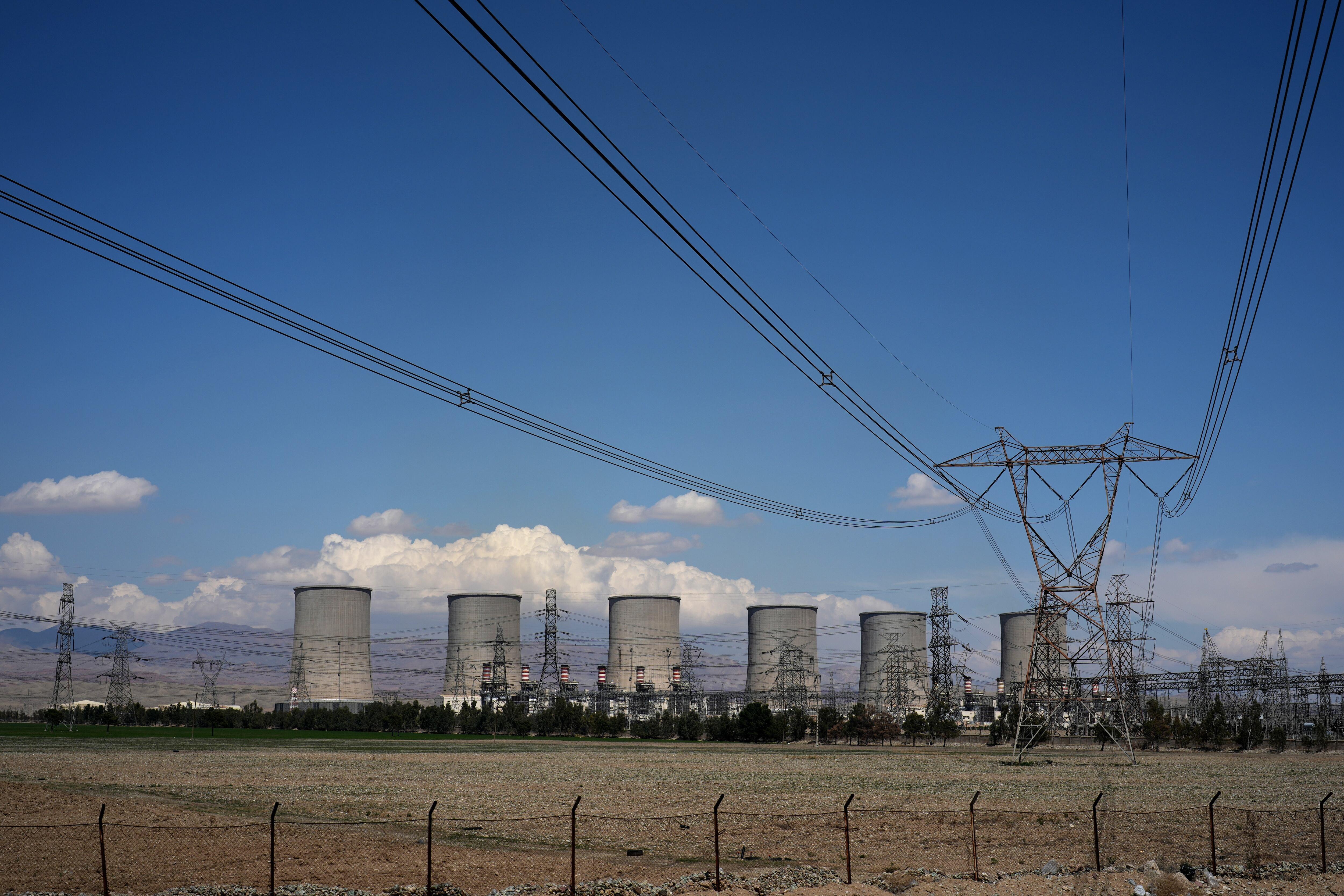
Iran has significantly boosted its electricity generation capacity over the past year, adding thousands of megawatts to the national grid as part of a broader strategy to address the persistent imbalance between production and consumption, officials announced.
According to Abolfazl Asadi, Deputy for Planning and Economic Affairs at Tavanir, the state-owned power generation and distribution company, renewable energy capacity has surged from 1,250 megawatts to approximately 7,000 megawatts. Thermal power plants have also contributed an additional 3,000 megawatts to the country's total output.
The expansion comes as Iran faces mounting pressure on its power infrastructure, exacerbated by wartime conditions and record-breaking summer temperatures. To encourage private sector participation, the government has introduced trading boards on the Energy Exchange, allowing investors to sell electricity directly to private buyers. The Green Board serves renewable projects, while the Free Board caters to thermal generation.
In a novel initiative, the Energy Savings Board has been launched, enabling industries to trade saved electricity. The number of savings contracts has jumped from just 2 to 59, driven by efficiency measures such as replacing outdated cooler motors with high-efficiency BLDC models.
Asadi noted that large industries are now required under the Seventh Development Plan to generate part of their own power through dedicated plants. Approximately 100 to 200 megawatts of such capacity has already been realized.
On the transmission front, 140 major projects have been completed, eliminating bottlenecks and ensuring stable distribution. Small-scale plants of 2 to 5 megawatts are also being developed at consumption sites, further bolstering network reliability.
Asadi praised public cooperation during peak consumption periods, emphasizing that citizen participation in conservation efforts played a vital role in maintaining grid stability. He expressed confidence that continued investment and market-driven mechanisms will secure a more reliable electricity future for the nation.