
Iran's agricultural production reached 137 million tons in the latest crop year, up from 130 million tons, according to Deputy Agriculture Minister Majid Anjafi. The gain comes despite the worst drought in half a century, ongoing sanctions, and a widening gap between mandated and actual water deliveries.
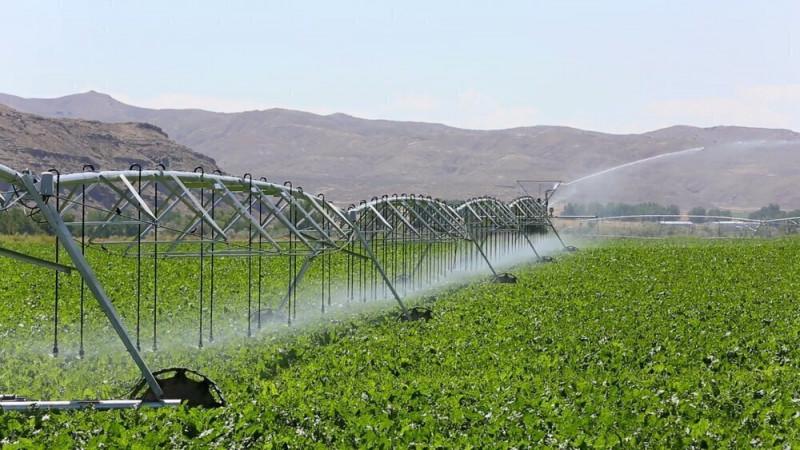
The Ministry of Energy allocated just 51 billion cubic meters for farming last year, well short of the 65 billion cubic meters stipulated under the national development plan. To offset the shortfall, the sector is turning to technology-driven efficiency measures. Deployment of 90 region-specific wheat varieties and improved irrigation techniques have slashed water consumption per hectare from around 7,000 to roughly 3,500 cubic meters in some cases, while yields per unit area have concurrently improved.
Subsidy policy is also being recalibrated. Support is shifting from importers to domestic producers, with pricing disputes resolved to incentivize a long-stagnant oilseed subsector. Officials expect a significant boost in oilseed acreage this year, particularly in Kermanshah province. Over the next five years, the ministry plans to diversify beyond staple cereals into fodder crops and medicinal plants.
Kermanshah, a western province bordering Iraq, has emerged as a national agricultural hub, climbing from fifth to fourth place in the country's cultivation rankings. Its output portfolio spans wheat, barley, oilseeds, vegetables, and livestock, supported by contract farming agreements. Provincial authorities are now pushing greenhouse expansion and modern irrigation to sustain the momentum.
Overall, domestic agriculture now covers approximately 85% of Iran's food demand. With essential inputs secured for the upcoming season and favorable weather forecasts, officials project continued growth, though long-term water scarcity remains a structural risk to the sector's upward trajectory.