
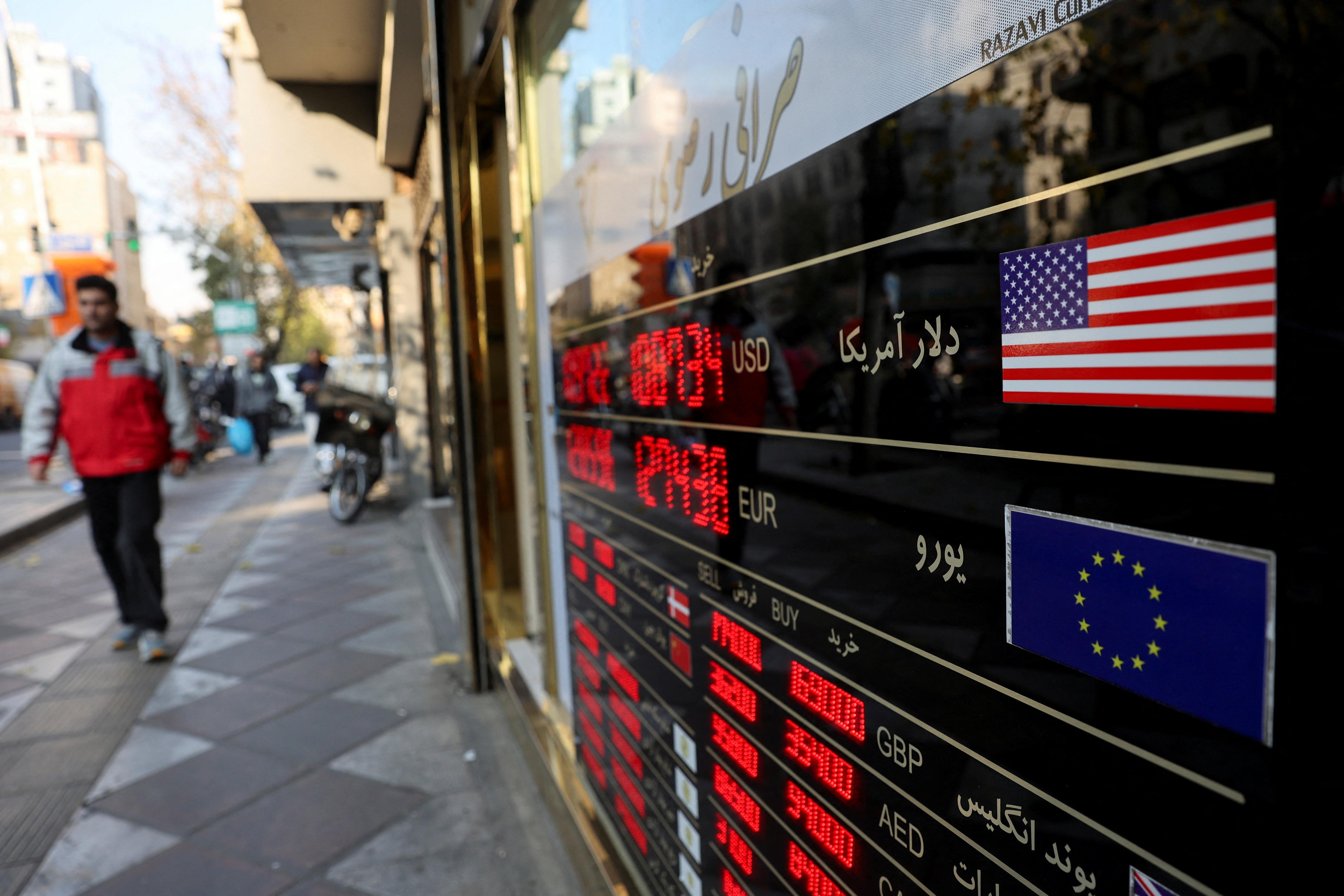
Iran's Economy Minister Seyed Ali Madanizadeh has announced that the government has prepared an offensive economic strategy to counter fresh US sanctions, insisting that Washington cannot sever the country's financial lifelines.
Marking the Government Week, Madanizadeh stated that the administration had anticipated such measures and developed a comprehensive two-year plan to mitigate their impact. While acknowledging damage from past military strikes on steel and petrochemical infrastructure, he said recovery efforts have proceeded swiftly.
Dismissing recent US Treasury statements, the minister argued that the unipolar world order is over and that previous sanction campaigns had failed. "We have endured a full-scale war and defeated them on both the economic and diplomatic fronts," he declared. However, he conceded that inflation and currency pressures have imposed significant hardship on ordinary Iranians.
Madanizadeh outlined a coordinated response involving all economic ministries, the Central Bank, and the Budget Organization. He cited tangible progress in customs efficiency, with clearance times slashed from ten months to eight days, and tax revenues exceeding 90 percent of targets despite wartime conditions.
The minister warned that enemies are now conducting "economic terrorism" targeting vulnerable groups, including patients and children. "They should not think our approach is merely defensive this time," he said. "They should also expect offensive actions from us."
A seven-pillar anti-inflation program is underway, encompassing monetary policy adjustments, production financing, capital market reforms—which have raised 55 trillion tomans through debt issuance—and expanded household subsidies. In the energy sector, the government is pursuing combined-cycle power plant modernization and solar investments, while public cooperation has helped curb consumption growth.
A trade facilitation package awaits final approval, and the former Foreign Investment Organization has been rebranded as the Iran Investment Organization to tackle domestic investment barriers. On currency volatility, Madanizadeh expressed confidence that Central Bank interventions would restore stability, reaffirming the government's commitment to controlling inflation, protecting jobs, and securing essential supplies.