
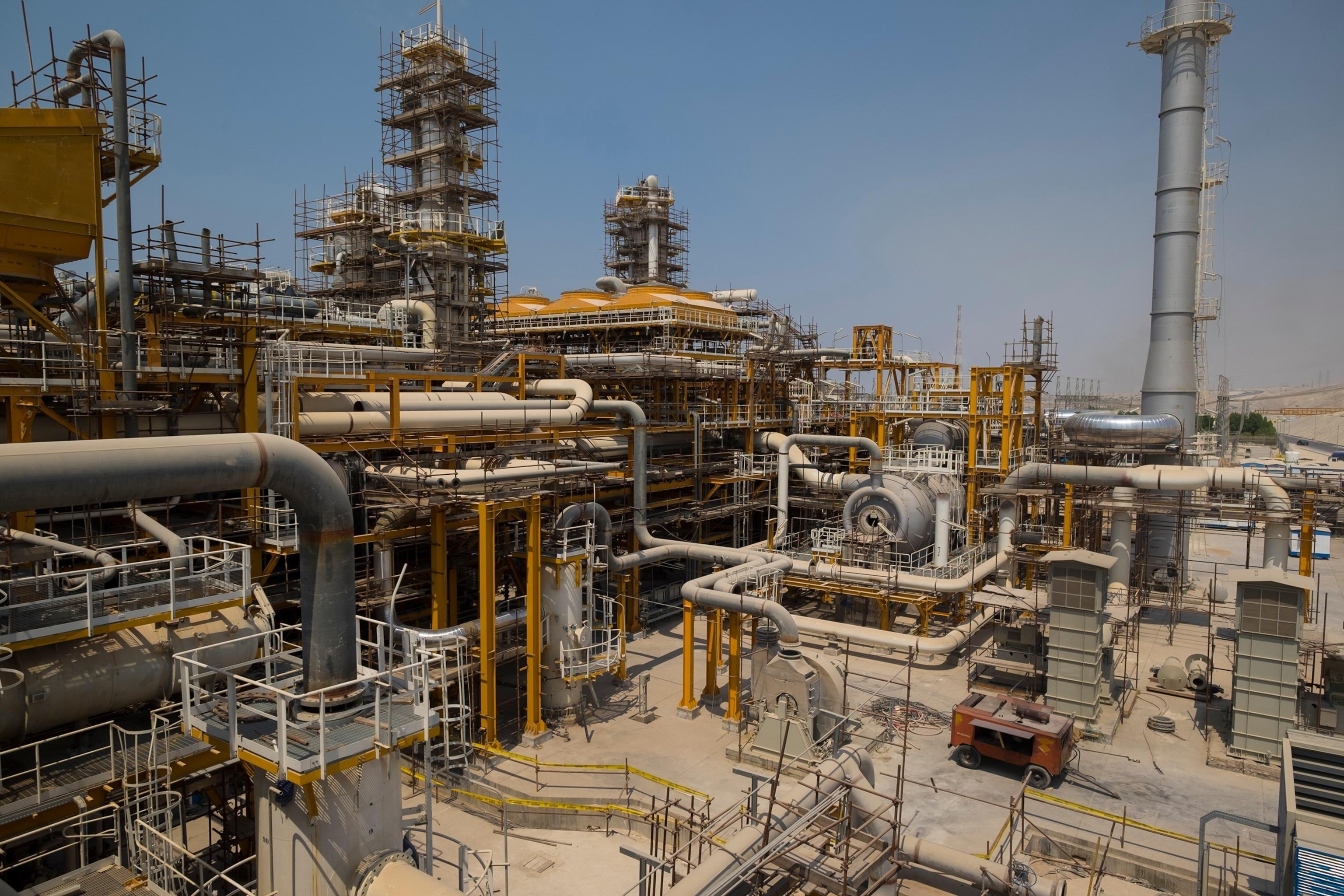
As cold months approach, Iran's gas transmission infrastructure has received a significant boost. The Iran Gas Transmission Company has officially increased the country's gas transmission capacity by bringing new sections of nationwide pipelines online and activating additional pressure boosting stations—a move that comes just in time for the anticipated surge in winter consumption.
Peyman Khazraei, the company's CEO, explained that maintaining network stability remains the top priority. Positioned at the heart of the production-to-consumption chain, the company is responsible for ensuring that every cubic meter of gas extracted from southern fields reaches households and industries across the north, northeast, and central regions without interruption.
This winter, however, presents unique challenges. Damage to South Pars refineries has reduced sweet gas production capacity, forcing engineers to design fresh operational scenarios. Khazraei noted that last year's experience—during which 55 network reconfigurations and round-the-clock deployments kept the system running despite record household demand—has prepared the company for even tougher conditions ahead.
In a strategic move to accelerate development in underserved areas, the company is granting operational independence to Region 11, covering Sistan and Baluchestan province. Given the region's vast geography and growing industrial hubs like Chabahar, this restructuring is expected to enable faster, more localized network management.
The transmission network is also becoming greener. Around 2.5 megawatts of solar power capacity have been installed at pressure boosting stations, offsetting conventional energy use. Additionally, repair teams now employ advanced techniques that allow pipeline maintenance without gas cuts or venting—saving both fuel and environmental harm.
With the 9th nationwide pipeline partially operational and major line upgrades underway, Iran's gas grid is not only expanding but also evolving into a more resilient, efficient, and sustainable system—ready to keep the nation warm through the coldest months.