
Iran's influence in global energy markets cannot be measured by production volumes alone, according to Hamid Nobahar, an economic expert speaking to Tasnim.
While Iran produced roughly 3.26 million barrels of crude per day in 2024 and holds proven reserves of 208.6 billion barrels, Nobahar argued that true oil power depends on a broader equation—one that includes reserves, production capacity, export infrastructure, and market access.
"A country with large reserves but weak transport networks or limited customers cannot fully capitalize on its resources," he said.
The expert highlighted the strategic role of the Strait of Hormuz, through which about 20.9 million barrels per day of oil and products transited in 2023—14.9 million of which were crude and condensates. Any disruption there, he warned, would immediately affect refiners, shippers, insurers, and importing nations.
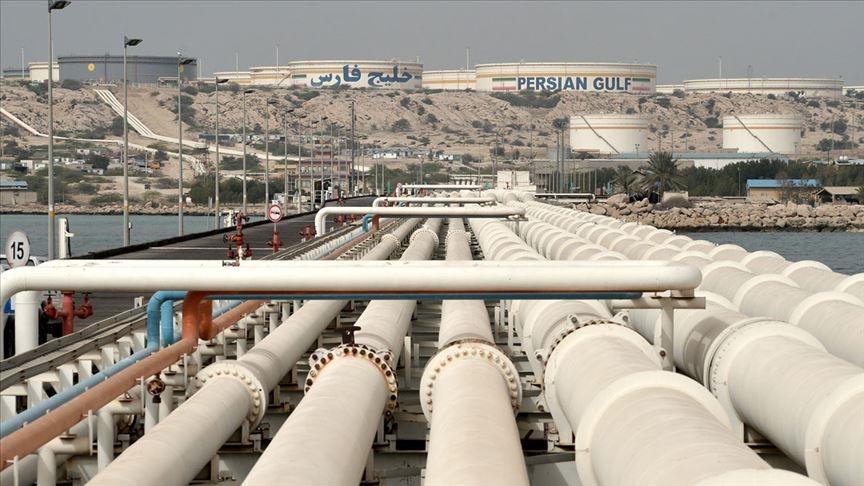
Iran has taken steps to reduce its vulnerability to Hormuz-related risks by developing the Jask export terminal and the Goreh-Jask pipeline, with a nominal capacity of 1 million barrels per day. Total loading terminal capacity exceeds 8 million barrels daily, underscoring the country's significant infrastructure base.
On exports, Nobahar noted that Iran's crude and condensate shipments rose from 400,000 barrels per day in 2020 to around 1.5 million in the first eight months of 2024—with China absorbing about 90 percent of those volumes in 2023. While Beijing remains a vital partner, he stressed the need to diversify customers to reduce concentration risk.
According to a Reuters report cited by Nobahar, Iran's exports to Chinese buyers stood at 534,000 barrels per day in August 2026, with floating storage declining from 105 million to 80 million barrels.
The expert concluded that Iran's oil strength ultimately rests on a flexible, integrated network of production, refining, storage, and export infrastructure. Developing alternative routes, expanding storage, and diversifying markets are not optional—they are essential to transforming the country's vast reserves into lasting geopolitical and economic power.