
In a significant move to bolster regional economic cooperation, Iran has finalized a preferential trade agreement with Oman and submitted it to the Iranian Parliament for final approval. Abdolamir Rabihavi, Director-General of the West Asia Office of the Trade Promotion Organization of Iran (TPOI), announced in an exclusive interview with IRNA that the agreement has completed its administrative procedures and is now awaiting parliamentary review, which is expected to take place next month.
This development represents a cornerstone of Iran's trade diplomacy strategy under the 14th administration. Rabihavi emphasized that the organization has demonstrated serious determination over the past two years to facilitate and expand trade exchanges with regional countries. The agreement with Oman is part of a broader effort to strengthen economic relations with neighboring states through preferential tariffs and reduced trade barriers, which are expected to boost bilateral commerce significantly.
The timing of this agreement aligns with growing momentum in Iran-Oman relations. In May 2025, Iranian President Masoud Pezeshkian made an official two-day visit to Muscat at the invitation of Oman's Sultan Haitham bin Tariq, during which the two nations signed 18 memoranda of understanding spanning legal, economic, political, cultural, educational, health, defense, media, technology, energy, and mining sectors. The visit culminated in the unveiling of a commemorative joint postage stamp, symbolizing the deep cultural and historical bonds between the two countries. President Pezeshkian affirmed Iran's readiness to utilize mutual capabilities for the well-being and progress of both nations, while Sultan Haitham agreed that opening business avenues would lead to a "significant leap in bilateral relations."
Complementing these diplomatic efforts, customs authorities from both countries have been actively working to operationalize the agreement's provisions. In late June, on the sidelines of the World Customs Organization summit, the heads of Iran's and Oman's customs administrations—Foroud Asgari and Said bin Khamis al-Ghaithi—held a bilateral meeting emphasizing increased cooperation in customs matters. Key proposals included forming a joint committee to implement the agreement, conducting study visits to ports of origin and destination, and holding periodic meetings between customs managers to maximize coordination and facilitate trade. Iran's Customs also proposed joint meetings to exchange educational experiences, leveraging the World Customs Organization Regional Training Center (RTC) established in Iran.
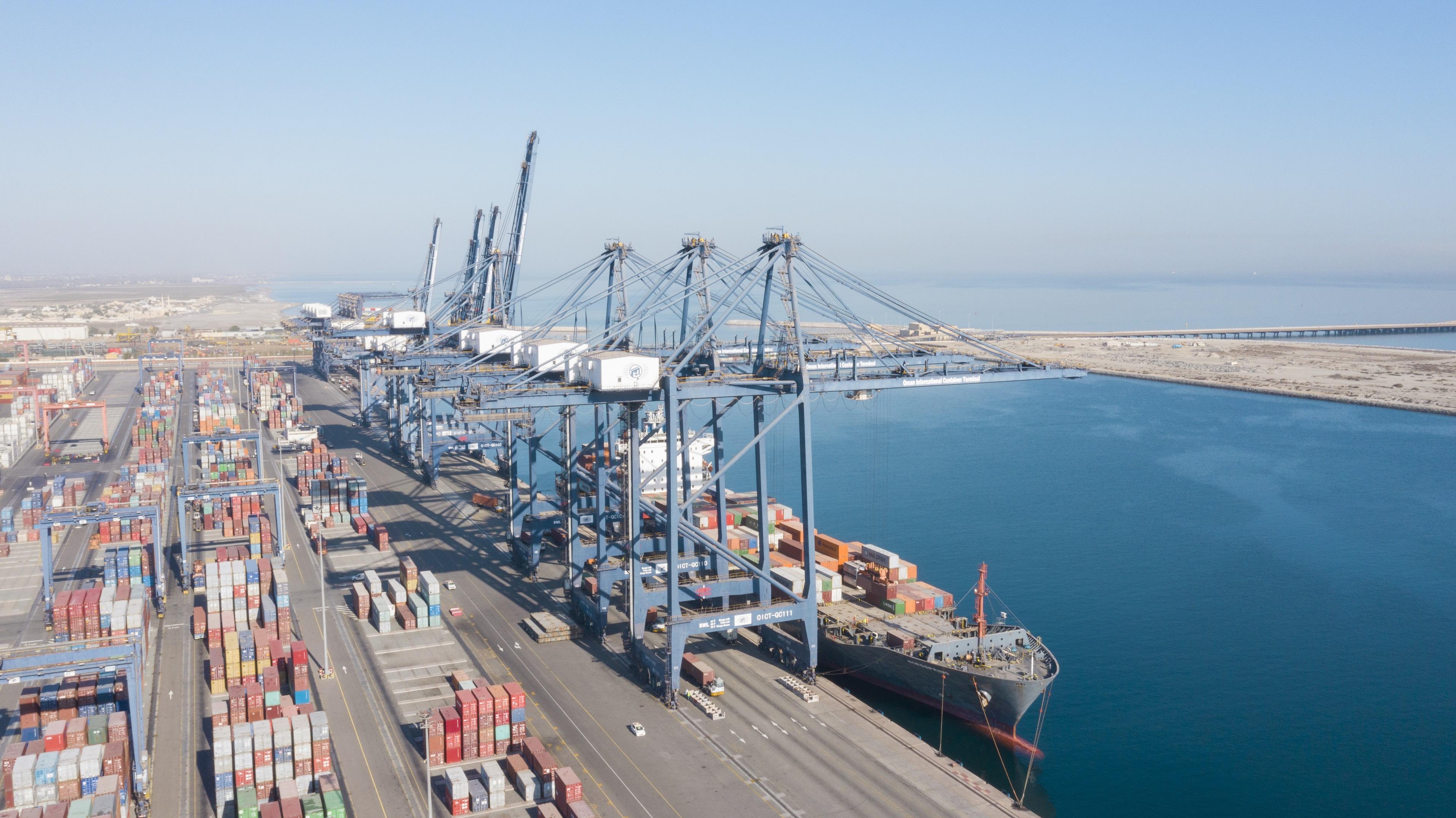
Beyond customs cooperation, both sides discussed developing mutual collaboration in combating smuggling and customs violations, while Sultan Haitham specifically highlighted the need to develop port relations and utilize Iran's north-south rail capacity, which he described as having "great commercial importance" to Oman. He also called for increased support in energy sector cooperation.
These interconnected efforts—from the preferential trade agreement and high-level diplomatic visits to customs coordination and infrastructure development—demonstrate a comprehensive approach to strengthening Iran-Oman economic relations. As both nations work to remove legal, procedural, and infrastructural barriers, the prospects for expanded bilateral trade appear increasingly promising, positioning Iran to enhance its role in regional and global commerce.