
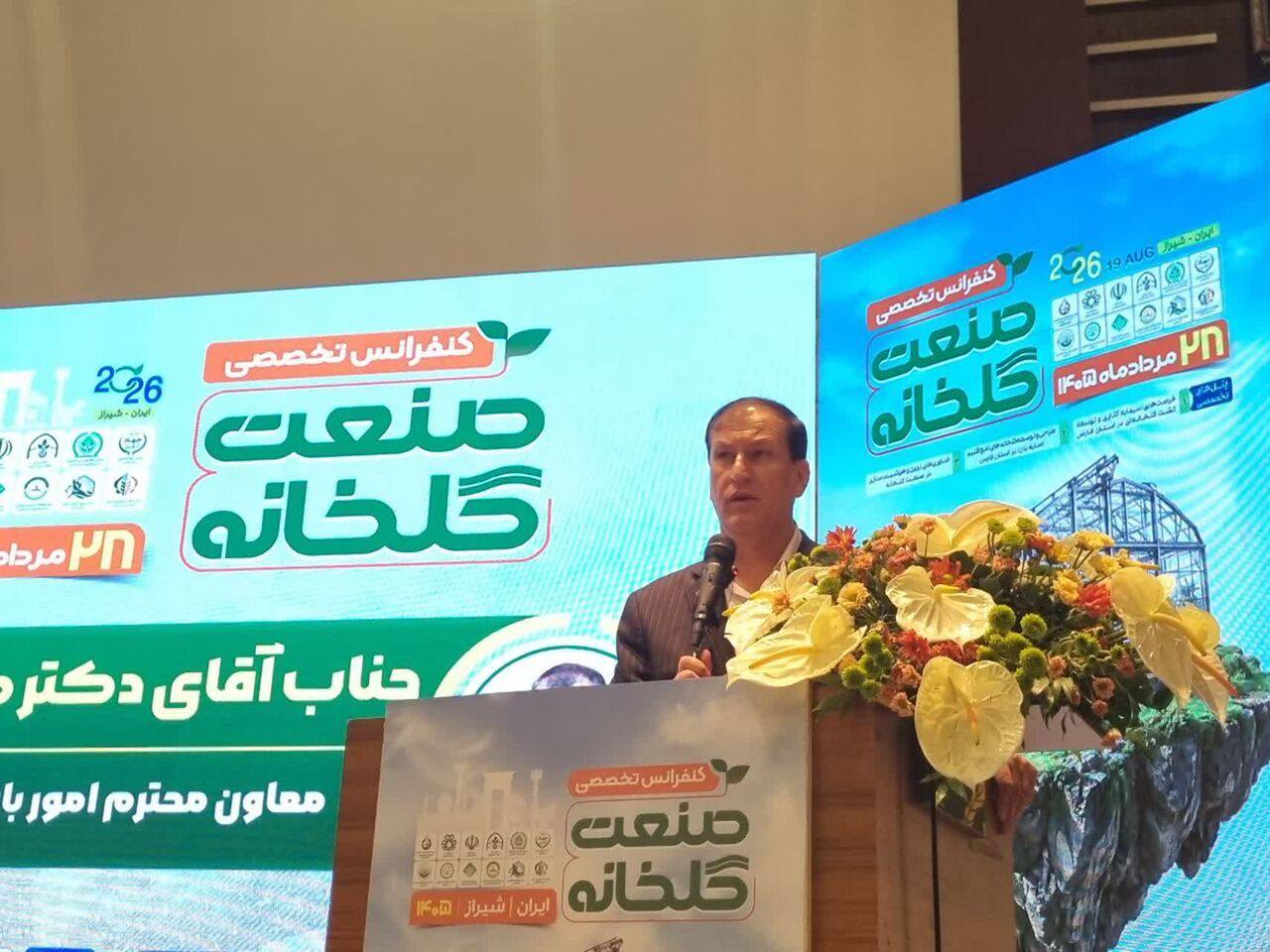
Iran has set an ambitious goal of producing 10 million tons of greenhouse crops annually, but achieving this will demand far more than just expanding cultivated area, officials and industry leaders warned at a conference in Shiraz this week.
Deputy Agriculture Minister Mohammad Mehdi Boroumandi outlined the government's push to transition from traditional farming to high-tech protected cultivation, citing active trade diplomacy and infrastructure upgrades as key enablers. Yet data from the past year reveal persistent challenges. While greenhouse exports generated $390 million, this represents only 20% of total agricultural exports—a share the ministry acknowledges is underwhelming given the sector's potential.
Pistachios, Iran's top agricultural export earner at $1.7 billion annually, faced temporary EU market restrictions last year, underscoring the vulnerability of relying on traditional commodity exports without diversified greenhouse offerings. Boroumandi stressed the need to address public concerns over food safety, noting that Iran ranks among the world's lowest consumers of chemical inputs—a competitive advantage poorly marketed abroad.
However, the more provocative message came from Ahmad Mokhtari, head of the National Greenhouse Constructors Association. In a blunt critique, he argued that "quantitative development is fruitless" and called for a paradigm shift from "building structures" to "building sustainable businesses." He warned that investors often enter the sector without answering basic questions about target markets, working capital, or return on investment—leading to costly failures.
"Greenhouse development is no longer a luxury or a symbol of modernity," Mokhtari said. "It is a strategic necessity for agricultural survival." He pointed to water scarcity, climate volatility, soaring production costs, and land shortages as forces that make efficiency non-negotiable.
Mokhtari also took aim at bureaucratic red tape, demanding shorter, more transparent permitting processes from the Ministry of Agriculture and the Engineering System Organization. "Investors should not wander for months between agencies for permits or financing," he asserted.
Quality, not price-cutting, must drive competition, he added, noting that cheaper construction often leads to heavier long-term costs due to inadequate engineering against snow, wind, and heat loads. He urged greenhouse constructors to accompany investors through all phases—design, execution, training, and operation—rather than merely selling shells.
On energy, Boroumandi acknowledged that securing reliable power and gas supplies is a "main prerequisite" for sustainable development, with government support pledged to stabilize production. He also highlighted a 12% year-on-year growth in horticulture exports and the role of universities—particularly Shiraz University—in transferring technical know-how to growers.
Both officials agreed that synergy between academia, government, and private capital is the key to unlocking export potential. Fars Province, host of the conference, ranks only eighth nationally with 600 hectares under greenhouse cultivation, despite facing acute water stress—a clear signal that regional planning must prioritize protected agriculture.
Mokhtari concluded with a sobering benchmark: "Success is not measured by hectares, but by profitable, competitive greenhouses that manage water wisely and win in global markets. That requires government facilitation, private accountability, engineering integrity, and long-term vision—not quick returns."
The ministry's policy direction appears aligned with these goals, but industry stakeholders remain watchful, demanding faster action on energy, permits, and market access to turn the 10-million-ton target from rhetoric into reality.