
Iran's non-oil exports have reached nearly $15 billion in the first five months of the current calendar year, while imports stood at $17 billion—though both figures show a 24 percent decline compared to the same period last year, according to the head of Iran's Customs Administration.
Foroud Asgari told the Tehran Chamber of Commerce that the government is prioritizing imports of essential goods and raw materials for domestic industries, while cutting back on low-priority items. Mobile phone imports, for example, have plunged by 70 percent in value, falling from 3.16 million devices to just 1 million units.
On a brighter note, car imports have surged. Some 25,000 vehicles have been cleared through customs—a 67 percent increase year-on-year.
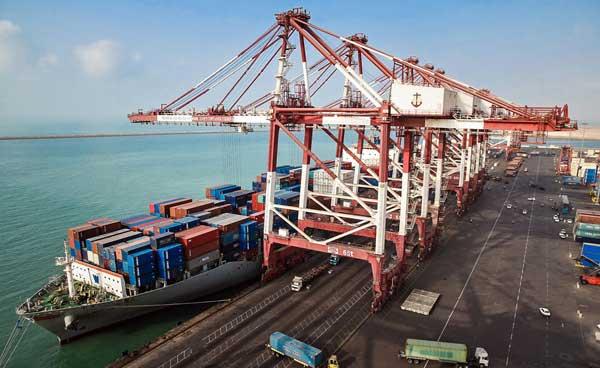
Asgari also provided an update on essential goods stockpiled at the country's ports. Of the 39 million tons of total imports, 9.5 million tons are staple commodities, with 4.5 million tons currently stored across 13 ports. Around 145,000 tons are being unloaded, while 500,000 tons remain anchored offshore awaiting clearance.
To keep trade flowing, customs has extended emergency permits until late September and introduced reform packages aimed at reducing red tape. Asgari said authorities from various agencies, including health and environmental bodies, have cooperated to resolve administrative bottlenecks. In one notable move, 6,300 cars were released without tracking codes after approvals were secured from the Supreme National Security Council and the Central Bank.
Looking ahead, customs has proposed a 30-clause package to prevent goods from being held up at borders. Under the plan, only essential health and safety checks would be conducted at entry points, with other procedures completed during transit or at destination. The proposal also calls for single, coordinated sampling for goods like wheat, rather than multiple agencies taking separate samples.
Asgari acknowledged challenges remain, including border congestion and rising transport costs, but insisted that Iran's trade infrastructure is adapting. "Customs is doing everything in its power to facilitate trade and support production," he said.