
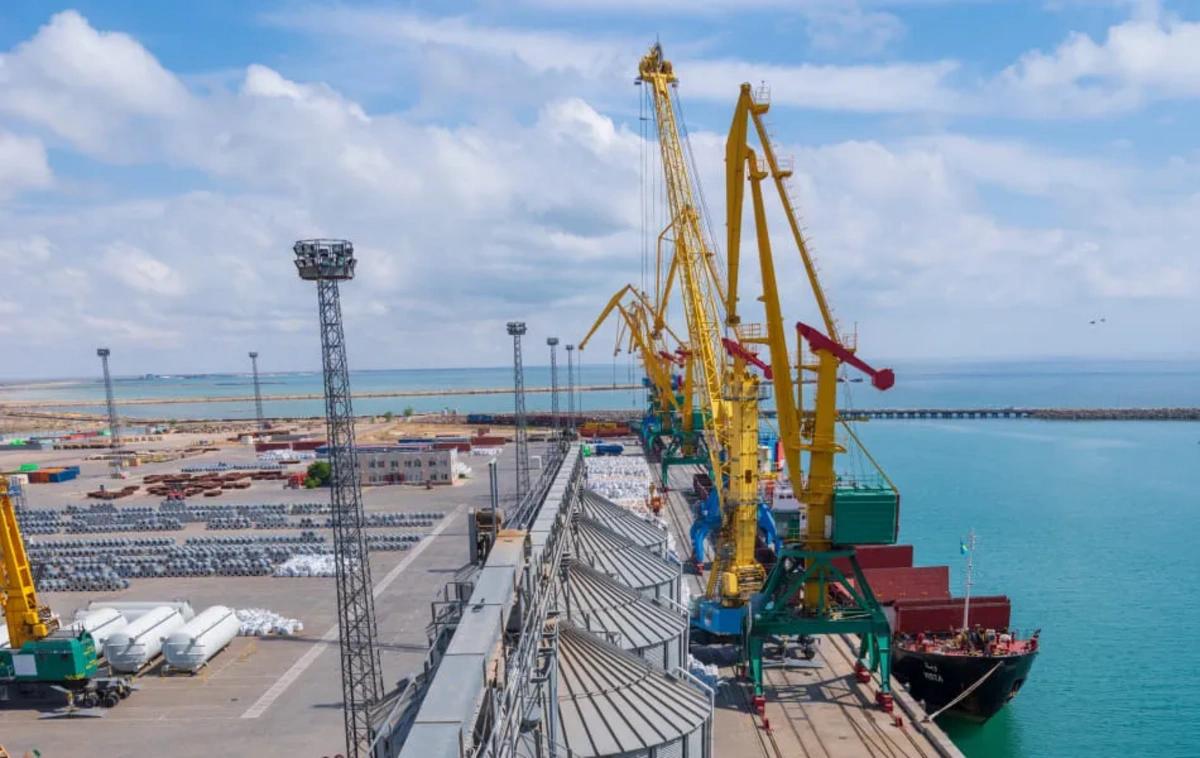
As maritime traffic through the Strait of Hormuz faces mounting geopolitical pressures, Iran is quietly executing a strategic reorientation of its trade infrastructure. Rather than succumbing to logistical bottlenecks, the country is accelerating investment in northern ports and rail networks to safeguard the flow of essential goods.
Data from the Ports and Maritime Organization (PMO) shows that cargo handling at Iran's Caspian Sea ports has risen from 18 percent to 30 percent of total port activity over the past year. The shift reflects a deliberate policy response to declining shipments through southern waterways. Mohammad Shakibi-Nasab, the PMO's managing director, confirmed that a state-backed support package has been deployed to shield private operators from the fallout, with workforce retention as a central pillar. So far, the measure appears to have stabilized employment among port-linked firms.
Meanwhile, the Trade Promotion Organization (TPO) is pushing forward with an ambitious logistics overhaul. Railway capacity has doubled year-on-year, while northern port throughput capacity has expanded by more than 60 percent, according to TPO chief Mohammad Ali Dehghan Dehnavi. Although sea lanes remain cheaper and more efficient, Iran's extensive land borders offer viable fallback options. "Alternative routes are being developed at speed," Dehnavi noted.
Complementing these infrastructure investments, the government has extended import deadlines by 180 days, enabled direct currency settlements, and streamlined order registration procedures. The Ministry of Industry, Mining and Trade is prioritizing raw material imports to keep domestic production lines running.
Challenges persist—border congestion and rising transport costs are evident in some corridors. Yet the broader trajectory is clear: Iran is building redundancy into its trade network, reducing its dependence on a single maritime choke point. The message from Tehran is one of calculated adaptation, not vulnerability.