
Iran and Armenia are exploring agricultural and livestock cooperation, with Tehran eyeing light livestock imports from Yerevan and joint border investments, as both countries seek to deepen economic ties within the Eurasian Economic Union framework.
The talks took place on the sidelines of the seventh EAEU Agricultural Policy Council meeting in Almaty, Kazakhstan, between Iran's Deputy Agriculture Minister Akbar Fathi and Armenia's Economy Minister Gevorg Papoyan.
Livestock Imports Take Priority
A central focus of the discussions was Iran's interest in importing light livestock — sheep and goats — from Armenia. With domestic meat demand rising and pasture resources under pressure, Iran sees Armenia as a viable supplier capable of helping close the supply gap.
Both sides agreed to establish specialized mechanisms to facilitate livestock trade while ensuring compliance with health and veterinary standards. Armenian pasture capacities were identified as a key asset for expanding cooperation in animal husbandry and livestock production.
Border Investments and Greenhouse Expansion
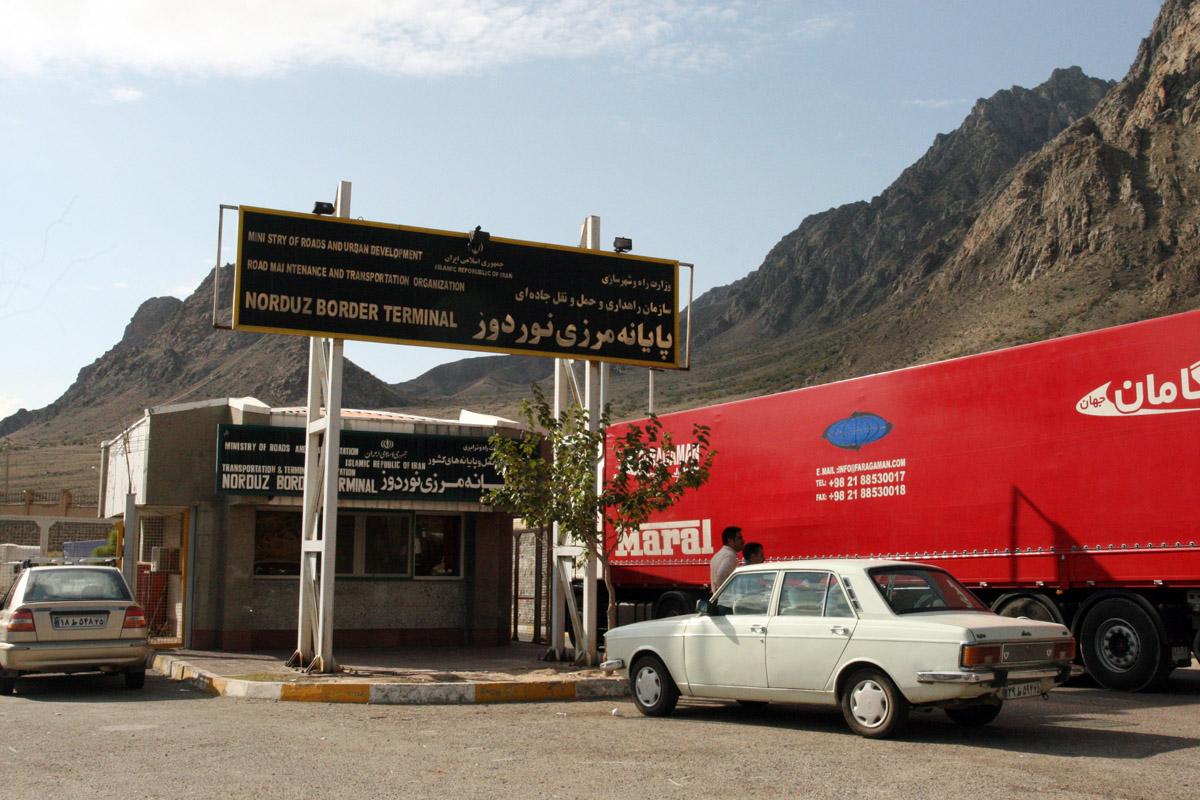
Joint investment at border points, particularly "zero-border" locations, emerged as another priority. Officials emphasized identifying agricultural and economic capacities in frontier regions and creating conditions for private-sector participation in joint production ventures — a move expected to boost cross-border trade and strengthen regional economic linkages.
Greenhouse cultivation also featured prominently in the negotiations. Both sides reviewed opportunities for investment in greenhouse units and potential knowledge-sharing between Iranian and Armenian agricultural specialists. Armenia's relatively cooler climate and Iran's greenhouse technology expertise were cited as complementary advantages.
Agricultural Diplomacy Gains Momentum
The meeting is part of Iran's broader push to strengthen agricultural diplomacy with EAEU member states. For Armenia, closer ties with Iran offer access to a large consumer market and potential transit routes to the Persian Gulf and beyond.
Both officials committed to continued follow-up on the discussed issues — including livestock trade facilitation, joint investment frameworks, greenhouse development, and activation of border zone capacities — with the aim of converting political goodwill into tangible economic outcomes.