
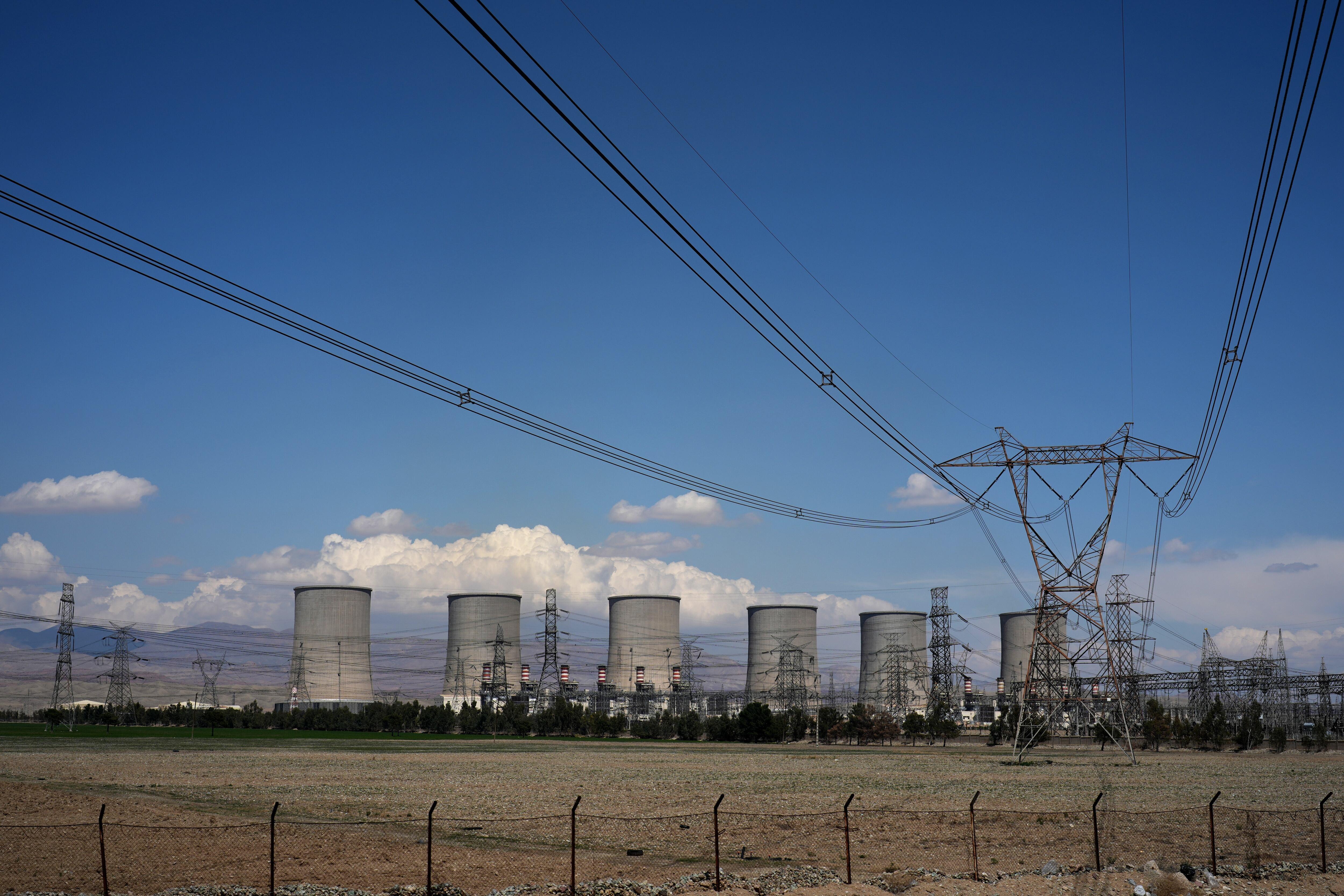
Iran's thermal power sector has added 2,028 megawatts of new generation capacity, reaching 75 percent of the 2,709-megawatt target set for the current calendar year (began on March 21), officials announced on Sunday.
The milestone comes despite seven months of war-related disruptions and fuel supply constraints, underscoring the resilience of the country's energy infrastructure. Ruhollah Esfahani, Deputy for Project Development at the Thermal Power Generation Company, confirmed that no development projects were suspended during the period, with an average of 1,000 workers deployed daily across 23 to 24 active construction sites.
Among the key projects brought online is the 183-megawatt gas unit at Neka Power Plant, which was commissioned in just 99 days. The 345-megawatt steam unit at Rudshur—the largest combined-cycle steam unit in West Asia at this scale—achieved 58 percent efficiency and is expected to save over 700 million liters of fuel annually. The commissioning of steam units at Asaluyeh and Ferdowsi power plants completed an 18-unit package under a 3,000-megawatt contract.
In a first for the country, a 5.4-megawatt geothermal plant on Sabalan's slopes is now operational, capable of continuous supply for 95 percent of the year.
Masoud Moradi, Deputy for Production Operations, reported that thermal plants comprise over 93 percent of Iran's 101,366-megawatt installed capacity. Despite winter fuel shortages and war-related disruptions, maintenance backlogs were largely cleared, achieving a record 98.8 percent readiness rate during peak demand and reducing emergency outages to 1.2 percent.
Two additional units—a 300-megawatt combined-cycle steam unit and a 183-megawatt gas unit—are expected online soon, adding another 490 megawatts. Moradi called on the public to assist in consumption management during the remaining hot weeks.