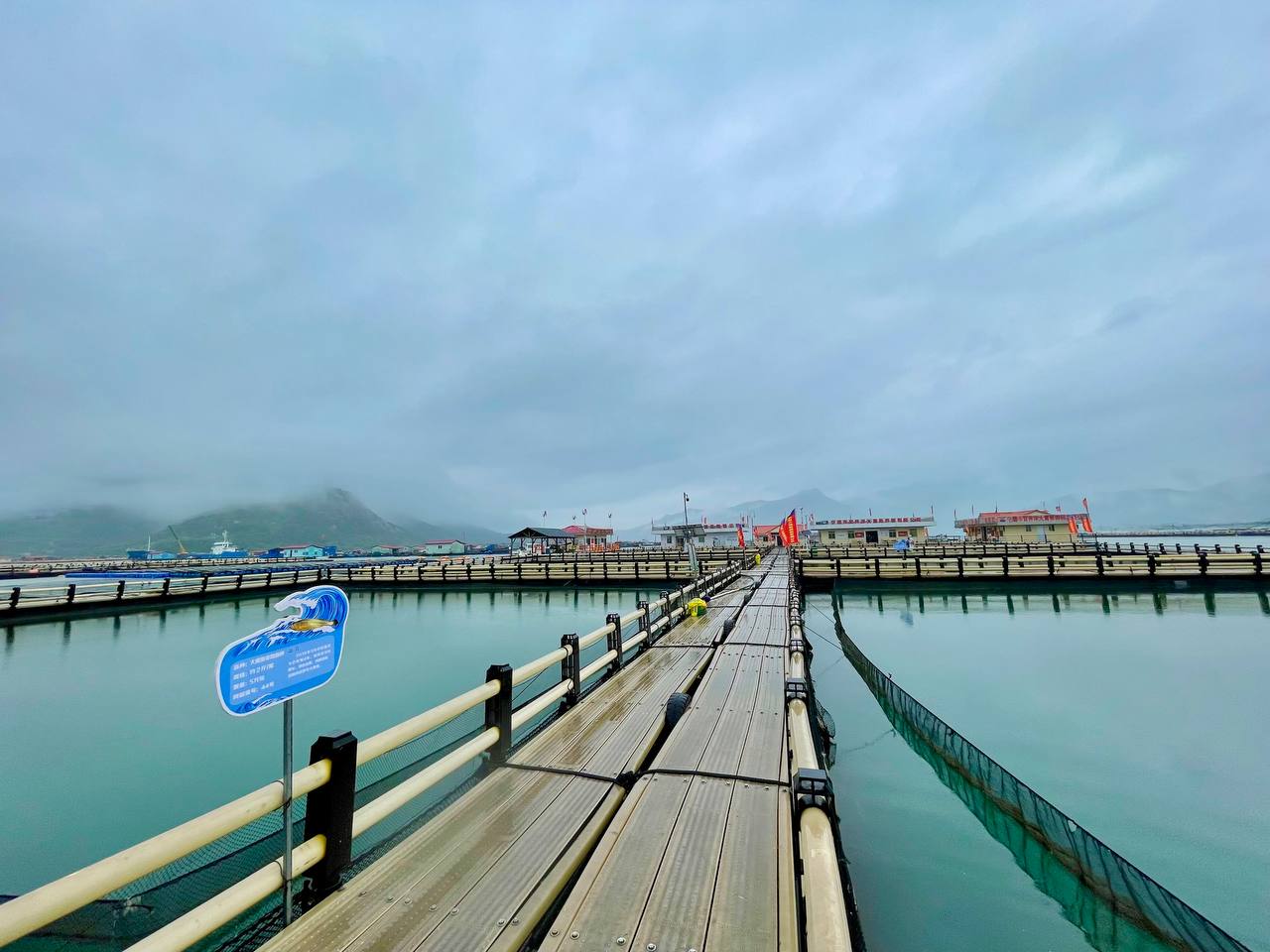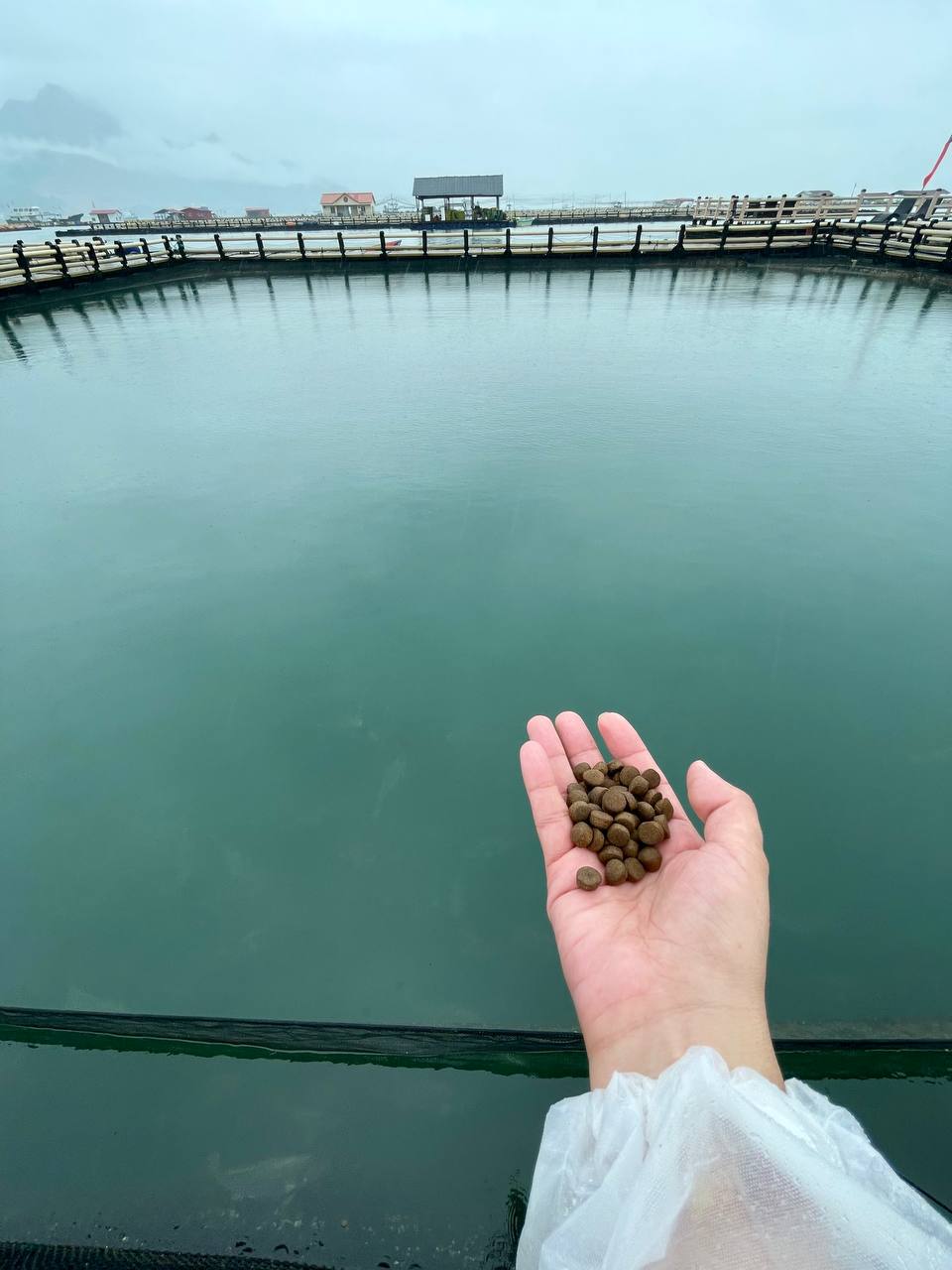
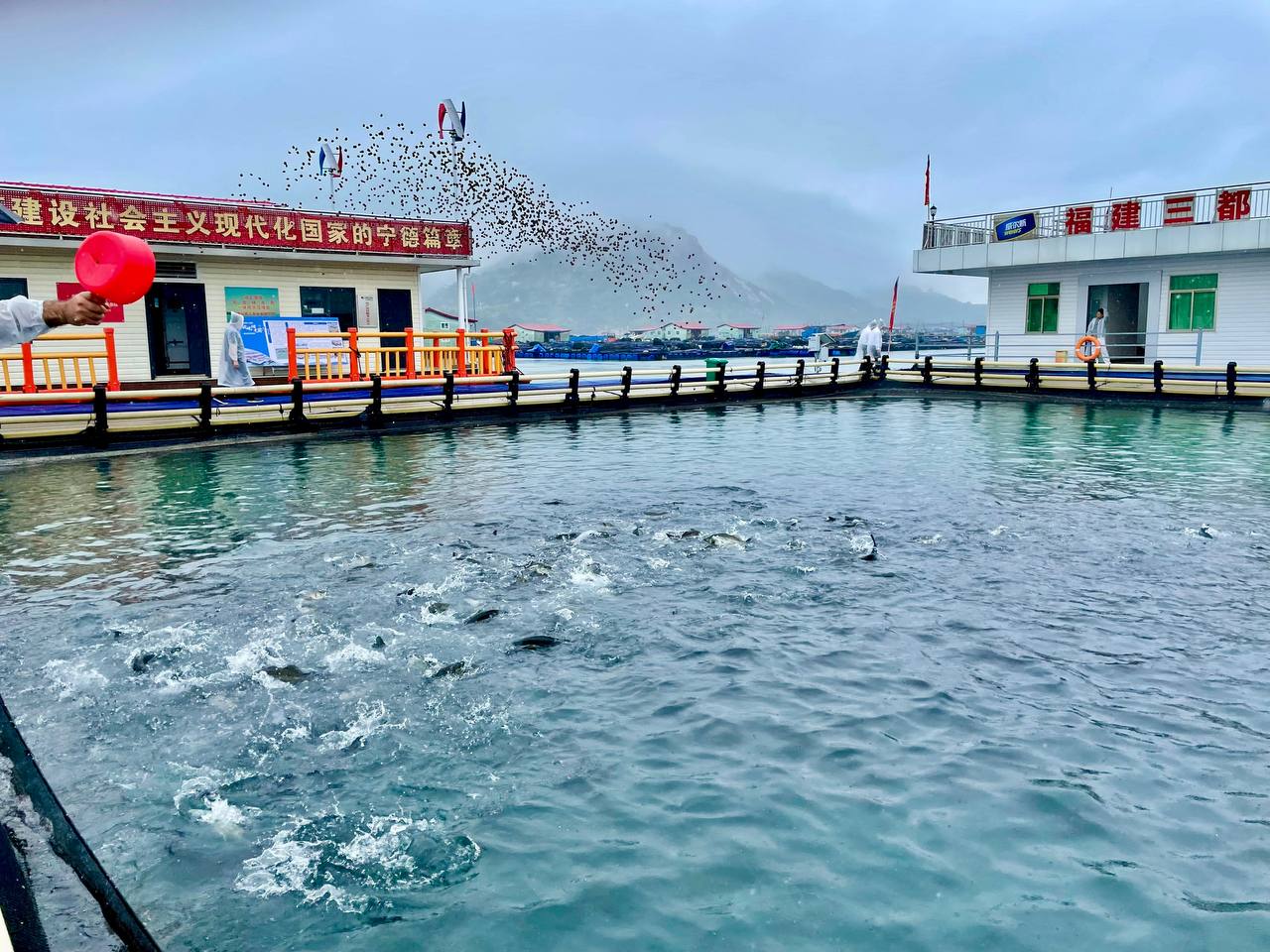
In May 2024, I joined a delegation of Asian journalists on a visit to Sandu'ao Port in Ningde, Fujian Province. What unfolded before us was not merely a large-scale fish farm but a fully integrated, technology-driven marine industrial complex. Two years on, that observation has crystallized into a compelling case study—one with direct relevance for Iran's underutilized fisheries sector.
China's rapid ascent in marine aquaculture offers more than inspiration; it provides a replicable framework. For Iran, which boasts extensive coastlines along the Persian Gulf and Sea of Oman yet remains a marginal player in global seafood production, the Ningde experience demands close examination. The question is not whether Iran can modernize its aquaculture, but how swiftly it can adopt the pillars of China's success: infrastructure modernization, renewable energy integration, and value-chain expansion.
Infrastructure Overhaul: The Plastic Revolution
Sandu'ao Bay has long been ecologically suited for the large yellow croaker, a high-value species. Yet it was a deliberate policy intervention in 2018—not geography alone—that propelled the region to national prominence. Ningde city authorities mandated a comprehensive replacement of obsolete wooden cages and foam floats with durable, eco-friendly plastic alternatives and advanced floating platforms. In total, 1.427 million farming units were reorganized or upgraded, establishing a standardized, resilient marine infrastructure.
Policy implication for Iran: The southern coastal provinces—Hormozgan, Bushehr, and Khuzestan—possess analogous ecological conditions. The initial step is not technological innovation but regulatory will: phasing out traditional materials in favor of domestically manufactured plastic cages, paired with zoning reforms to rationalize coastal space.
Energy Integration: Decarbonizing Production
Perhaps the most forward-looking element of Ningde's model is its embedded energy strategy. In collaboration with CATL, a global leader in battery technology, local authorities deployed a microgrid system that integrates vertical and horizontal wind turbines, floating photovoltaic panels, and rooftop solar arrays. This hybrid installation generates 280,000 kWh of clean electricity annually and reduces CO₂ emissions by 244 tons. Battery storage further ensures uninterrupted power—critical for oxygenation systems that operate around the clock.
Policy implication for Iran: Energy scarcity and frequent outages in southern coastal areas currently constrain aquaculture expansion. Floating solar farms and small-scale offshore wind turbines represent not futuristic ideals but commercially viable solutions already proven in China. Pilot projects in Bushehr or Chabahar could demonstrate both economic and environmental returns within a single investment cycle.
Economic Multipliers: From Local Catch to National Industry
The Ningde transformation has generated quantifiable macroeconomic impact. In 2025, the large yellow croaker sector surpassed 20 billion yuan (approx. $2.9 billion) in value, with annual output exceeding 222,000 tons. Remarkably, eight out of every ten large yellow croakers consumed in China originate from this single region.
Equally significant is the geographic scalability of the model. Through the Fujian-Ningxia partnership, the same species is now successfully farmed in land-based, climate-controlled systems in the Helan Mountains—over 2,000 kilometers from the sea. Automated feeding, water quality sensors, and temperature regulation make this possible.
Policy implication for Iran: Aquaculture should not be viewed solely as a coastal activity. With appropriate technology, inland provinces—particularly those with access to brackish water or abandoned agricultural lands—could participate in production, reducing regional disparities and diversifying the national food basket.
The creation of a full value chain—hatcheries, feed production, processing, cold storage, and export logistics—would multiply employment far beyond the farm gate.
Strategic Takeaways for Iran’s Maritime Economy
Based on direct observation and subsequent research, three enabling factors underpin the Ningde success:
1. Policy continuity – Reforms initiated in 2018 have been sustained through successive planning cycles, providing investor confidence.
2. Technology absorption – From cage materials to microgrids, technology adoption has been systematic rather than piecemeal.
3. Institutional collaboration – Public utilities, private corporations, and research institutes operate within a coordinated framework.
Iran's competitive advantages—access to two seas, a domestic market of over 85 million consumers, and a growing knowledge-based sector—remain largely latent. The Ningde blueprint offers a pragmatic, phased pathway. Pilot projects, initially focused on one or two southern provinces, could generate localized data, build technical capacity, and attract private investment.
The transformation of Ningde did not occur overnight. But with strategic planning and disciplined execution, Iran can chart its own course toward a sustainable, productive, and internationally competitive marine aquaculture industry. The sea is not a barrier—it is an opportunity waiting for infrastructure, energy, and vision to align.