
In the crowded landscape of international diplomacy, it is rarely bricks and mortar that capture the imagination. Yet across Tehran today, a quiet but promising shift is taking shape—one that has less to do with geopolitics and everything to do with rooftops, rent books, and the dignity of a stable home.
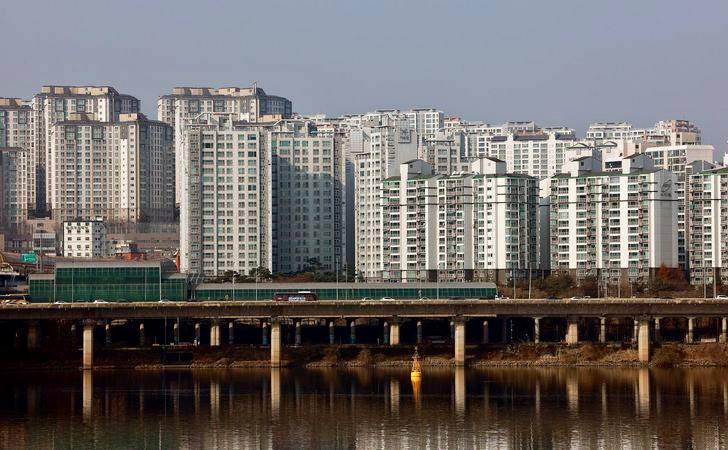
South Korea did not arrive at its rental housing prowess overnight. Decades of deliberate state intervention have turned Seoul from a crowded capital into a global benchmark. The numbers tell one story—public housing share more than doubling to over 11% in just 14 years, and ambitious plans to drop nearly 37,000 new rental units onto the market next year—but the real narrative lies in the nuance. From youth-centric "Happy Housing" to cooperative models that undercut market rates by a fifth, Korea has refused to accept that housing is a one-size-fits-all problem.
For Iran, as it navigates its own urban challenges, this is no distant admiration—it is a tangible source of hope. At the center of this emerging partnership is Ambassador Kim Junpyo—not a distant envoy, but a persistent advocate. Over the past year, he has shuttled between Iranian ministries, convened delegations, and secured agreements for five joint projects, with housing sitting firmly at the top of the list. A seminar is in the works. Korean experts have already presented models in Tehran. And Iran's Supreme Housing Council has begun to act, approving a modest rental program for first-time buyers.
What makes this exchange noteworthy is not its scale but its spirit. Housing policy is seldom considered a gift between nations. Yet through Ambassador Kim's sustained engagement, South Korea is offering something rarer than aid: expertise earned through trial, error, and renewal. For Iran, that blueprint may prove as valuable as any treaty—and far more tangible.
In a world of grand gestures, it is worth remembering that sometimes, the most enduring diplomacy begins at the front door.