
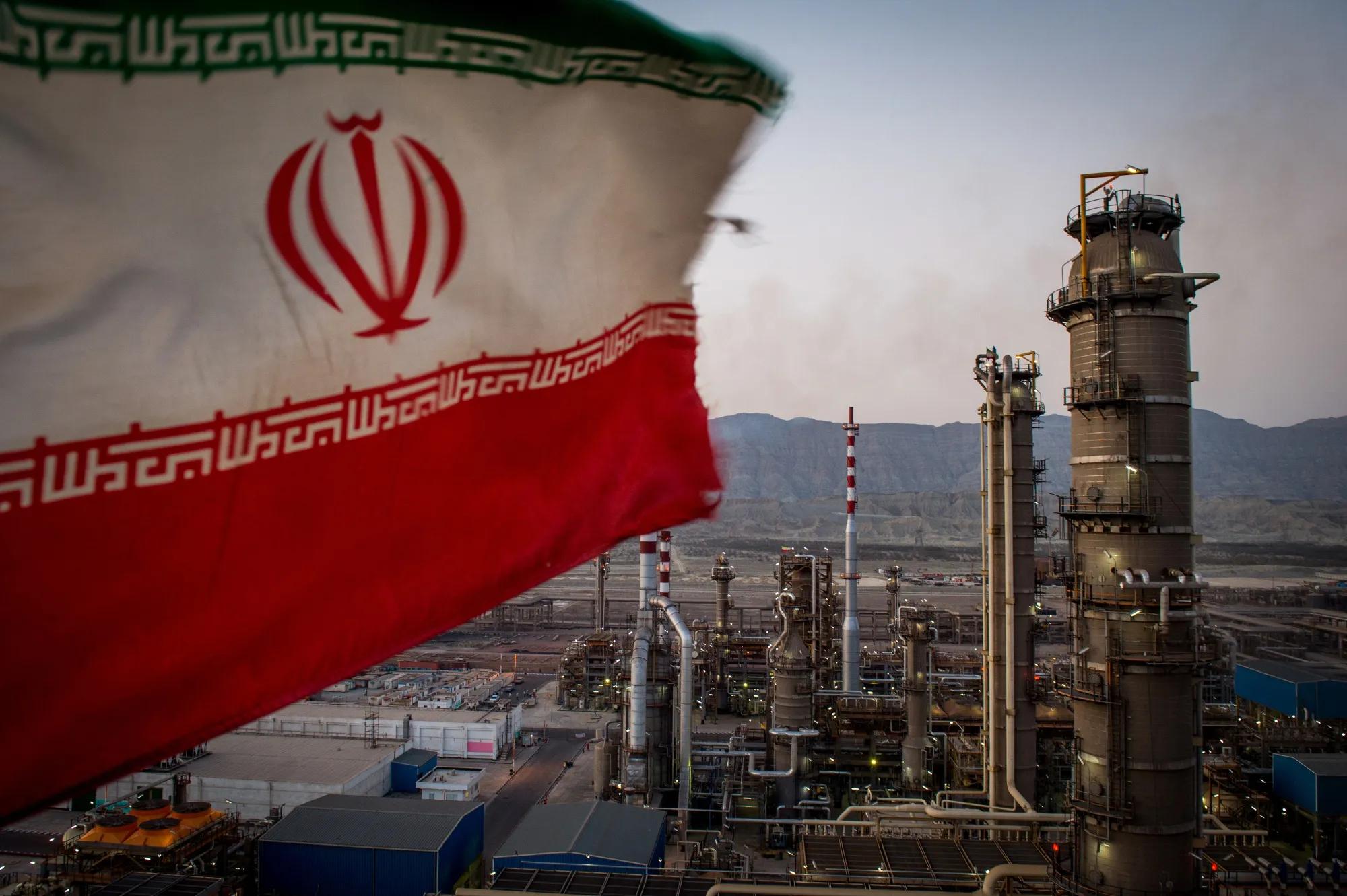
Iran added 26,000 barrels per day to its crude production in July, inching up to 2.478 million bpd, according to secondary sources cited in OPEC's latest monthly report. The modest rise from June's 2.451 million bpd comes as the wider producer group grapples with a softening price environment that is beginning to test the cohesion of the OPEC+ alliance.
While Tehran's uptick is statistically marginal, it reinforces a broader trend of supply resilience among West Asian producers. Saudi Arabia continues to anchor the cartel with a hefty 7.352 million bpd, while Iraq holds second place at 2.621 million bpd. Collectively, OPEC's 13 members pumped 23.632 million bpd in July—a month-on-month surge of 1.659 million barrels daily, driven largely by the easing of earlier voluntary cuts.
Yet the price signals tell a more cautionary tale. Iran's heavy crude grade lost nearly $9 over the month, sliding from $90.77 to $82.07 a barrel, while the broader OPEC basket mirrored the descent, shedding $6.76 to settle at $82.99. The drop underscores growing market anxiety over demand resilience, even as OPEC's own economists project a relatively sanguine outlook.
In its forward-looking assessment, the secretariat forecasts global oil demand to expand by roughly 600,000 bpd in 2026 to 105.74 million bpd, before accelerating more decisively in 2027 with a projected 2.2-million-bpd increase—a figure that has been revised upward from earlier estimates. For Iran, and indeed for all OPEC members, the balancing act between volume and value remains as delicate as ever.