
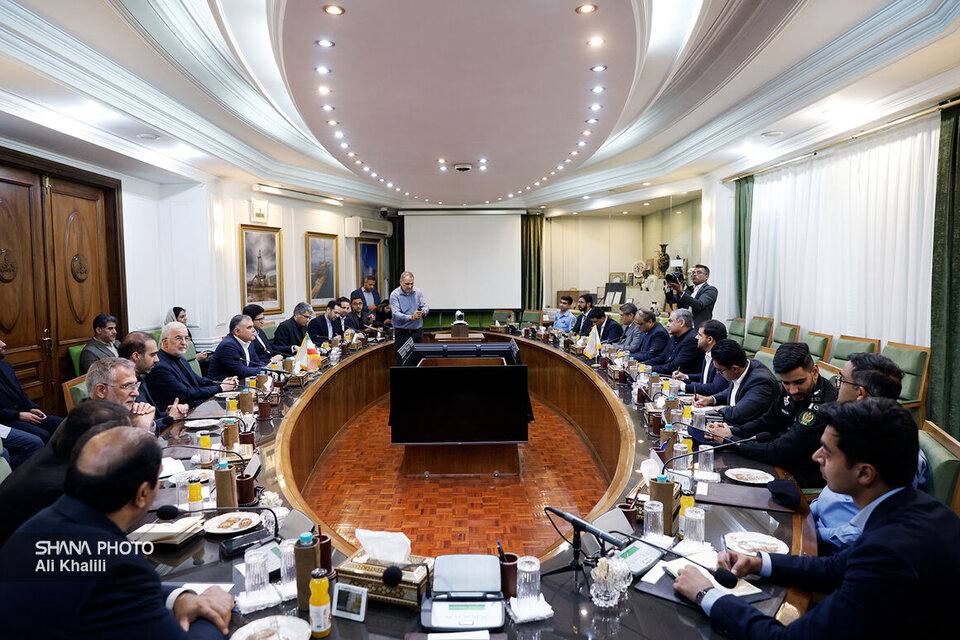
Iran and Pakistan have pledged to significantly expand economic and energy cooperation, with top officials meeting in Tehran to chart a path toward ambitious new trade targets.
Oil Minister Mohsen Paknejad held talks with Pakistan's Interior Minister Syed Mohsin Raza Naqvi at the Oil Ministry headquarters, where both sides emphasized the vast potential for collaboration in the energy sector and beyond. The discussions come on the heels of President Masoud Pezeshkian's June visit to Islamabad, where he called for Tehran-Islamabad relations to be "strengthened in practice and implementation."
Pakistan's Prime Minister Shehbaz Sharif had previously set a bold vision during that visit, declaring that the two nations should aim for $30 billion in annual trade — a dramatic increase from the earlier $10 billion target.
Working Groups to Drive Energy Cooperation
Paknejad announced the formation of specialized working groups tasked with following up on major energy agreements. These expert teams will travel between Tehran and Islamabad to finalize discussions on petroleum product exchanges and other areas of mutual interest.
Highlighting the strategic advantage of their shared land border, the Oil Minister noted: "This border can be utilized as one of the important advantages in the field of energy carrier exchanges."
Pakistan, Paknejad explained, has expressed clear demand for petroleum products that Iran can supply, and Tehran is ready to meet those needs where export capacity exists.
Gas Pipeline Talks Revived
The longstanding Iran-Pakistan gas pipeline project — a topic of intermittent discussions for years — was also raised during the meeting. While details remain to be negotiated, both sides agreed that expert-level consultations would continue through the newly formed working groups.
For Pakistan, energy cooperation with Iran offers a solution to persistent power shortages. For Iran, expanded trade with its eastern neighbour provides a vital outlet for its energy exports and strengthens regional economic integration.
With political will evident on both sides and expert teams set to meet shortly, the question now is whether these ambitious targets can translate into tangible results on the ground.