
In a significant diplomatic push, Iran has signaled its intent to transform bilateral economic relations with China, moving beyond routine trade exchanges toward deeper strategic partnerships, joint investments, and integrated value chains — a shift that could reshape the economic dynamics between the two longtime allies.
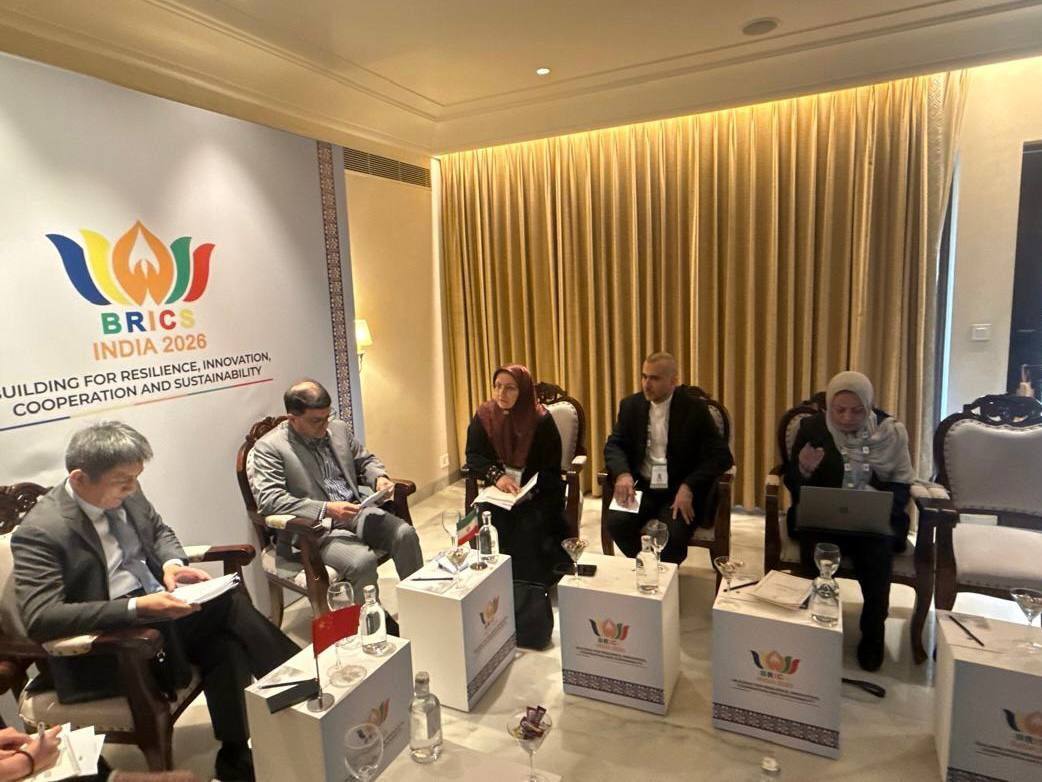
During a high-level meeting, Mohammad Sadegh Mofatteh, Iran's Deputy Minister of Industry, Mining and Trade, met Li Chenggang, China's international trade representative with full ministerial rank, for wide-ranging talks that covered everything from industrial collaboration to transit infrastructure and exhibition cooperation.
Mofatteh stressed that the current level of economic interaction falls far short of the vast untapped potential between the two nations. "We are ready to elevate bilateral cooperation from trade exchanges to strategic partnerships, joint investment, and value chain development," he stated, emphasizing the need to harness mutual capacities.
A centerpiece of the discussions was the long-pending revision of the 1991 Iran-China commercial agreement. According to Mofatteh, the updated text has now been finalized after multiple rounds of expert-level negotiations and is ready for signing. Both sides agreed to set a suitable date for the ceremony and to begin implementing the mechanisms outlined in the revised accord.
In an unexpected twist, Mofatteh floated a trilateral proposal — the "Comprehensive Tripartite Cooperation Plan of Iran, China, and Pakistan" — designed to leverage the complementary strengths of the three countries in trade, transport, logistics, investment, and finance. He described it as a preliminary framework for joint study, signaling Iran's ambition to position itself as a regional hub connecting South and Central Asia.
The talks also touched on industrial cooperation, with Mofatteh calling for a decisive shift toward joint production and technology transfer in critical sectors: mining, petrochemicals, automotive, machinery, renewable energy, batteries, pharmaceuticals, and knowledge-based industries. He urged Chinese partners to ensure stable supplies of essential goods, raw materials, and equipment, proposing long-term contracts and emergency mechanisms to protect Iran's supply chains.
The Iran-China railway corridor emerged as another strategic priority. Mofatteh advocated for scheduled train services, preferential tariffs, and the development of logistics hubs, dry ports, and container terminals. He also suggested exploring complementary routes through Central Asia and Afghanistan to cut transit costs and times while strengthening Iran's position as a regional transit gateway.
Finally, Mofatteh extended an invitation for Iran to participate as the "Honorary Guest" at the China International Import Expo (CIIE 2026), describing exhibition cooperation as an effective tool to deepen economic interaction and mutual understanding between the two business communities.
The meeting reflects Iran's broader strategy to deepen its reliance on eastern partners amid Western sanctions, while China appears receptive to expanding its economic footprint in a region central to its Belt and Road ambitions.