
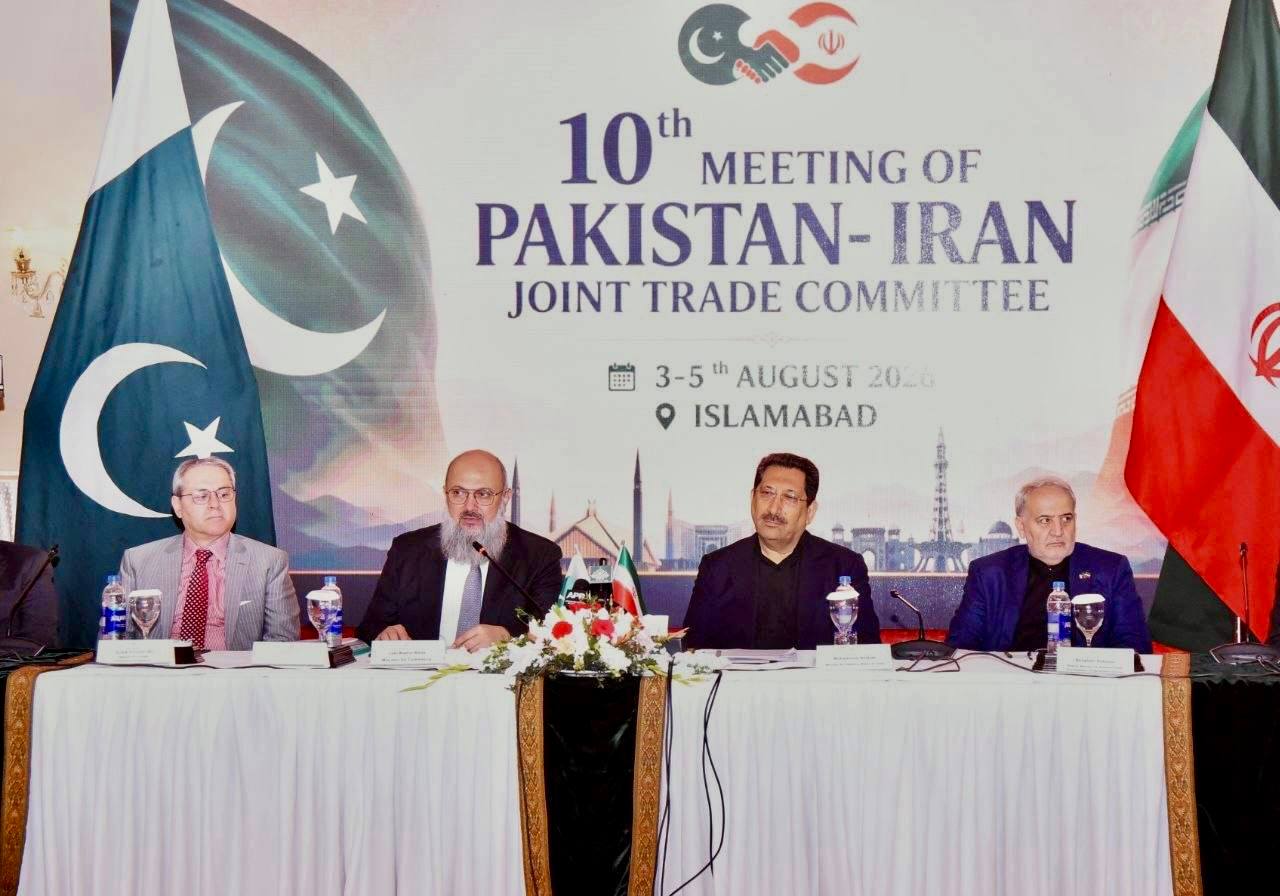
Iran and Pakistan have taken concrete steps toward unlocking billions in untapped trade potential, as the 19th session of the Joint Trade Committee convened in Islamabad with high-level officials from both sides pushing for a Free Trade Agreement and urgent resolution of transit bottlenecks.
The two-day meeting, co-chaired by Iran's Minister of Industry, Mining and Trade, Seyyed Mohammad Atabak, and Pakistan's Commerce Minister, Jam Kamal Khan, marks the most comprehensive bilateral trade negotiation in recent memory. The agenda spans 19 key pillars, including finalization of a long-awaited FTA, establishment of barter mechanisms, and removal of logistical hurdles at ports and border crossings.
Current Trade Volume and Ambitious Target
Bilateral trade currently stands at approximately $3 billion annually. However, both ministers have expressed confidence that this figure can more than triple to $10 billion within a year—provided that outstanding obstacles are systematically addressed.
Minister Atabak emphasized that Iran's strategic policy prioritizes comprehensive cooperation with neighboring countries, particularly Pakistan. He noted that diversifying supply chains and sourcing essential goods—including rice, meat, and agricultural products—from Pakistan would benefit both economies.
Pakistan's Commerce Minister Khan declared: "We are determined to finalize the Free Trade Agreement between Pakistan and Iran. The time has come, and our common roadmap for greater trade must be operationalized."
Port and Transit Challenges Take Priority
A critical item on the agenda is the resolution of issues affecting Iranian containers at Karachi Port. Following the naval blockade imposed against Iran, a portion of containers were diverted to Karachi, resulting in cargo delays, changes to bills of lading, and mounting demurrage costs.
Atabak has called for urgent action on permits for maritime transfer, waiver of warehousing fees, and streamlined customs clearance procedures. He stressed that resolving these issues would strengthen the position of Pakistan's ports—Karachi, Qasim, and Gwadar—in regional trade.
The minister also raised concerns about excessive waiting times at the Mirjaveh-Taftan border terminal, noting that a sharp decline in traffic in recent days requires immediate review.
Private Sector Engagement
Complementing government negotiations, a trade delegation from the Iran Chamber of Commerce, headed by Vice President Hossein Pir-Moazen, has arrived in Islamabad. The delegation includes representatives from food industries, agriculture, transportation, energy, automotive, polymer, and petrochemical sectors.
Meetings with the Islamabad Chamber of Commerce and participation in the Iran-Pakistan Business Conference at the Federation of Pakistan Chambers of Commerce and Industry are scheduled.
Four Working Groups and Regional Implications
The JTC sessions are structured around four specialized working groups: trade, transportation and customs, free zones, and the Free Trade Agreement. Technical meetings began a day prior to the formal opening.
Beyond bilateral benefits, enhanced Iran-Pakistan cooperation carries strategic significance for regional trade. Improved transit routes could position both countries as pivotal nodes in East-West corridors, connecting European and Asian markets. Pakistan's ports could serve as complementary routes for Iranian re-exports and regional raw material supplies.
As the 19th Joint Trade Committee continues with a closing ceremony scheduled for Wednesday, expectations for tangible outcomes remain high. Both sides have demonstrated genuine political will to transform their economic relationship from untapped potential into a dynamic partnership. The $10 billion target, officials say, is not aspirational but realistic—grounded in shared determination to build a prosperous economic future together.