
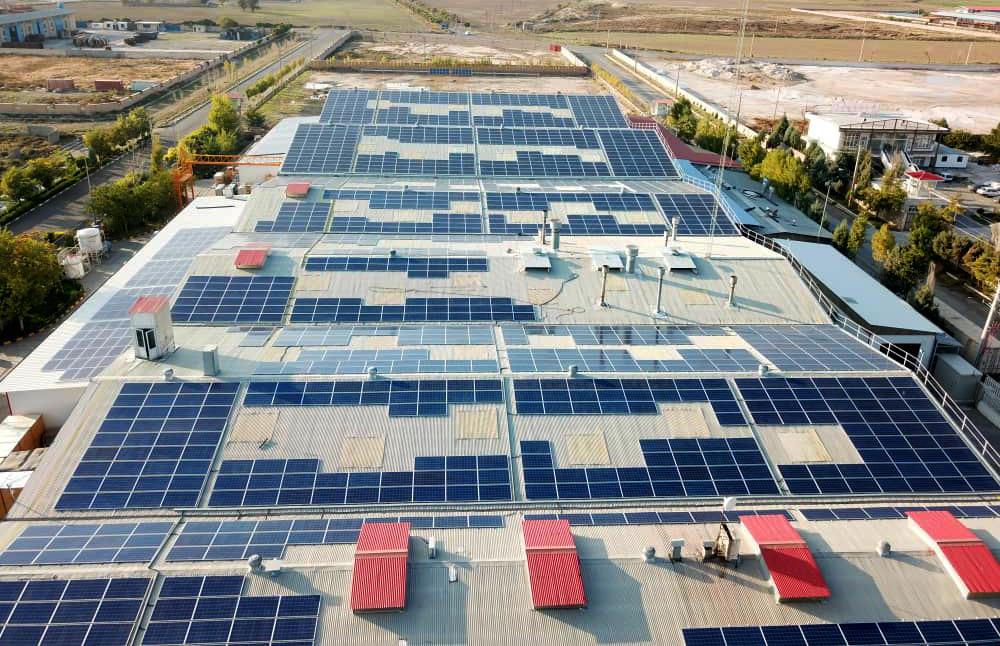
Iran is accelerating its push into decentralized renewable energy, with officials highlighting the dual benefits of grid efficiency and investor returns as the country sets its sights on 12,000 megawatts of green power capacity by March 2027.
Speaking at a briefing, Reza Fattahi, Director General of the Office for Attracting Public Participation in Renewables at SATBA, outlined the economic and technical case for small-scale and distributed power plants. According to Fattahi, the key advantages include on-site electricity generation, reduced transmission losses, strengthened passive defense, and tangible profitability for project backers.
"The introduction of new business models—particularly aggregation schemes, energy exchange platforms, and the 'green board' mechanism—can significantly boost the investment appeal of this sector," Fattahi said. "These instruments are designed to lower entry barriers and unlock broader public participation."
The official noted that nearly 700 megawatts of demand have already been registered for distributed generation projects, reflecting growing private sector appetite. Small plants, he added, complement large-scale farms and offer faster grid integration, making them a practical pathway to achieving the national target.
However, Fattahi cautioned that realizing the 12 GW goal hinges on several critical factors: securing adequate financing, controlling capital expenditures, managing currency volatility, and enhancing fiscal incentives through guaranteed feed-in tariffs, green board trading, and aggregation frameworks.
With Iran's energy landscape at a turning point, industry watchers view the small-scale solar segment as a promising frontier for both domestic and foreign investors—provided that regulatory and financial risks are adequately addressed.