
The Tehran Chamber of Commerce, Industries, Mines, and Agriculture (TCCIMA) has called for meaningful private sector participation in shaping the governance model for the strategic Strait of Hormuz, warning that current policy-making processes overlook the economic potential of one of the world's most critical waterways.
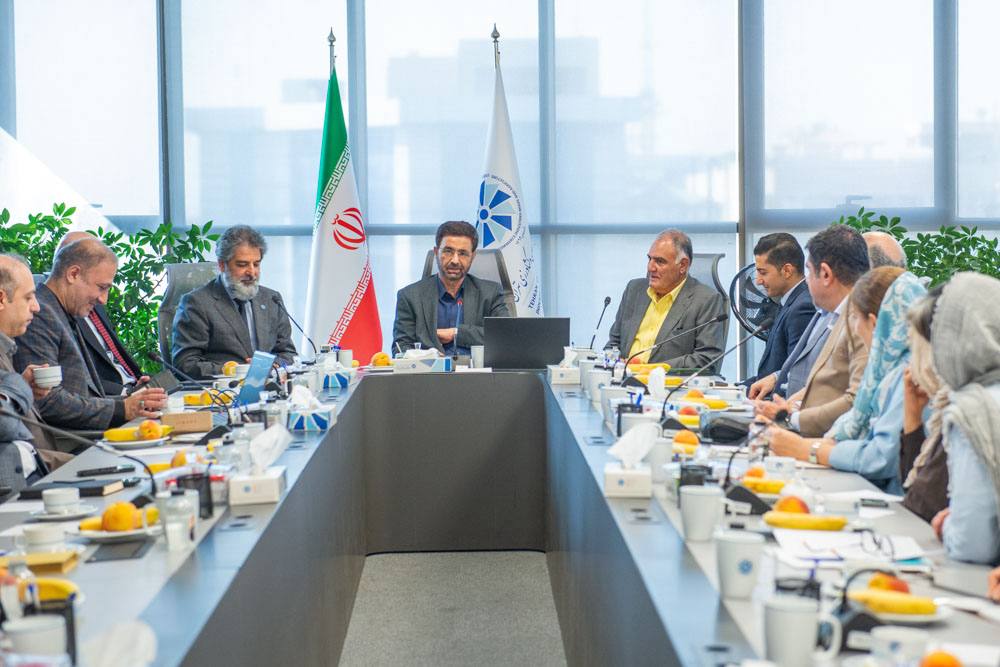
At the 12th meeting of TCCIMA's Corporate Governance Committee, attended by Parliament's National Security and Foreign Policy Committee member Fada Hossein Maleki, participants stressed that the Strait of Hormuz is far more than a security or military concern — it is an economic lifeline whose management directly impacts Iran's trade, investment, and regional standing.
Committee head Hassan Forouzanfar opened the session by reminding attendees that regional developments, particularly in the Persian Gulf, inevitably ripple through the domestic economy. "More than 100,000 chamber members operate across various economic sectors," he noted, "and decisions made about this waterway will directly or indirectly affect their performance."
Beyond Security: An Economic Asset
Expert Davoud Khani presented a sobering assessment: the Strait handles a significant portion of global energy shipments and agricultural inputs, making any disruption a threat to transportation costs, insurance rates, supply chains, and international trade flows. Khani outlined three possible scenarios — continued fragility, escalated tensions, or broader regional agreements — each requiring distinct private sector responses.
Parliamentarian Maleki echoed this urgency, arguing that Iran's unique geography — access to open waters, proximity to 15 neighbors, and position on historic trade routes — remains underutilized. He called for a clear division of responsibilities: government for policy and regulation, private sector for investment and innovation, and specialized institutions for expert backing.
Domestic Reforms and Regional Strategy
Diako Hosseini, TCCIMA's deputy for economic studies, highlighted that not all obstacles are external. "Reforming administrative processes, cutting redundant regulations, and facilitating regional trade" are entirely within domestic control, he said, adding that a joint project with the Vice Presidency for Strategic Affairs is already identifying border-crossing bottlenecks.
Other speakers emphasized local community involvement, environmental sustainability, and the need for a comprehensive policy package to guide businesses through uncertain times. Maleki revealed that 13 parliamentary proposals on Hormuz governance are under review, with a special committee now consolidating them into a final framework.