
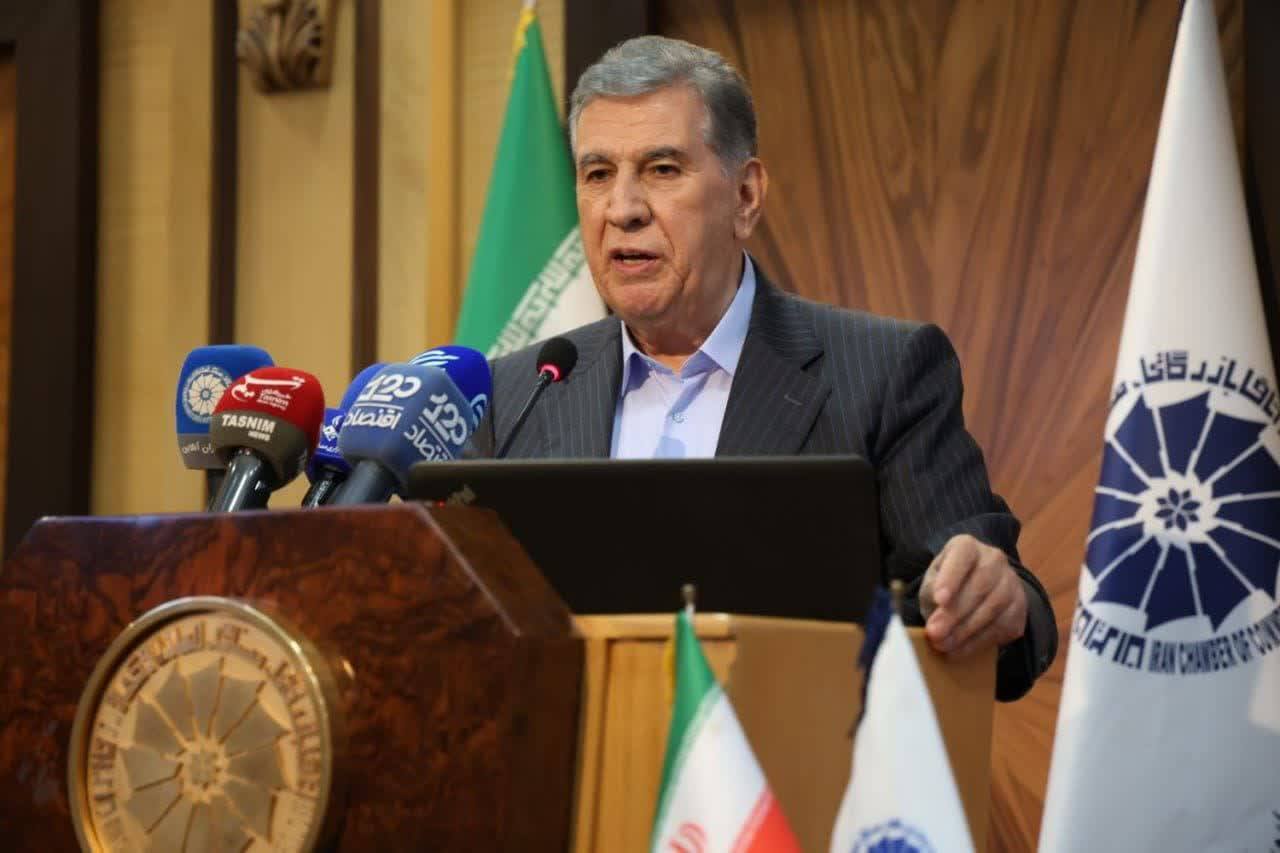
Iran's private sector is stepping up with a proactive crisis-response strategy as the Iran Chamber of Commerce, Industries, Mines and Agriculture (ICCIMA) finalizes a comprehensive "War Damage Management Package" to safeguard the economy against escalating geopolitical pressures.
Chamber president Samad Hassanzadeh announced that the blueprint—crafted by the chamber's special economic headquarters—will be submitted to the heads of the three branches of government and the Supreme National Security Council within days. He expressed confidence that the package would receive the necessary legal and executive backing, describing it as a practical roadmap for minimizing disruption while preserving the country's production base.
While strongly condemning hostile actions along the southern coastal provinces—including Hormozgan, Bushehr, Khuzestan, and Sistan-Baluchestan—Hassanzadeh struck a constructive note, affirming the chamber's full support for any measured de-escalation efforts that uphold national authority. "Peace and security are the bedrock of investment and growth," he said, adding that the chamber stands ready to collaborate on any initiative that protects both sovereignty and economic stability.
Acknowledging that initial post-war support measures were drafted without private-sector input, Hassanzadeh emphasized that the chamber has now filled that gap by establishing a dedicated economic headquarters comprising four working groups—enterprise resilience, supply chain continuity, trade and currency, and legal-international affairs. Their coordinated work has produced a balanced package that addresses both immediate relief and long-term recovery.
On currency management, he reiterated the importance of transparent repatriation of export revenues through the Central Bank, framing it not as a constraint but as a necessary channel to keep liquidity flowing back into production cycles—a move that ultimately strengthens domestic industry.
Despite ongoing challenges, Hassanzadeh pointed to encouraging signs on the energy front. While he noted that summer power outages have added strain—cutting electricity to industrial units several days a week—he expressed hope that coordinated efforts between the chamber and the energy ministry would lead to more stable scheduling and targeted relief for affected manufacturers.
In a particularly positive development, Hassanzadeh confirmed that the chamber's direct engagement with President Pezeshkian has yielded tangible results. The president has ordered urgent follow-up meetings and instructed the banking system to adopt a more supportive stance toward small and medium-sized enterprises (SMEs) facing financial bottlenecks, particularly regarding overdue government payments to importers of essential grains. This high-level intervention signals a growing recognition of the private sector's critical role and a genuine commitment to resolving long-standing fiscal hurdles.
With the War Damage Management Package now poised for official review and presidential backing already secured on key financial issues, the chamber is optimistic that Iran's industrial and trading community can weather current headwinds—turning shared challenges into opportunities for closer state-private collaboration and a more resilient economic future.