
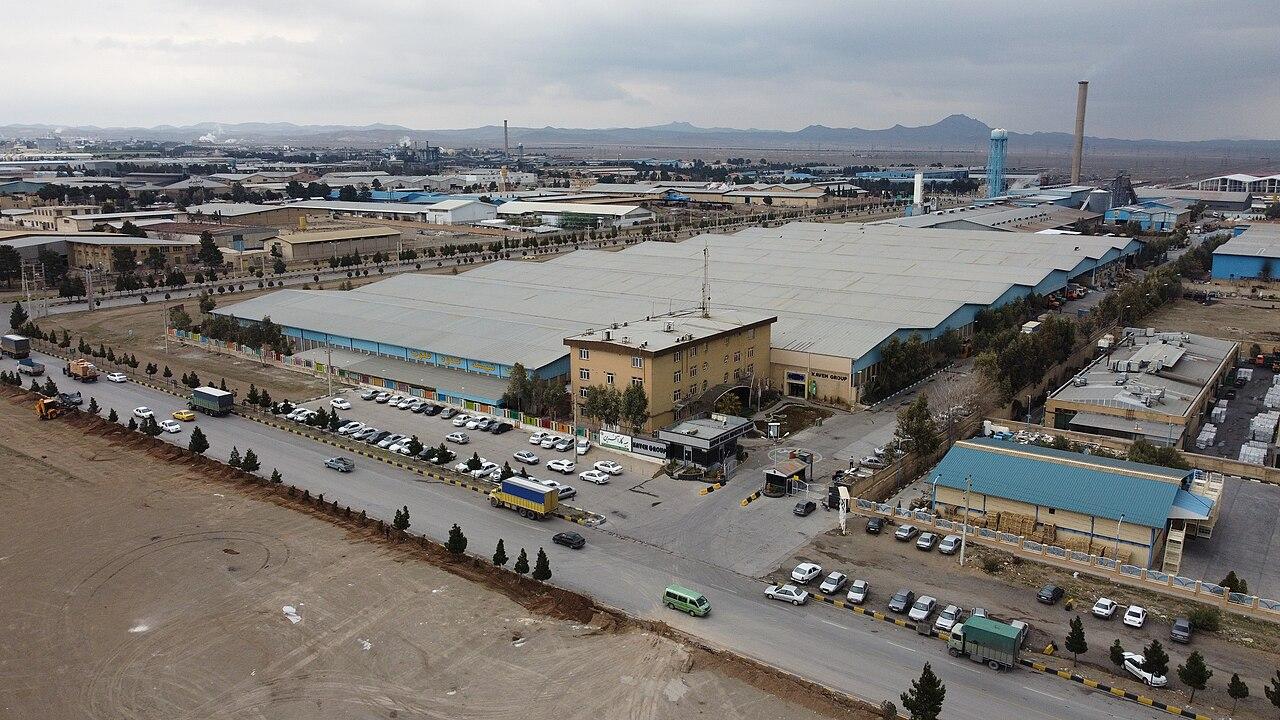
Seven months into contraction, Iran’s manufacturing sector is showing tentative signs of stabilization, but a meaningful recovery remains out of reach. The latest Purchasing Managers’ Index (PMI) suggests that while the Iran-US ceasefire has eased some of the disruptions caused by the recent conflict, the country’s factories continue to grapple with structural challenges, including foreign exchange constraints, high production costs, energy shortages and weak domestic demand. Together, these obstacles continue to prevent the industrial sector from regaining momentum.
The Manufacturing PMI stood at 45.3 in Ordibehesht 1405 (April 21–May 21), marking the seventh consecutive month below the neutral threshold of 50. Although the index improved from the historic low recorded in Farvardin 1405 (March 21–April 20), most of its key components remained in contraction territory, indicating that the recent improvement reflects normalization after wartime disruptions rather than the beginning of a broad-based recovery.
According to a report by the Iran Chamber of Commerce, the easing of military tensions has softened the immediate shock to industrial activity, but it has done little to resolve the structural constraints weighing on manufacturers. Limited access to foreign currency, supply-chain disruptions, liquidity shortages, rising production costs, energy imbalances and regulatory uncertainty continue to undermine production, investment and employment across the sector.
Bleak Outlook
The broader economy paints a similarly weak picture. Iran’s overall PMI fell to 42.3 in Ordibehesht, remaining below the 50-point threshold for the fourteenth consecutive month. While the pace of contraction has eased compared with the previous month, output, employment, new orders and inventories all continue to signal weak business conditions.
Production has recovered modestly from the severe disruptions recorded during the conflict. The production index climbed to 47.2, its highest reading in five months, yet it remained below the expansion threshold. Manufacturers continue to report difficulties securing imported raw materials because of foreign exchange shortages, import restrictions and disruptions to international supply chains, particularly through maritime trade routes.
Demand conditions also remain fragile. The index for new customer orders rose to 48, another five-month high, but continued to indicate declining demand. Businesses cite economic uncertainty, weaker household purchasing power and higher prices as the main factors discouraging new orders. As a result, many factories remain reluctant to expand production despite the gradual normalization of business activity following the ceasefire.
One of the few encouraging indicators was supplier delivery performance. The relevant index climbed above the 50-point threshold to 51.6, suggesting an improvement in the flow of raw materials. However, this largely reflects the fading of disruptions caused by wartime shutdowns rather than a full recovery of supply chains. Import restrictions, customs delays, banking constraints and trade-related bottlenecks continue to weigh on manufacturers.
Raw material inventories remain a major source of concern. The inventory index stood at just 36.3, one of the weakest readings since the survey began. Companies continue to report delays in foreign exchange allocation, lengthy import registration procedures and slow customs clearance, making it difficult to replenish production inputs. Although the recent memorandum of understanding between Iran and the United States has improved business sentiment, manufacturers have yet to see tangible improvements in access to imported materials.
Labor market conditions remain equally challenging. The employment index registered 38.7, marking the thirteenth consecutive month of contraction and remaining among the weakest readings recorded over the past eight years. Weak demand, high operating costs, liquidity shortages and persistent uncertainty have led many firms to freeze recruitment or reduce their workforce.
Cost Crunch
At the same time, inflationary pressures continue to intensify. The raw material price index surged to 92.4, its highest level in 67 months and the strongest reading since Aban 1399 (October 22–November 20, 2020). Exchange rate volatility, higher transportation costs, import restrictions and shortages of production inputs have significantly increased manufacturers’ costs, forcing many firms to devote substantially more working capital simply to maintain existing operations.
Manufacturers have responded by raising selling prices, with the output price index climbing to 78.1. Nevertheless, subdued demand has limited their ability to fully pass higher costs on to consumers, squeezing profit margins and reinforcing stagflationary pressures across the industrial sector.
Export performance has also remained weak. The export orders index stood at 41.5, reflecting continued challenges in overseas markets. Trade restrictions, higher logistics costs, foreign exchange constraints and lingering geopolitical uncertainty continue to undermine export competitiveness, limiting manufacturers' ability to offset sluggish domestic demand.
Fragile Confidence
Business sentiment has improved modestly, but optimism remains cautious. The index measuring expectations for production in the coming month rose to 48.5, yet remained below the neutral level. Most manufacturers believe that a sustained recovery will require more than geopolitical stability. They argue that structural reforms—including easier access to foreign currency, more efficient import procedures, greater regulatory predictability and improvements in energy infrastructure—will be essential to restoring industrial growth.
The latest PMI therefore suggests that Iran’s manufacturing sector has moved beyond the immediate shock of the recent conflict, but it has not yet entered a genuine recovery. The ceasefire has helped stabilize business conditions, yet factories continue to operate under the weight of long-standing structural constraints. Unless these bottlenecks are addressed through meaningful economic reforms, Iran’s industrial recovery is likely to remain slow, uneven and vulnerable to new shocks.