
The newly announced understanding between Iran and the United States has drawn attention primarily because of its political and security dimensions. For Iran’s economy, however, the most significant consequences are financial. Based on the published details of the understanding, Tehran stands to benefit from three major economic gains: the temporary suspension of US oil sanctions, access to part of its frozen assets abroad and potential participation in a $300 billion regional reconstruction fund.
Among these benefits, economists view the temporary easing of oil sanctions as the most important. Unlike frozen assets, which provide a one-time boost, higher oil exports can generate a continuous stream of foreign-currency revenues and improve economic stability over time.
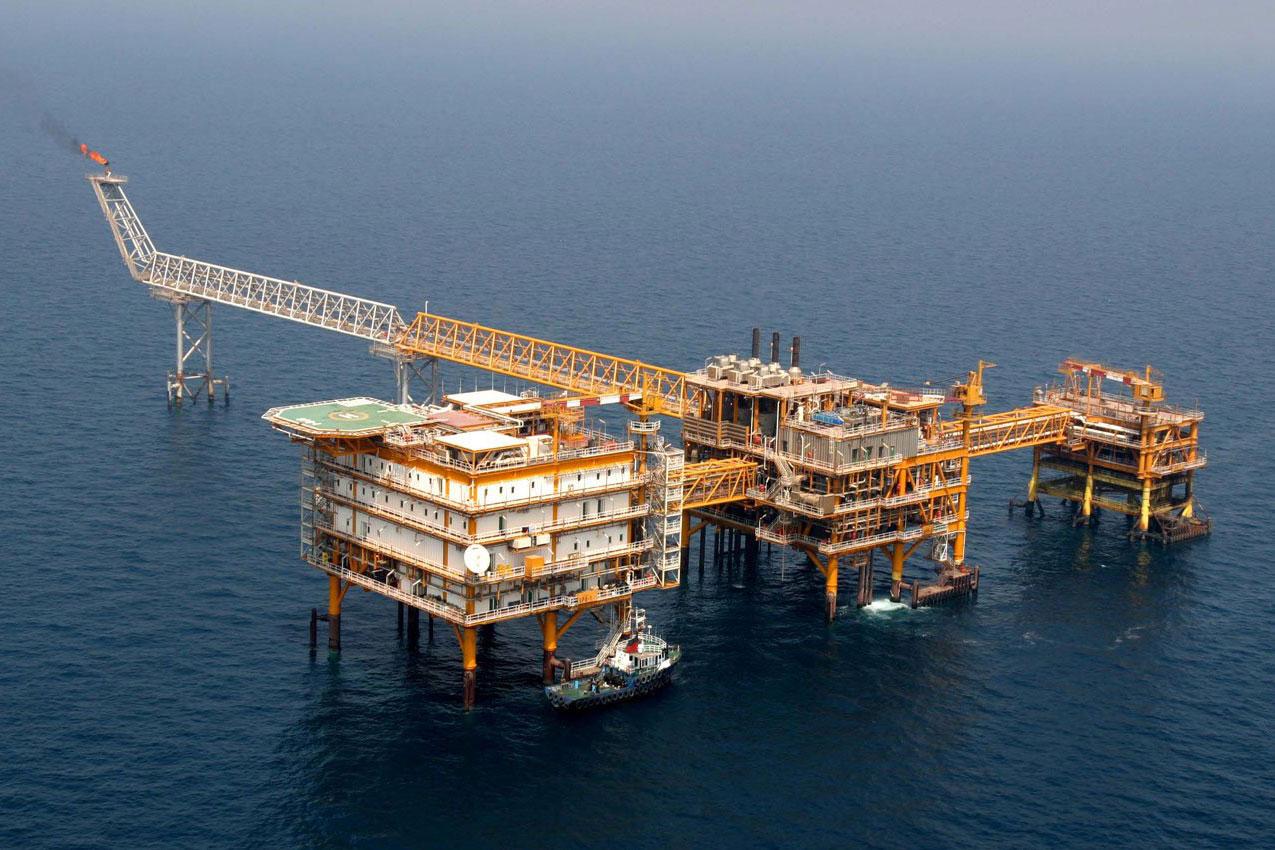
Iran’s economy has long depended on oil income. Before the reimposition of US sanctions following Washington’s withdrawal from the nuclear deal in 2018, the country exported more than 2.5 million barrels of crude oil per day. In some periods, combined exports of crude oil and condensates exceeded 2.8 million barrels daily. At an average oil price of $70 per barrel, such export levels could generate more than $60 billion in annual foreign-exchange earnings.
Although Iran managed to partially restore exports in recent years, sanctions continued to limit its ability to fully capitalize on global energy markets. International estimates suggest that oil exports recovered to roughly 1.5 million to 1.8 million barrels per day during 2023 and 2024, with China remaining the main destination. However, maintaining these exports required substantial discounts to buyers and the use of costly financial and shipping arrangements designed to circumvent sanctions.
The understanding includes a temporary suspension of US oil sanctions. If implemented successfully, Iran could increase exports beyond the approximately 1.8 million barrels per day recorded before the recent conflict and potentially move above the 2-million-barrel threshold. More importantly, Tehran could reduce the discounts and extra costs associated with sanctions evasion. This means oil revenues could rise even if export volumes increase only moderately.
The Most Durable Benefit
For this reason, many analysts see oil sanctions relief as the most durable economic benefit of the understanding. While the suspension is temporary, it would provide a stronger and more sustainable source of foreign currency than any one-off financial transfer.
The second major financial gain involves access to frozen Iranian assets held abroad. Iranian officials have often stated that more than $100 billion remains inaccessible because of sanctions, although independent estimates tend to be lower.
Under the understanding, approximately $24 billion in frozen Iranian assets would be released gradually. These funds largely originate from previous oil and gas sales that became trapped overseas because of restrictions on international financial transactions. Rather than being transferred directly to Iran as unrestricted cash, the resources are expected to be used for the purchase of approved goods and services, with Qatar serving as an intermediary.
Even under these limitations, access to part of the frozen assets could support economic stability. Additional foreign-exchange resources would help finance imports, ease pressure on the currency market and strengthen the central bank’s ability to manage exchange-rate volatility.
One of the most prominent cases involves around $6 billion in Iranian funds that were previously held in South Korea and later transferred to accounts in Qatar. The understanding is expected to facilitate access to these resources. It also envisages a new $6 billion Qatari credit line that could help finance imports, industrial equipment purchases and infrastructure projects.
The third financial gain is Iran’s participation in a proposed $300 billion regional reconstruction fund. This component remains contingent on a broader and more comprehensive agreement, as well as a sustained reduction in regional tensions.
If such a framework is ultimately established, Iranian companies could gain access to reconstruction projects in sectors such as energy, transportation, construction and engineering services. In the short term, the proposal is likely to improve business sentiment and investor confidence. In the longer term, it could create new export opportunities and support employment and investment growth.
Brighter Prospects
Taken together, the three financial gains could improve Iran’s economic outlook by increasing foreign-exchange earnings, facilitating imports and creating new business opportunities. Yet the ranking of benefits remains clear. Frozen assets can provide temporary relief and reconstruction projects may offer future opportunities, but oil sanctions relief remains the most valuable economic element of the understanding because it directly affects the country’s capacity to generate foreign-currency revenues. If implemented successfully, it could strengthen reserves, reduce pressure on the rial and improve the prospects for economic growth in the years ahead.