
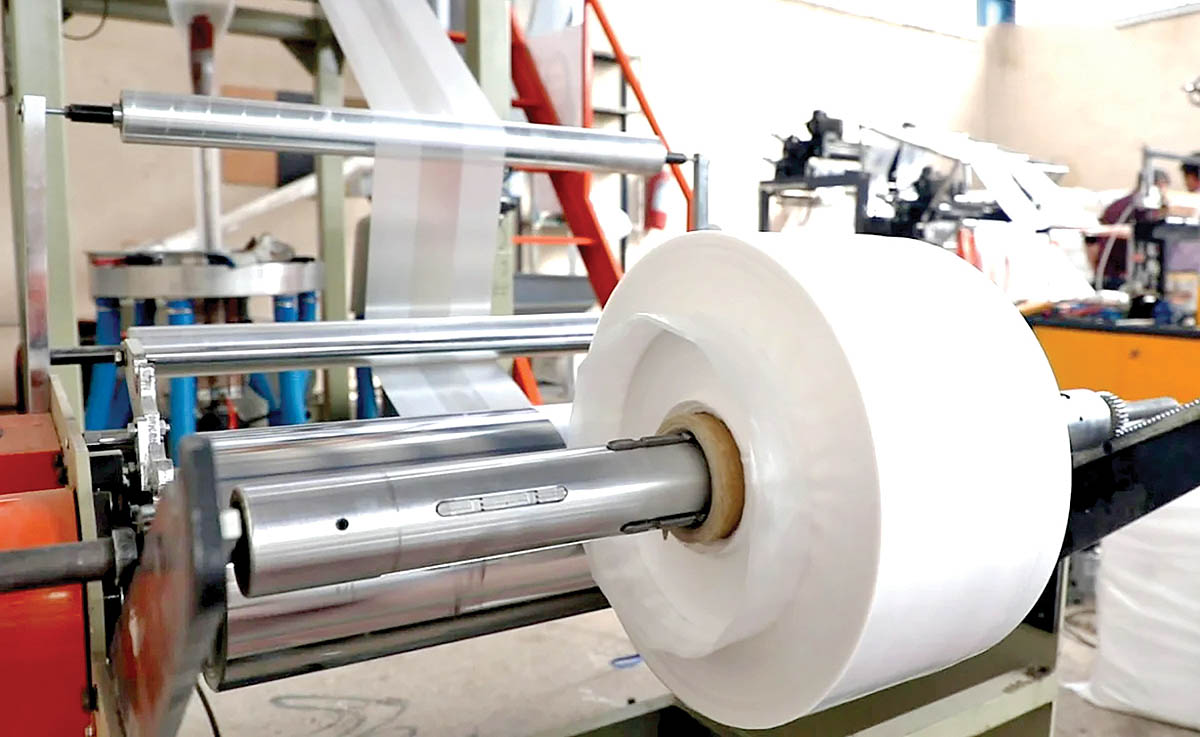
Iran’s polymer market is grappling with one of its most significant disruptions in recent years following damage to parts of the country’s petrochemical infrastructure during the recent conflict. Although widespread shortages have so far been avoided, reduced production capacity, supply constraints in key polymer grades and rising global prices have triggered a sharp increase in raw material costs, creating fresh challenges for thousands of downstream manufacturers.
The impact has been felt across industries ranging from plastic packaging and household goods to food processing and consumer products. As petrochemical plants struggle to restore full operations, manufacturers are facing a new reality in which securing raw materials has become more difficult and production costs are steadily rising.
The shock originated not in retail markets but at the upstream end of the industrial chain. Iran’s plastics industry relies heavily on a continuous flow of petrochemical feedstocks such as polyethylene, polypropylene and polyethylene terephthalate (PET). Any disruption in the production of these materials quickly spreads throughout the manufacturing sector because most downstream producers maintain only limited inventories and depend on regular market supplies.
As a result, even partial disruptions in petrochemical facilities and utility infrastructure have intensified competition for available materials and pushed prices sharply higher.
Key Factor
However, industry experts argue that the recent surge in prices cannot be explained solely by supply shortages.
Mohammadreza Shiri, a senior gas and petrochemical industry analyst, told Donya-e-Eqtesad newspaper that a substantial portion of the price increase reflects the return of domestic pricing mechanisms to normal conditions after months of temporary controls.
“Part of the tension we see today is related to supply constraints in certain products, but a much larger factor is the restoration of normal pricing formulas and the reflection of global market realities,” he said.
According to Shiri, many petrochemical products had been priced domestically using older benchmarks despite rising international prices. Once the temporary pricing arrangement expired, domestic rates were recalculated using standard formulas based on global prices and exchange rates, leading to an abrupt adjustment.
“In some grades, prices have risen by more than 100%,” he noted. “What we are witnessing is not entirely a new price shock. In many cases, it is the release of increases that had accumulated over previous months but had not yet been reflected in the market.”
Shiri estimates that some production units in the Mahshahr petrochemical hub and related infrastructure will gradually return to operation within the next three months. However, the complete restoration of damaged facilities may take between one and two years.
Despite these challenges, industry representatives believe the supply situation could improve considerably before the end of summer.
Hossein Dor, head of the Union of Downstream Petrochemical Industries, said the most pressing issue remains the temporary loss of production capacity rather than structural shortages.
“The recent increase in base prices largely reflects the end of the price stabilization period,” he said. “The main challenge now is reduced supply in some polymer grades due to lower production levels.”
Dor believes that proper supply management and prioritization of domestic demand can help meet most market needs. He also emphasized the importance of imports for products with limited substitutes.
“Some specialized grades play a critical role in the market, and alternatives are not always available,” he explained. “Imports, alongside efficient allocation of domestic production, will be essential for navigating current conditions.”
He expects many supply bottlenecks to ease by late summer, with some product categories potentially seeing improvements even earlier.
Import procedures, however, remain a significant obstacle. Dor pointed to registration delays, changing regulations and administrative uncertainties as factors complicating efforts to secure foreign supplies. He suggested that import permits should be allocated based on manufacturers’ historical purchasing records to ensure that genuine producers receive priority access to materials.
Psychological Pressure
Global developments have also contributed to market pressures.
Mehdi Feyz, a petrochemical market expert, said concerns over regional trade routes, particularly the Strait of Hormuz, initially triggered a strong reaction in international polymer markets.
“The conflict created an immediate supply shock and pushed prices higher across regional markets,” he said. “Although some of the psychological pressure has eased, prices remain well above last year’s levels.”
According to Feyz, polyethylene prices in China have climbed to around $1,300 per ton, among the highest levels seen in the past four years. Prices have increased by roughly 40-45% since the beginning of the year. Polypropylene and other major polymer products have followed a similar trend.
While prices have retreated modestly from their post-conflict peaks, they remain substantially higher than a year ago. Feyz believes the supply shock will continue to influence markets for months, even if regional tensions ease further.
For Iran’s polymer industry, the coming months will be defined by the speed of infrastructure repairs, the effectiveness of supply management policies and the ability of manufacturers to adapt to higher costs. The immediate crisis may prove temporary, but its economic consequences are likely to linger throughout the broader industrial supply chain long after production resumes.