
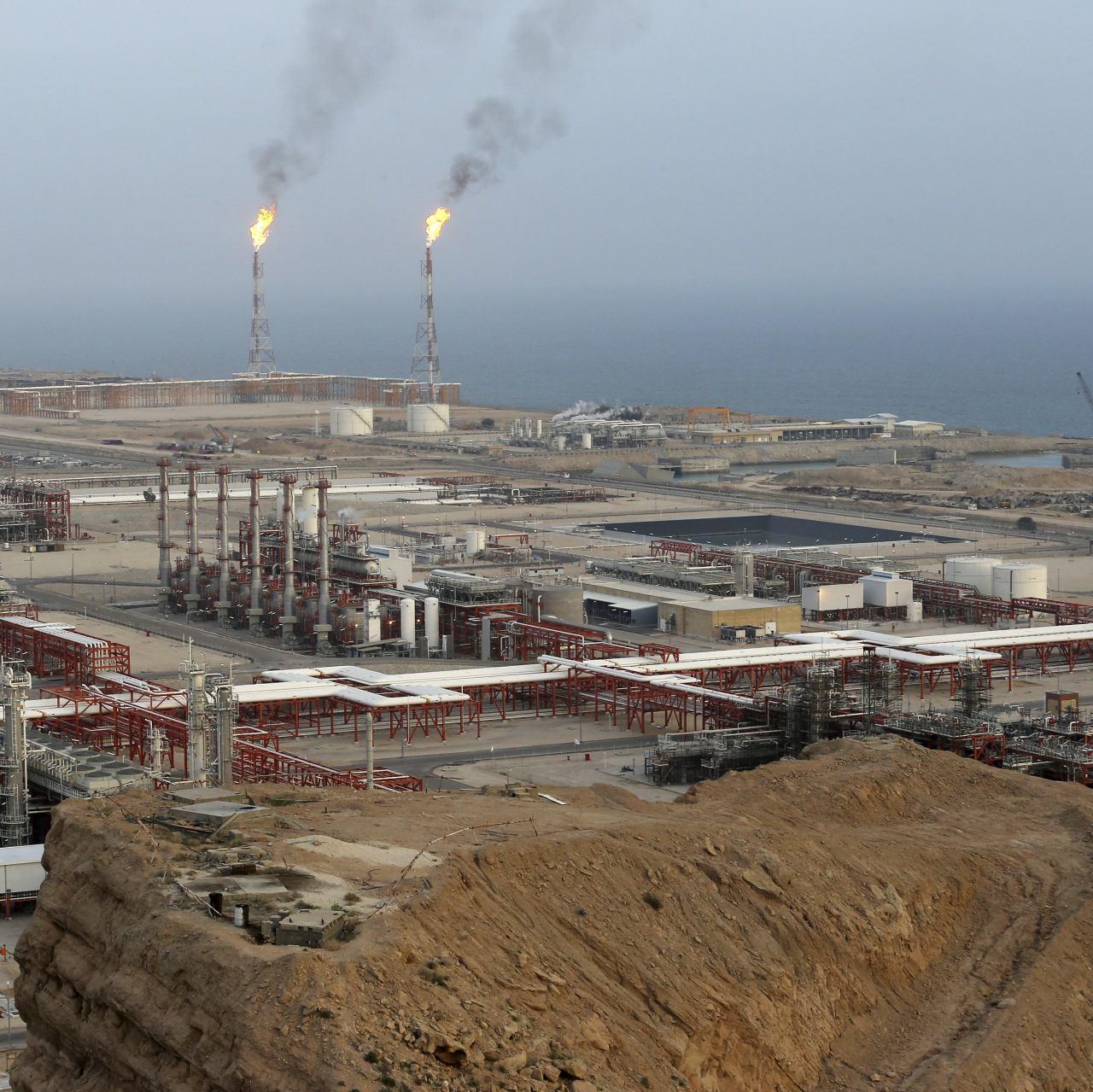
In the sweltering heat of the Persian Gulf, where summer temperatures soar and the air hangs heavy with humidity, a different kind of heat is being generated—the heat of relentless effort, precision engineering, and national determination.
The annual overhaul of South Pars platforms is underway, and this year, the stakes have never been higher.
Behind the technical jargon and operational schedules lies a simple, urgent reality: over 70% of Iran's gas comes from this massive offshore field. When winter arrives and temperatures plummet across the country, millions of homes, hospitals, schools, and factories will depend on the gas that flows through these platforms. If they falter, the consequences ripple far beyond the energy sector.
A Mission With Two Fronts
Alireza Sarmadi, Production and Operations Manager at Pars Oil and Gas Company, which is in charge of developing the gas field, doesn't hide the magnitude of the task. Speaking about this year's overhaul program, he describes it as a mission with two simultaneous fronts.
"On one side, we must maintain stable gas production to meet national grid demand," he explains. "On the other, we need to prepare all production platforms for maximum operational readiness in the cold season."
It's a delicate balancing act. The platforms cannot simply be shut down for extended periods—not when the country is counting on every cubic meter of gas. The overhaul schedule has been compressed, redesigned to minimize downtime while ensuring that every bolt, pipe, and valve is checked, repaired, and certified.
The numbers are impressive. Twenty platforms are scheduled for maintenance, with work beginning in early April and set to conclude by mid-September. Several platforms have already completed their overhauls successfully. The rest are proceeding according to plan, with teams conducting technical inspections, repairing rotating equipment, testing safety systems, calibrating instruments, and ensuring that every component meets the highest standards.
Overcoming the Odds
The challenges this year are formidable. Damage to several domestic gas refineries during recent conflicts has made the task even more urgent. With limited processing capacity, there is no room for error—every platform must operate at peak efficiency.
Logistical hurdles add to the complexity. Helicopter flights—the lifeblood of offshore operations—have faced restrictions, making the movement of personnel and equipment more difficult. The unpredictable weather of the Persian Gulf can delay operations at a moment's notice.
Yet, despite these obstacles, the work continues. Sarmadi credits the success to precise planning, coordinated management, and the dedication of the workforce. "Through it all," he says, "the overhaul has progressed according to schedule without significant disruption to production."
Another critical factor has been the supply of parts and strategic equipment. In a time of sanctions and conflict, sourcing components could have been a nightmare. Instead, the company has relied on domestic technical expertise, Iranian manufacturers, and robust supply chain management to keep the program on track.
The Human Element
Behind every platform, every valve, and every safety test, there are people. Engineers who have spent years mastering their craft. Technicians who work in challenging offshore conditions, away from their families for weeks at a time. Managers who coordinate complex operations across multiple sites.
This is their moment. Their preparation, their skill, and their commitment will determine whether Iranian homes stay warm this winter.
Sarmadi knows this well. He speaks not just as a manager, but as someone who understands the weight of the responsibility. "All technical, operational, and management capacities are being deployed," he says. "To sustain production, enhance facility reliability, and maximize platform readiness for the challenging winter ahead."
A Team Effort
The overhaul is only one part of a larger national effort. The Oil Ministry, the National Iranian Oil Company, and the National Gas Company are all working in coordination to restore damaged refineries. Part of their capacity has already returned to operation, though full recovery will take time.
In the meantime, Sarmadi emphasizes that energy security is not just about production—it's also about consumption. "Consumer cooperation in managing usage is essential for navigating the winter season successfully," he reminds.
It's a message that resonates. When everyone—producers and consumers alike—works together, the system holds. When they don't, everyone feels the chill.
Looking Ahead
South Pars has been producing gas for decades. It has weathered wars, sanctions, and technical challenges. Yet each year, the people who keep it running find new ways to improve, adapt, and overcome.
This year's overhaul is a testament to that spirit. It is the most complex, the most compressed, and perhaps the most critical in the field's history. But the teams on the ground are rising to the challenge.
As the work continues through the summer heat, there is a quiet confidence. The platforms will be ready. The gas will flow. And when winter arrives, Iran's homes will stay warm—thanks to the engineers, technicians, and managers who refused to let the lights go out.