
When officials from Iran, Afghanistan, and Tajikistan gathered in Mashhad to sign a transit protocol, they set in motion a new chapter in regional economic cooperation.
The July 15 agreement represents a significant milestone in Iran's efforts to expand its trade network and diversify its export routes.
Seyyed Mohammad Sadegh Qanadzadeh, Deputy of Commercial Services at Iran's Trade Promotion Organization, expressed great optimism about the deal. Speaking after the signing, he described it as a transformative step for regional commerce—one that will slash transport costs, open new export markets, and give Iran's non-oil sector the competitive advantage it deserves.
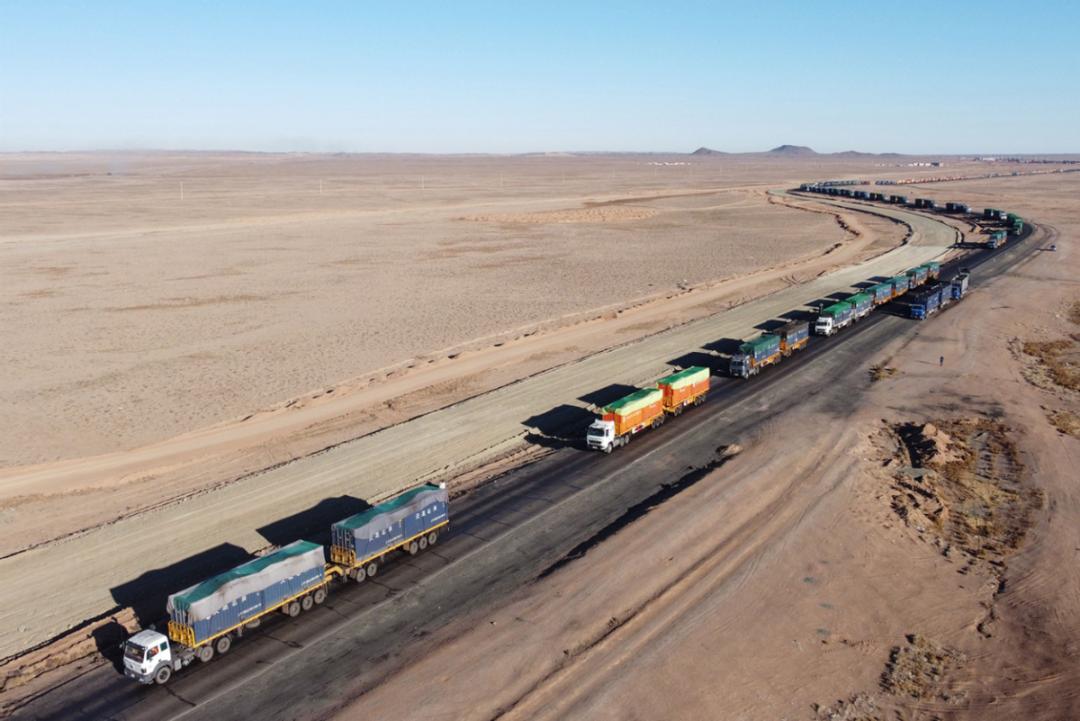
The agreement creates a seamless transport corridor linking Central Asia, South Asia, and the Persian Gulf. For Iran, the northern route through Afghanistan and into Tajikistan offers a vital new pathway for goods, complementing existing routes and enhancing the country's trade resilience.
More Than a Piece of Paper
Qanadzadeh emphasized that the protocol goes far beyond moving trucks across borders. Its real value lies in unlocking shared economic potential. Tajikistan, with its growing demand for Iranian goods and services, represents a promising new market. Afghanistan, as the crucial bridge between Central and South Asia, holds an indispensable position for Iran's transit ambitions.
"Strengthening transport links among the three countries," Qanadzadeh said, "can help increase trade exchanges, develop regional value chains, and enhance Iran's role in the international transit network."
The official highlighted the importance of continued coordination among all parties to ensure smooth implementation. With collective commitment, the necessary infrastructure and procedures will be put in place to realize the full potential of this agreement.
Private Sector at the Heart of the Plan
One of the most encouraging aspects of Qanadzadeh's remarks was his emphasis on private sector participation. Iranian exporters are poised to benefit greatly from improved transit routes, and the government is committed to creating the right conditions for their success.
The TPO official confirmed that removing customs barriers, developing transport services, and creating platforms for private investment are all integral parts of the plan. By fostering a more business-friendly environment, Iran is paving the way for its exporters to compete effectively in regional markets.
A Strategic Opening for Growth
For Iran's non-oil exporters, the opportunities are substantial. Engineering and technical services—one of the country's most competitive export sectors—can now find new opportunities in Tajikistan's growing economy. Joint production ventures can use Iran's industrial base to serve markets as far away as India, opening exciting possibilities for economic collaboration.
The signing ceremony in Mashhad sent a clear signal: Iran is strategically positioning itself as a key player in regional trade. This corridor has the potential to become a vital economic lifeline, strengthening ties between nations and creating prosperity for all involved.
A Promising Step Forward
This agreement comes at an opportune moment, when Iran is actively expanding its economic partnerships across the region. It involves three countries that share a common vision for cooperation and mutual benefit. With the backing of dedicated officials and the private sector, this initiative is well-positioned for success.
Qanadzadeh put it plainly: "Achieving these goals can pave the way for sustainable trade growth, increased economic interactions, and greater utilization of regional capacities."
The path forward is clear, and the commitment to making this corridor a success is strong. Iranian exporters are ready to seize the opportunities ahead, and the government is fully prepared to support them every step of the way.
This agreement marks the beginning of an exciting new era for regional trade—one that promises growth, collaboration, and prosperity for Iran and its partners.