
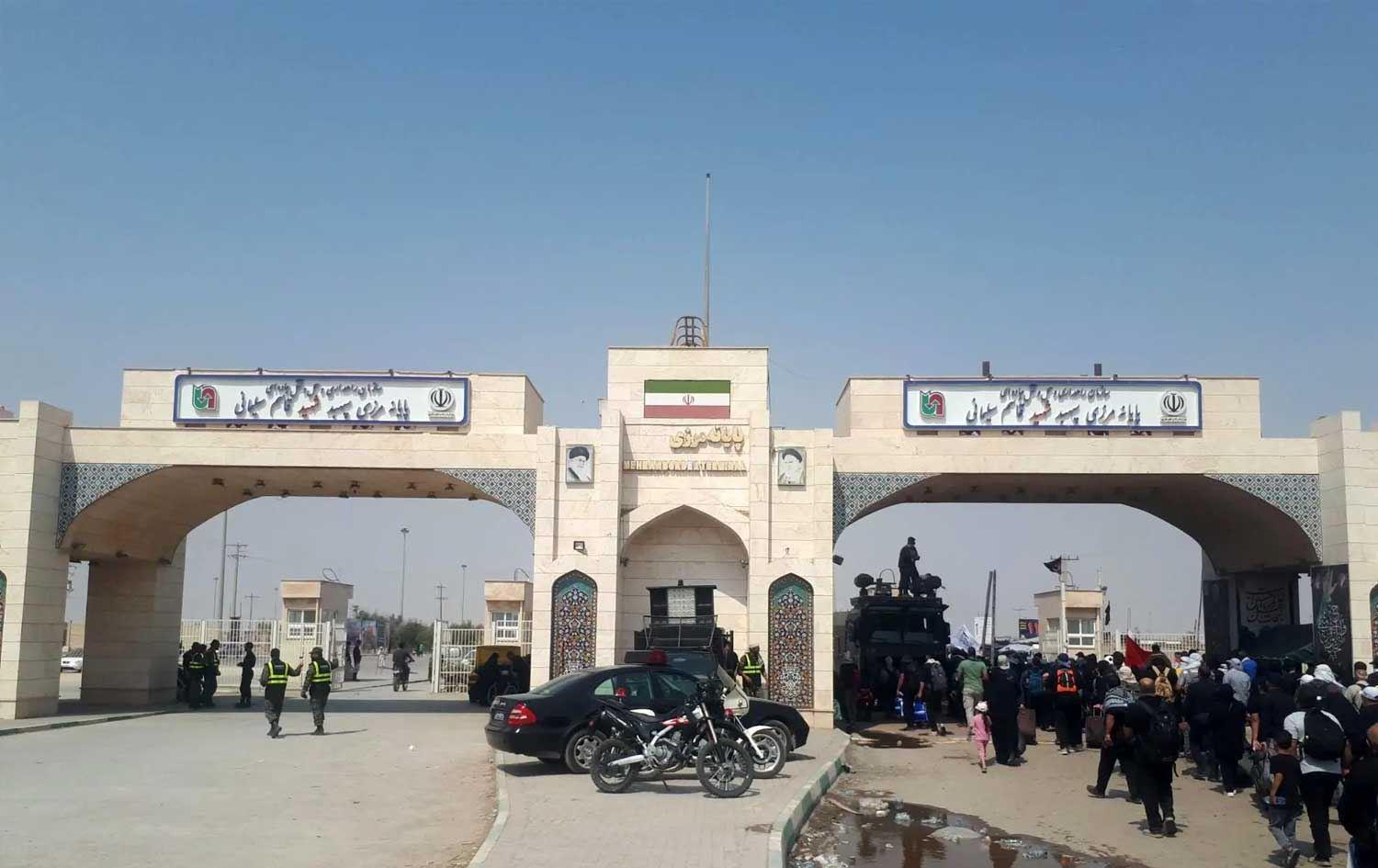
Three decades into Iran's free-zone experiment, the newly constituted board of the Mehran Free Zone is making a calculated bet: that proximity to Iraq is no longer enough. In a recent interview, board member Ali-Asghar Allameh delivered a sobering assessment—past performance has fallen short, and the time to rethink the zone's mission is long overdue.
For investors and market analysts, the takeaway is clear. Mehran's future hinges not on its location on the border, but on whether the administration can deliver what Iranian industrial zones have historically struggled with: policy predictability, transparent governance and investor-grade infrastructure.
Value-Chain Imperative
Allameh explicitly acknowledged that commercial transit alone generates limited economic returns. The real prize lies in processing, packaging, logistics and joint production ventures with Iraqi partners. With Iraq rapidly shifting from a passive consumer market to a reconstruction-driven economy—absorbing billions of dollars in infrastructure spending—Mehran's window of opportunity is narrowing.
The stated priority sectors—food processing, wood and furniture, downstream petrochemicals, IT, and technical and engineering services—align with Iraq's actual import and reconstruction needs. However, the board's success will be measured by whether these sectors attract genuine private capital, not just state-linked enterprises. Allameh rightly pointed out that SMEs are the real engines of job creation and innovation, yet they require streamlined bureaucracy—an area where Iran's free zones have often underperformed.
Perhaps the most significant admission in Allameh's remarks was that "geography does not create competitive advantage"—management does. For a business audience, this translates into a direct challenge: Can Mehran offer faster customs clearance, digital services, effective legal recourse for disputes, and stable tax and tariff regimes?
Without these, the free zone risks becoming another symbolic border project rather than an operational gateway. Allameh's emphasis on "agile, transparent and accountable management" implicitly acknowledges that previous free zones have fallen short precisely in these areas.
Provincial Linkage Challenge
One notable strategic element is the insistence on tying Mehran's development to Ilam province's agricultural, academic and industrial capacities. This is a double-edged sword. On one hand, it encourages local participation and strengthens supply-chain resilience. On the other, it requires unprecedented coordination between national free-zone authorities and provincial stakeholders—a process that has historically been slow and bureaucratic.
The board was appointed only in late 2025, and the comprehensive development plan received approval just months ago. As a result, the zone is effectively starting from a low base. For institutional investors, the next 12 to 18 months will be critical in determining whether infrastructure development proceeds on schedule, customs and banking systems integrate effectively with Iraqi counterparts, and the promised legal stability survives political changes in either Iran or Iraq.
Final Take for Market Watchers
Mehran's vision is ambitious but ultimately depends on execution—an area where Iran's free zones have repeatedly struggled. If Allameh's vision translates into measurable deregulation, digital transformation and genuine private-sector partnerships, the zone could become western Iran's economic bridge to Iraq's more than $200 billion economy. If not, it will remain little more than another border crossing with a new signboard.
For now, the market is watching—not the map, but the management.