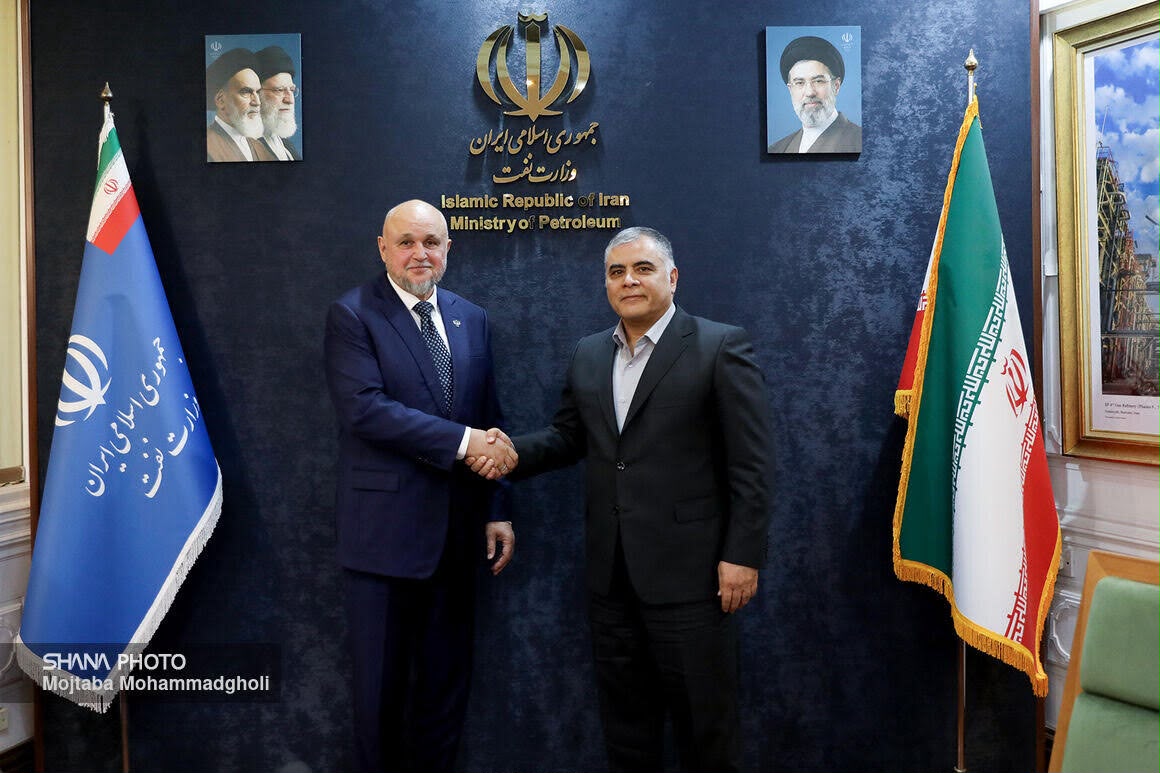
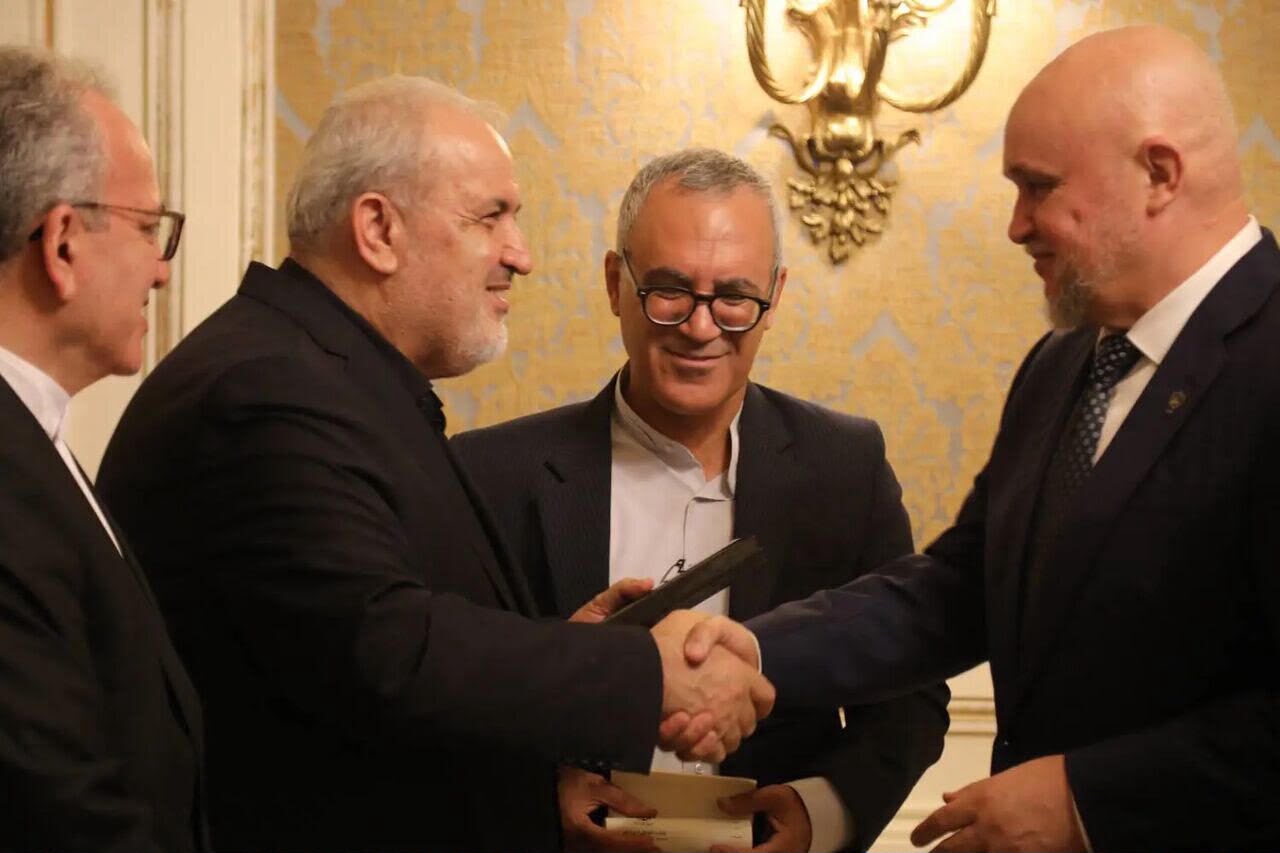
In a significant development for bilateral energy relations, Iranian and Russian energy ministers have agreed to fast-track the removal of obstacles hindering energy cooperation between the two countries, while also reporting substantial progress on a landmark gas trade agreement.
During meetings held Monday in Tehran, Iran's Oil Minister Mohsen Paknejad and Russia's Energy Minister Sergei Tsililyov reviewed the implementation of 146 clauses agreed upon during the 19th Joint Economic Cooperation Committee session held in February. The two sides reached important decisions on outstanding issues and committed to resolving all questions facing companies from both countries in the shortest possible time.
"We hold regular meetings with Iran's Oil Minister, and very positive working relations exist between the two countries," Tsililyov stated, adding that they hope Paknejad will travel to Moscow soon to accelerate the cooperation process.
In a parallel development, Iran's Energy Minister Abbas Aliabadi and Tsililyov also held talks focusing on electricity cooperation, reviewing the implementation of a roadmap for technical and scientific cooperation. Key discussion points included grid connection via the Republic of Azerbaijan, technology transfer for gas turbines, localization of parts production, implementation of 765 kV transmission lines, and smartening of the electricity grid.
The ministers emphasized the importance of the joint Sirik power plant project, deciding that cooperation between the responsible companies should continue with government support. They also agreed to form a joint working group with private sector participation to accelerate implementation of strategic projects.
On the gas trade front, Paknejad announced that agreement has been reached on the main clauses of the final contract between the two countries. "Only two clauses remain that require supplementary negotiations, which we hope will be finalized in the near future," he stated.
Regarding recent damage to Russian energy infrastructure, Tsililyov acknowledged that refining facilities had been targeted contrary to international conventions but expressed confidence that domestic capabilities would meet the market's gasoline needs. Despite recent challenges, both sides expressed satisfaction with the overall cooperation process and the activities of companies from both countries.