
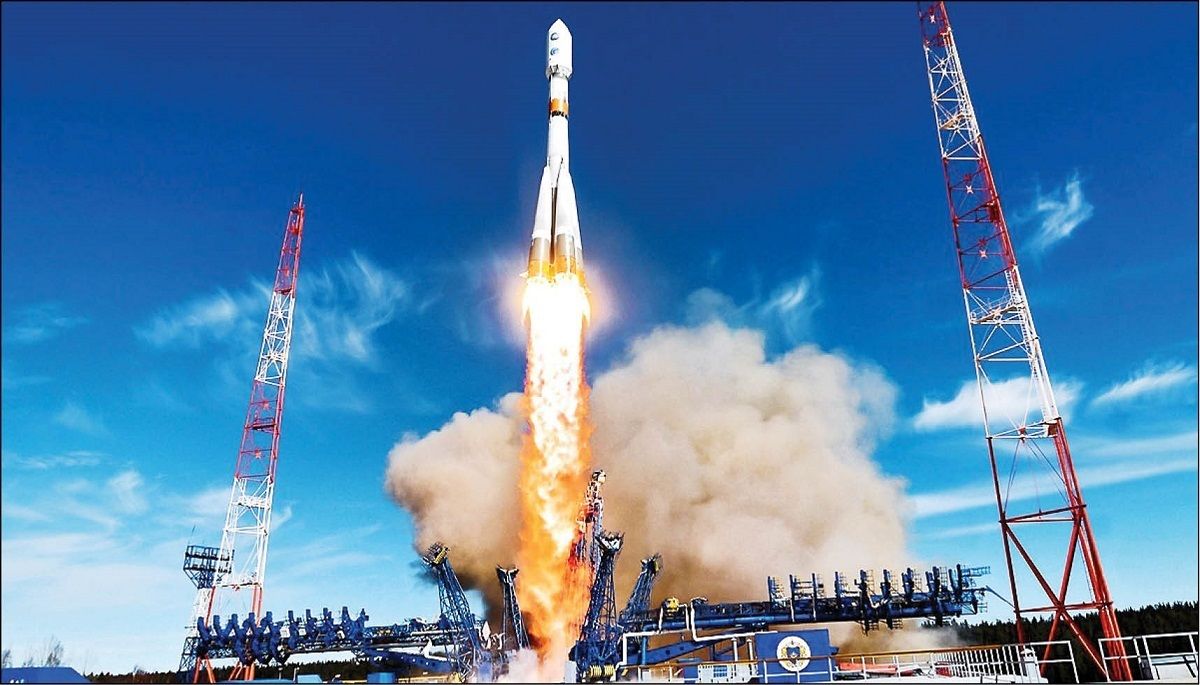
Iran is set to simultaneously launch three satellites into low Earth orbit (LEO) aboard a Russian rocket from the Vostochny Cosmodrome in Russia’s Far East on December 27.
One of the three satellites is Tolou 3, Also known as Paya, this is Iran’s heaviest domestically built satellite to date, weighing about 150 kilograms. Designed for Earth observation, it offers imaging resolutions of about 5 meters in black-and-white and 10 meters in color. Built by Iran Electronics Industries in collaboration with local knowledge-based companies, Tolou 3 is intended for applications in agriculture, water resource management, disaster monitoring, and environmental mapping.
Zafar 2, the other satellite to be launched into orbit, is an advanced Earth observation satellite developed by Iran University of Science and Technology. It is designed to monitor natural resources, agricultural lands, and environmental changes, while also supporting disaster risk management and general mapping.
The other satellite, Kosar 1.5, is a hybrid model combining missions of earlier Kosar 1 and Hodhod 1 satellites. It integrates imaging with Internet of Things (IoT) applications. Its primary mission is agricultural monitoring, enabling smart farming practices through satellite data and IoT connectivity.
This is not the first time Iranian satellites are launched from Russian soil. In July 2025, Russia’s Soyuz rocket carried Iran’s Nahid 2 communications satellite into orbit from the Vostochny Cosmodrome. Nahid 2, weighing 110 kilograms, was designed and manufactured by Iranian engineers and marked another step in Iran’s aerospace ambitions.