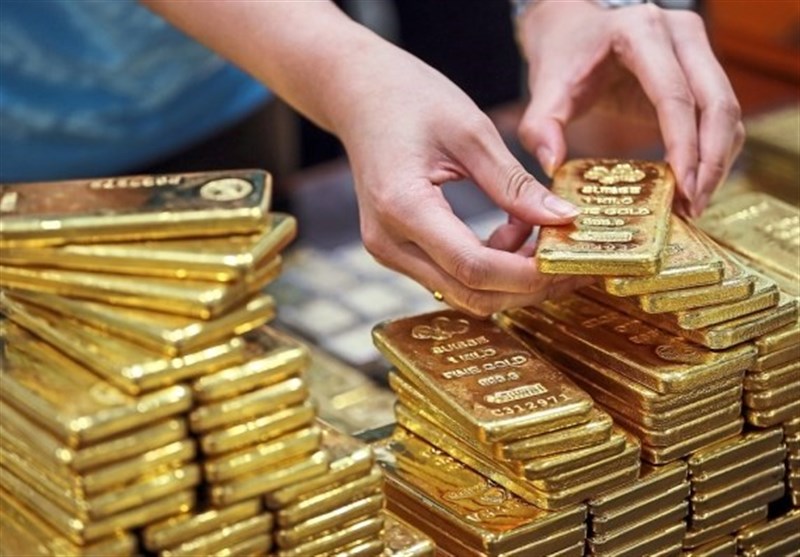
Iran’s gold-backed funds have emerged as a primary refuge for small investors, recording a remarkable surge in activity this year.
Data from the Iranian capital market shows that the average daily trading value of gold funds since the start of the Iranian year 1404 (March 2025–March 2026) has reached 54,000 billion rials ($457 million)—a jump of over 220% compared with last year’s 16,900 billion rials ($143 million).
Analysts attribute this sharp growth to three main factors. First, the significant rise in the US dollar exchange rate over the past year has amplified the rial value of gold-linked assets, even without changes in trading volumes. Second, strong fund performance last year boosted investor confidence, attracting retail participants seeking both medium- and long-term preservation of capital. Third, the launch of new gold funds has broadened access, allowing investors unable to engage directly in physical gold markets to participate safely and efficiently.
Intensified Momentum
The momentum intensified in autumn, with average daily trading values peaking at 75,800 billion rials ($643 million).
Economic uncertainty, exchange rate volatility, and geopolitical risks have further heightened investor demand for gold exposure.
Unlike physical gold or coins, gold funds offer low-cost, secure, and rapid trading, appealing especially during turbulent periods. Algorithmic trading has also increased, improving price discovery and market efficiency.
From the start of the current Iranian year, 580 trillion rials ($4.91 billion) of retail capital flowed into gold funds, underscoring their role as both a safe-haven asset and a stabilizing mechanism for the gold market.
By absorbing fragmented retail liquidity, funds have mitigated the volatility that might otherwise plague physical gold trading.
Currently, 29 gold funds operate on the Iranian Commodity Exchange, primarily investing in coin and bullion certificates. Their pricing is closely aligned with market gold fluctuations, enhancing transparency and reducing speculative distortions.
The ongoing expansion, coupled with rising investor participation and fund proliferation, signals that gold funds are cementing their position as a key vehicle for indirect investment in Iran.
While exchange rate shifts have amplified trading values in rial terms, gold funds increasingly function as an essential tool for wealth preservation, market stability, and long-term retail engagement. Their growing footprint suggests that they will remain central to Iran’s investment landscape in the years ahead.